
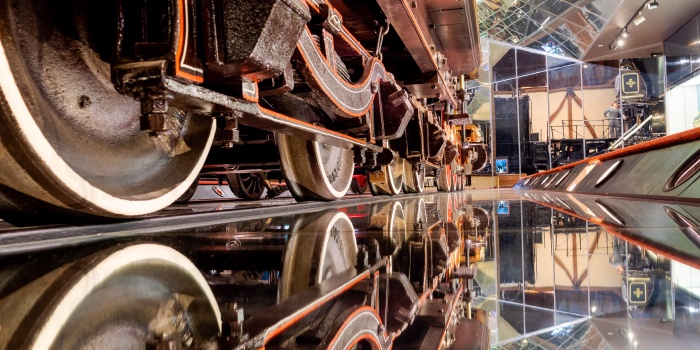
Sacramento
We set off from San Francisco towards Sacramento—and frankly, we probably shouldn’t have.
ℹ️ Note
A brief lyrical aside/disclaimer. This text—like all others in this series, along with the accompanying photographs—is a reflection of my personal experience, shaped by specific temporal, weather-related, socio-cultural, political and other conditions. It is entirely subjective, and therefore completely truthful. This is not a recommendation, nor an attempt to compile a ranking or travel guide. If something didn’t appeal to me, it doesn’t mean you should avoid it too. Your mileage may vary.
Our trusty assistant and future overlord ChatGPT included Sacramento in its list of recommended stops on the road from San Francisco to Seattle. Natasha, meanwhile, read somewhere online that it’s “California’s hidden gem.” Well, some shells are better left unopened.
Sacramento is the capital of California. Its main thoroughfare — Capitol Mall — runs from “Old Sacramento” (more on that later) in the west to the California State Capitol in the east. Along it, and on a few creatively named streets to the north (J Street, K Street, L Street, and so on), you’ll find the buildings of the state’s government institutions. The pavements, however, are lined with tent encampments of the homeless. As far as I understand, on private land (say, the lawn outside an office building), the owner can ask someone to leave. Public land, however, belongs to the state, and unless there’s a special regime in place, any citizen is free to be there.
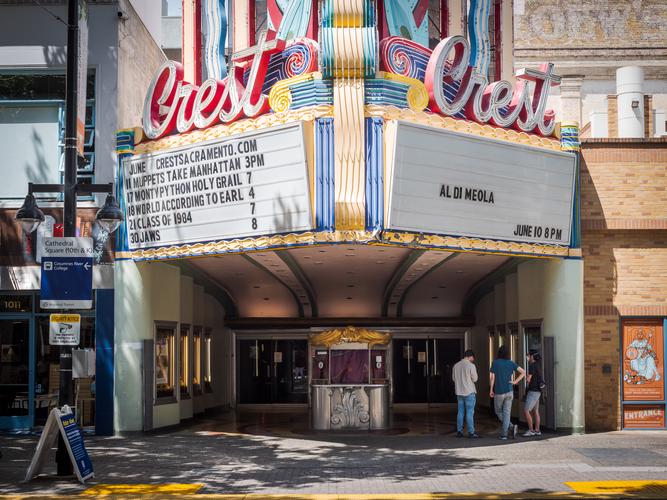
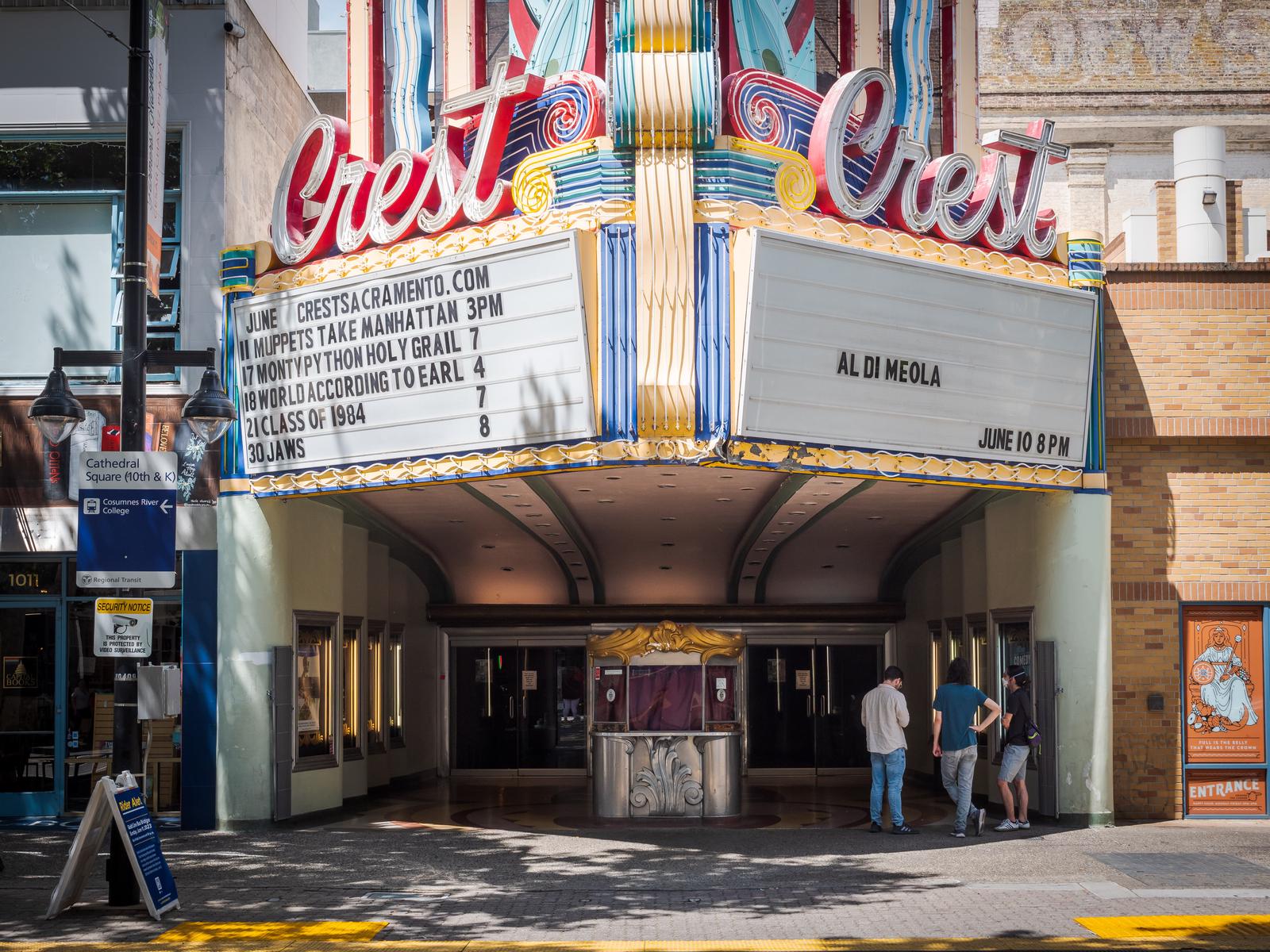
Al Di Meola still performing 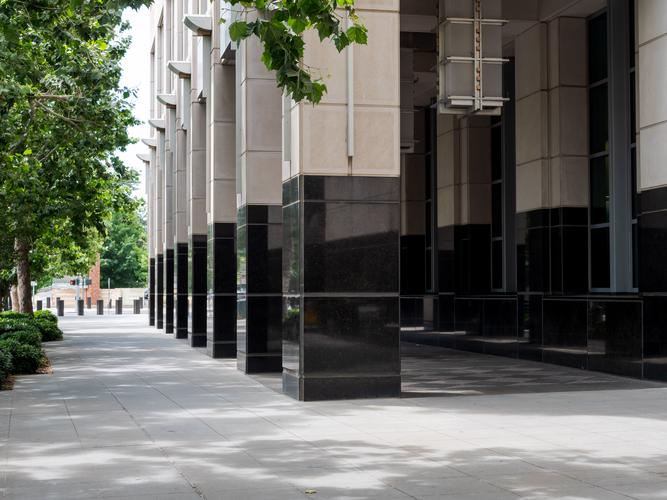
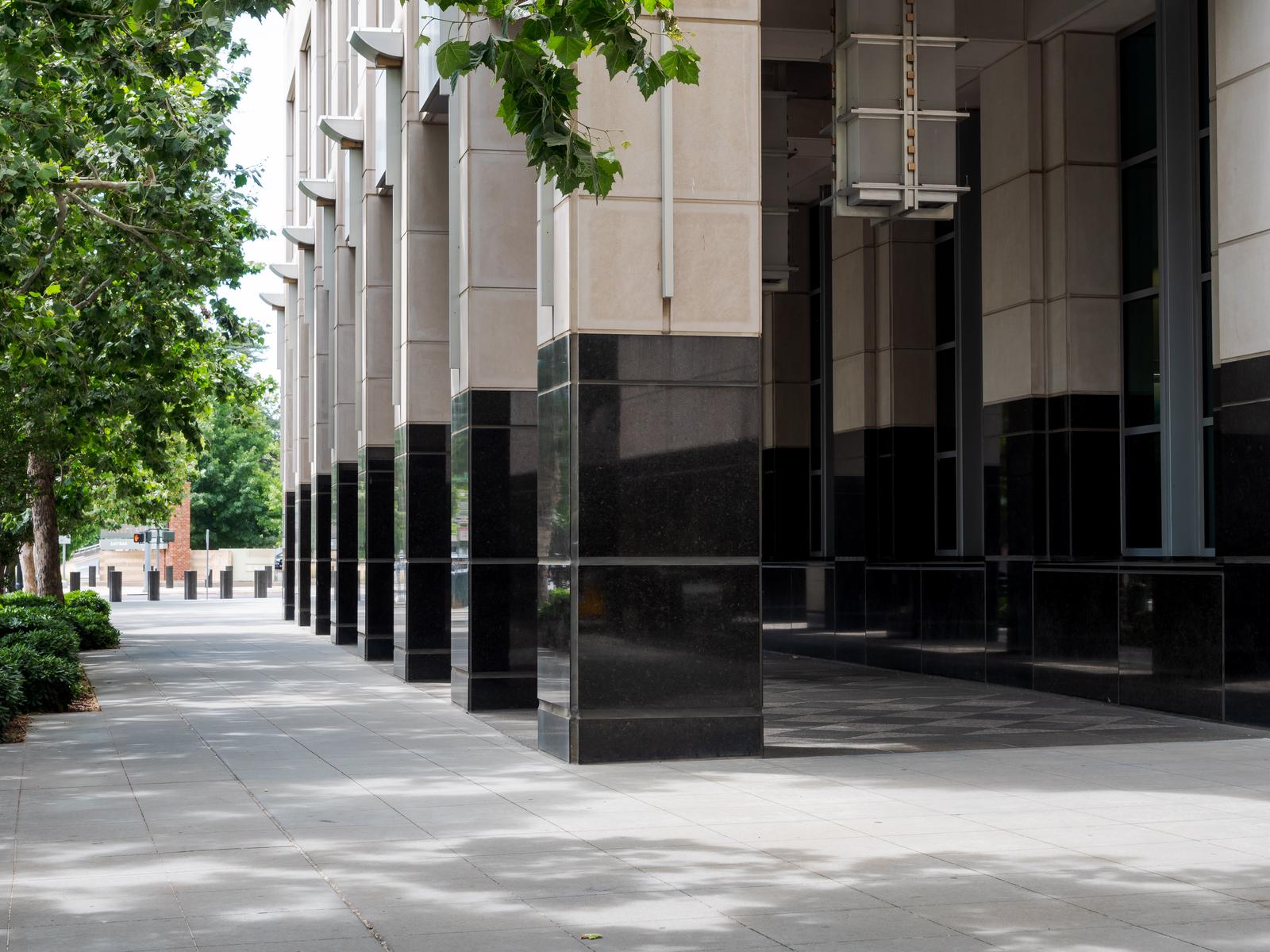
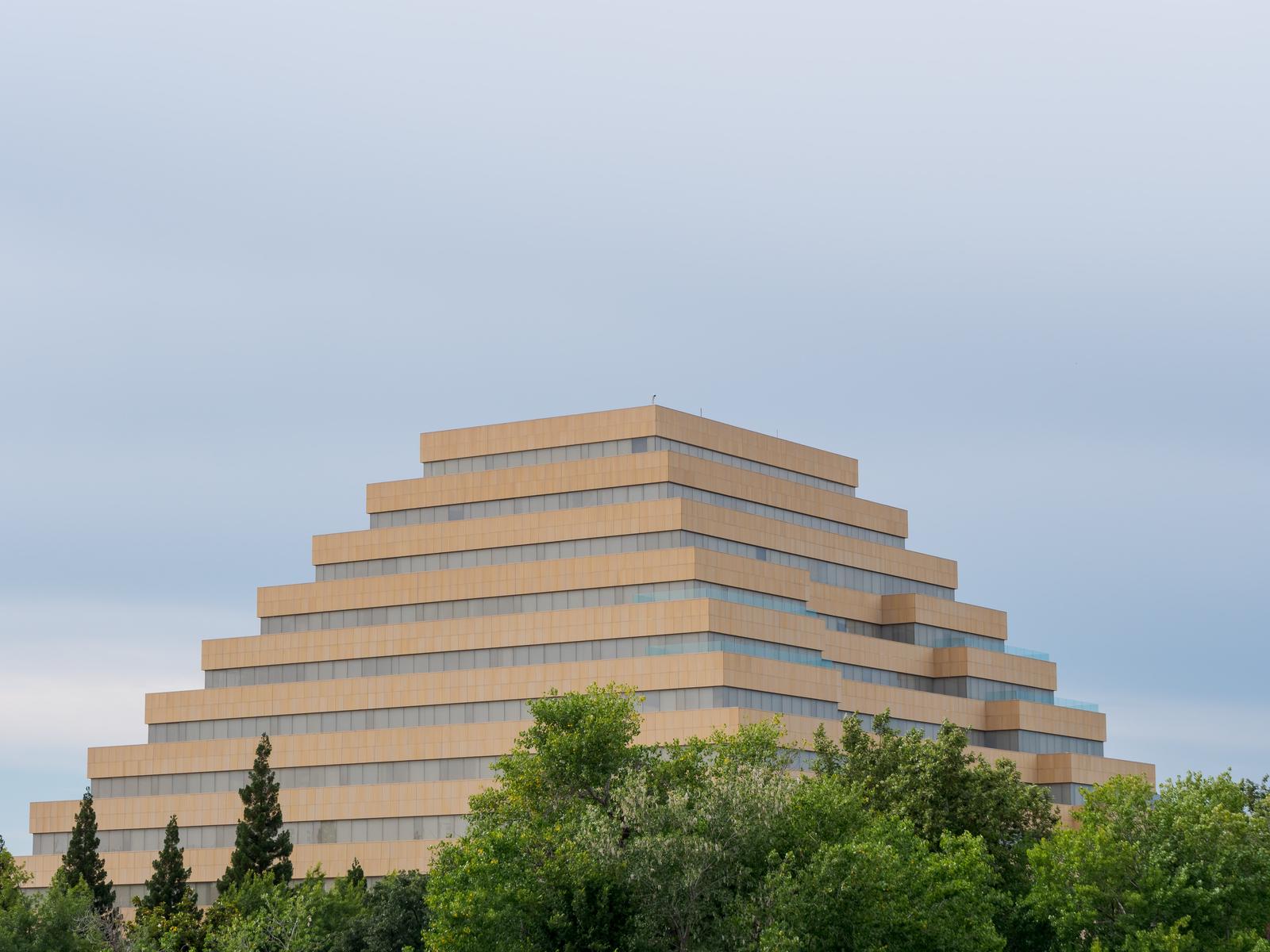
Expressive American architecture 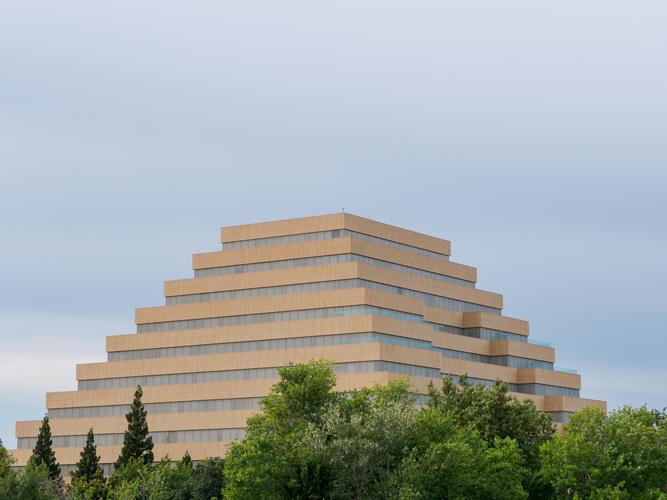
‘Let’s build a ziggurat!’ – ‘Sure, why not!’ 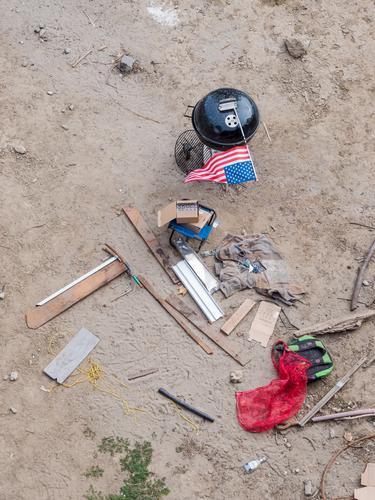
The grill – last refuge of the patriot 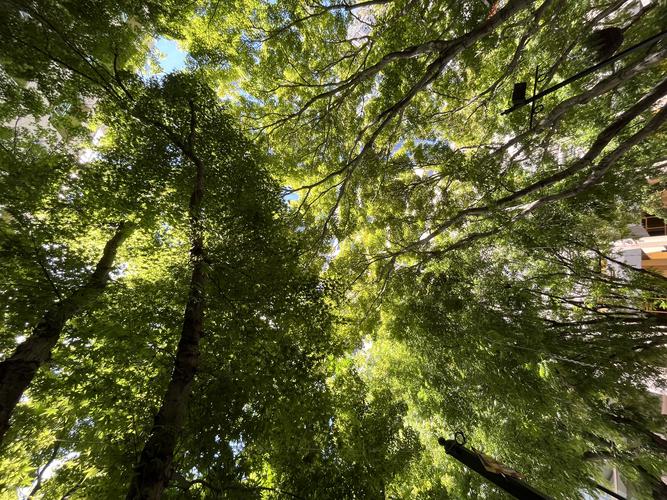
The city is quite green, which is pleasant (especially if you look up, not around)
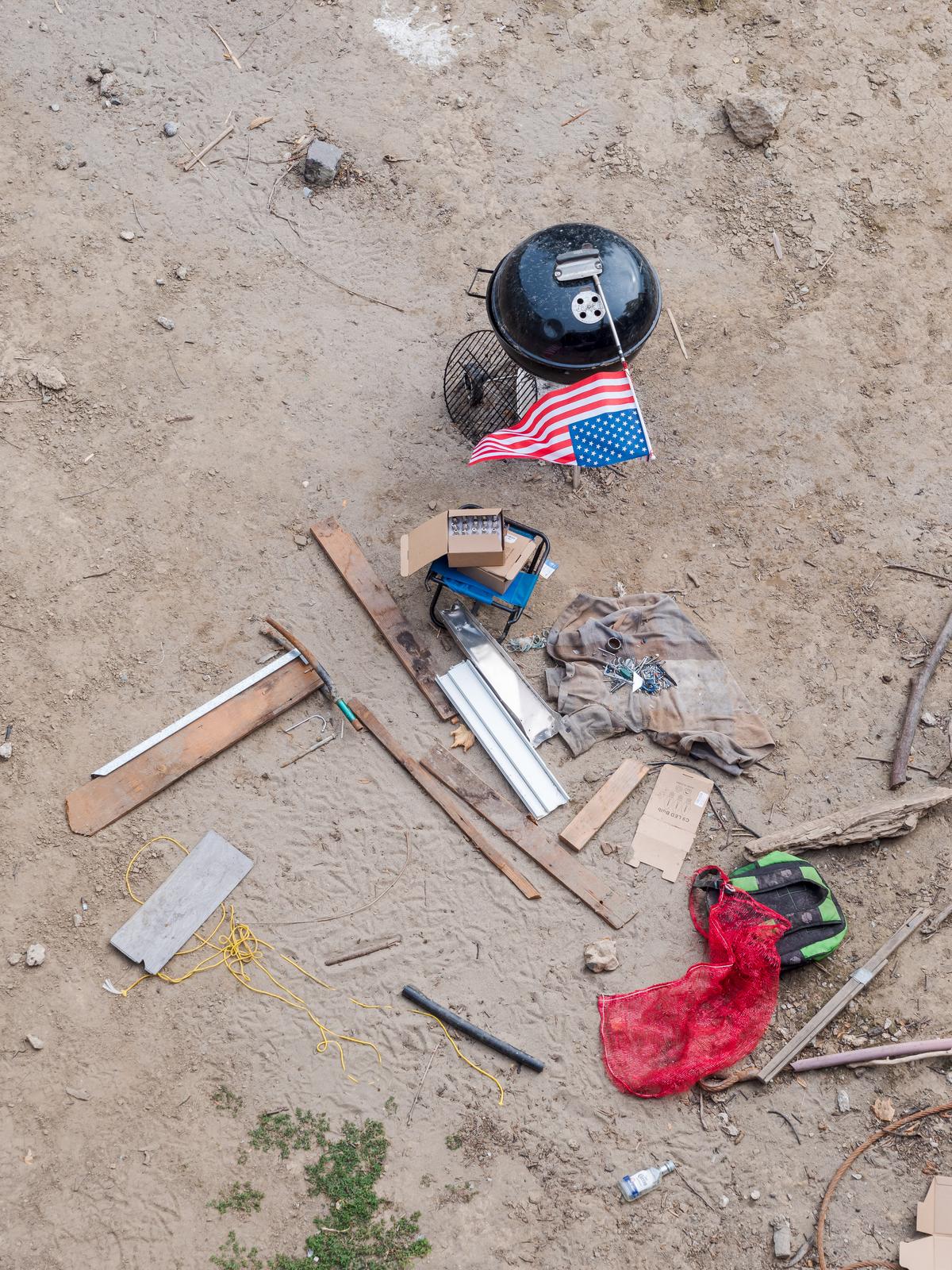

Tents housing homeless people aren’t unique to Sacramento. We saw similar setups later in Portland and Seattle, but for some reason they’re particularly striking in California’s capital. It’s clear that people live like this for months, if not years. Around the sleeping tent, makeshift awnings of plastic sheeting serve as living rooms and kitchens. Inside: tables, chairs, small gas stoves, and grills. Electrical wires snake in from somewhere, and soon people acquire TVs with gaming consoles, speakers, heaters, and fans.
The homeless here behave fairly calmly — they don’t hassle passers-by or beg for money. If there’s any conflict, it’s usually amongst themselves. Many clearly suffer from mental health issues, exacerbated by their living conditions: we saw a woman dragging a large, green, seemingly heavy suitcase on her head, loudly arguing with an invisible opponent, swatting at them and occasionally dropping her burden.
Even in wealthy and “progressive” states like California, public social services are woefully underdeveloped. Charities and churches do what they can to help those in difficult circumstances, but it’s obvious their resources aren’t enough for everyone.
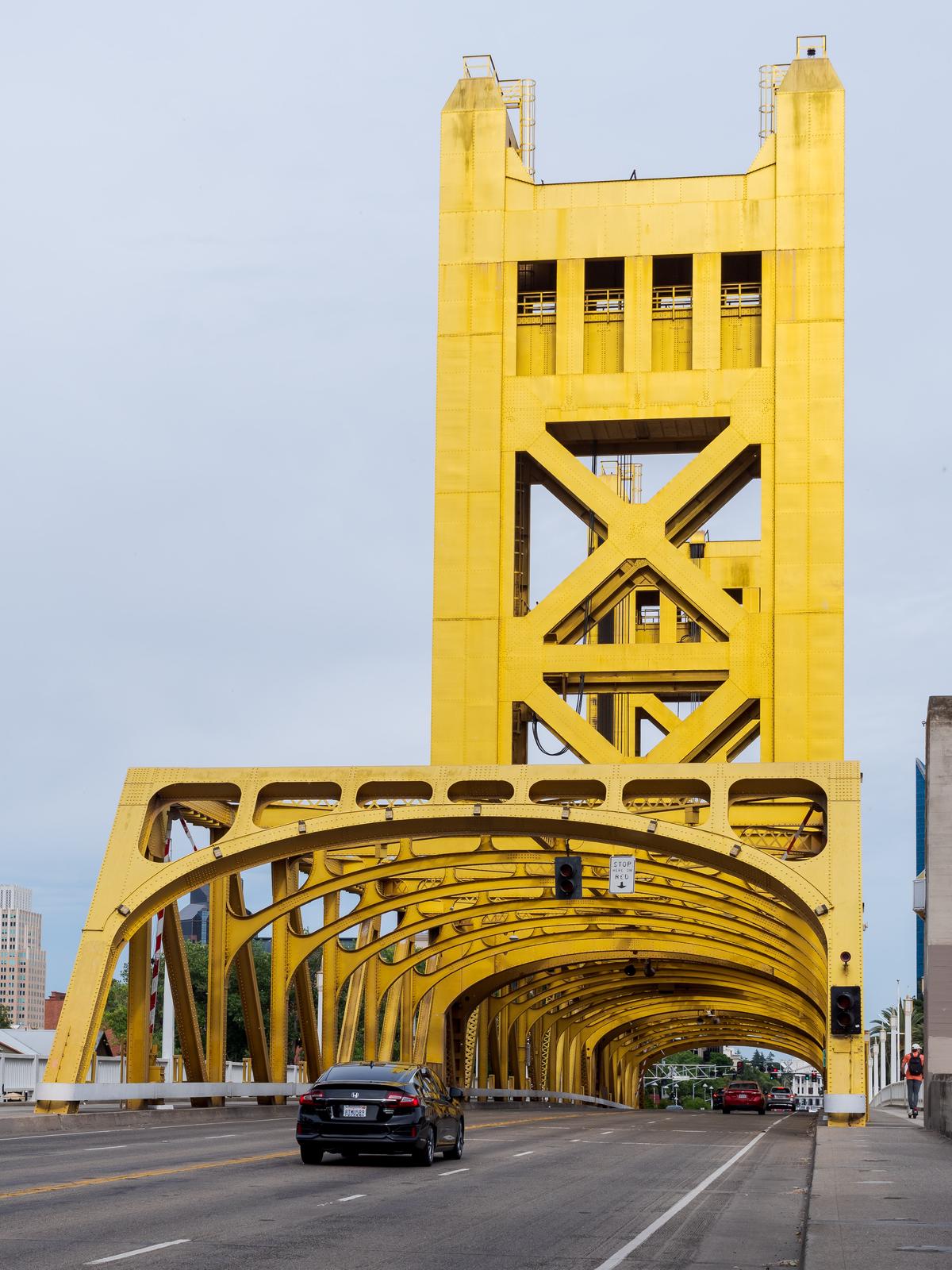
Still, we didn’t come to Sacramento to study homelessness. Our main interest lay in two attractions: “Old Sacramento” and the California State Railroad Museum.
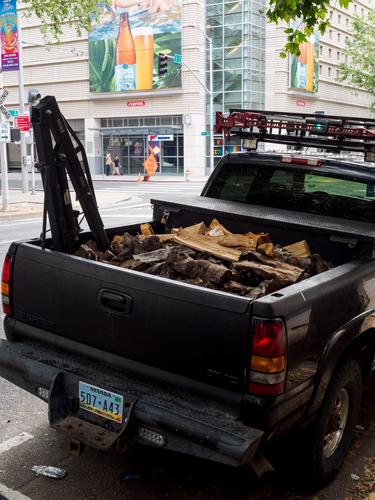
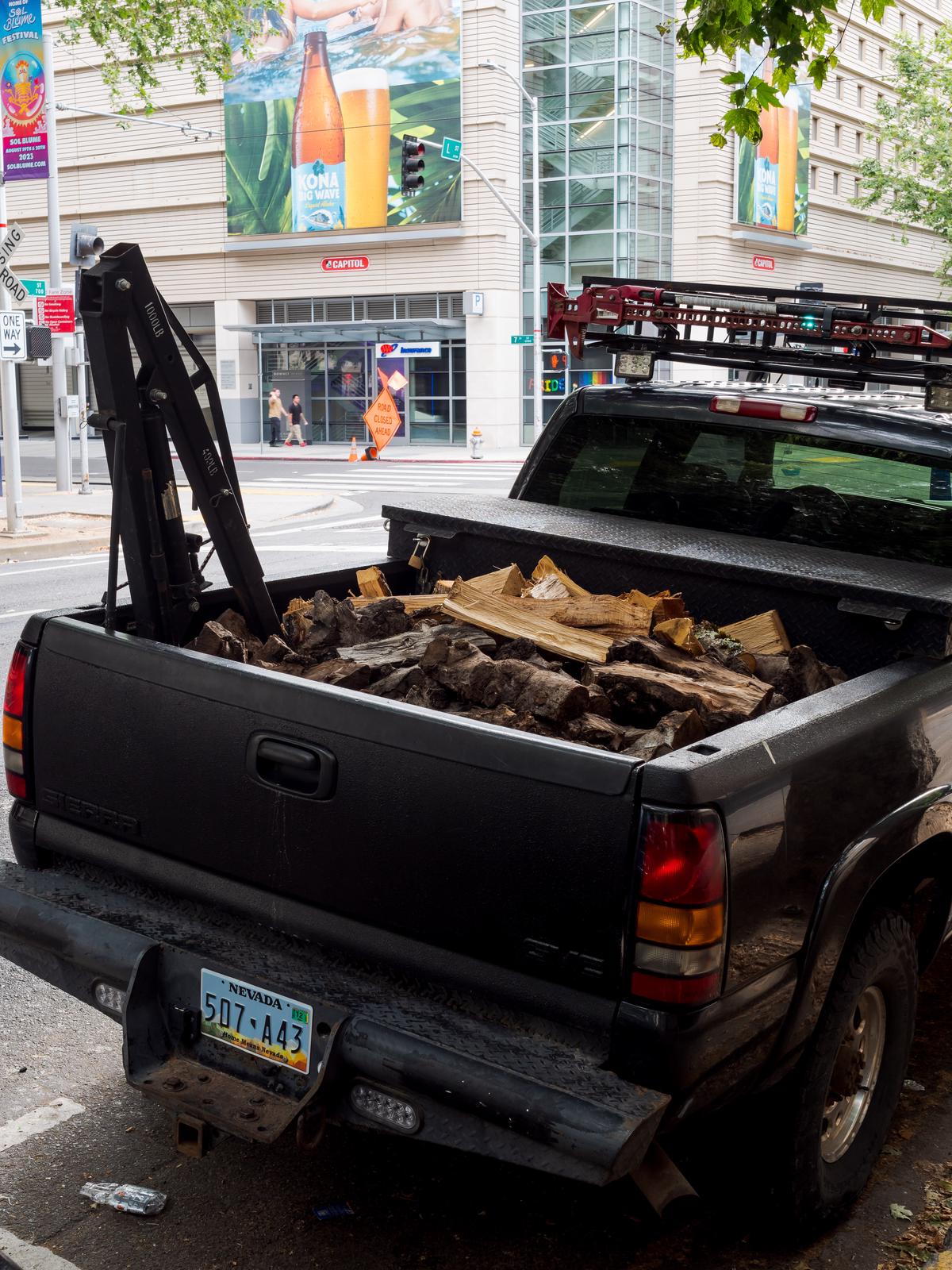
Not hauling firewood! 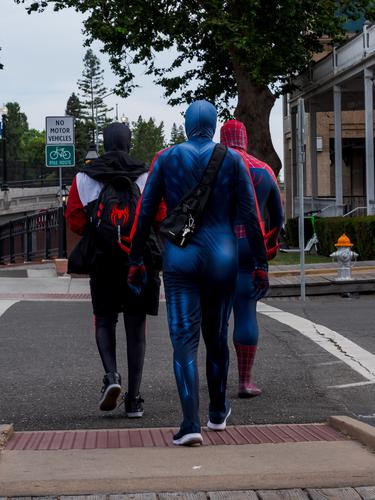
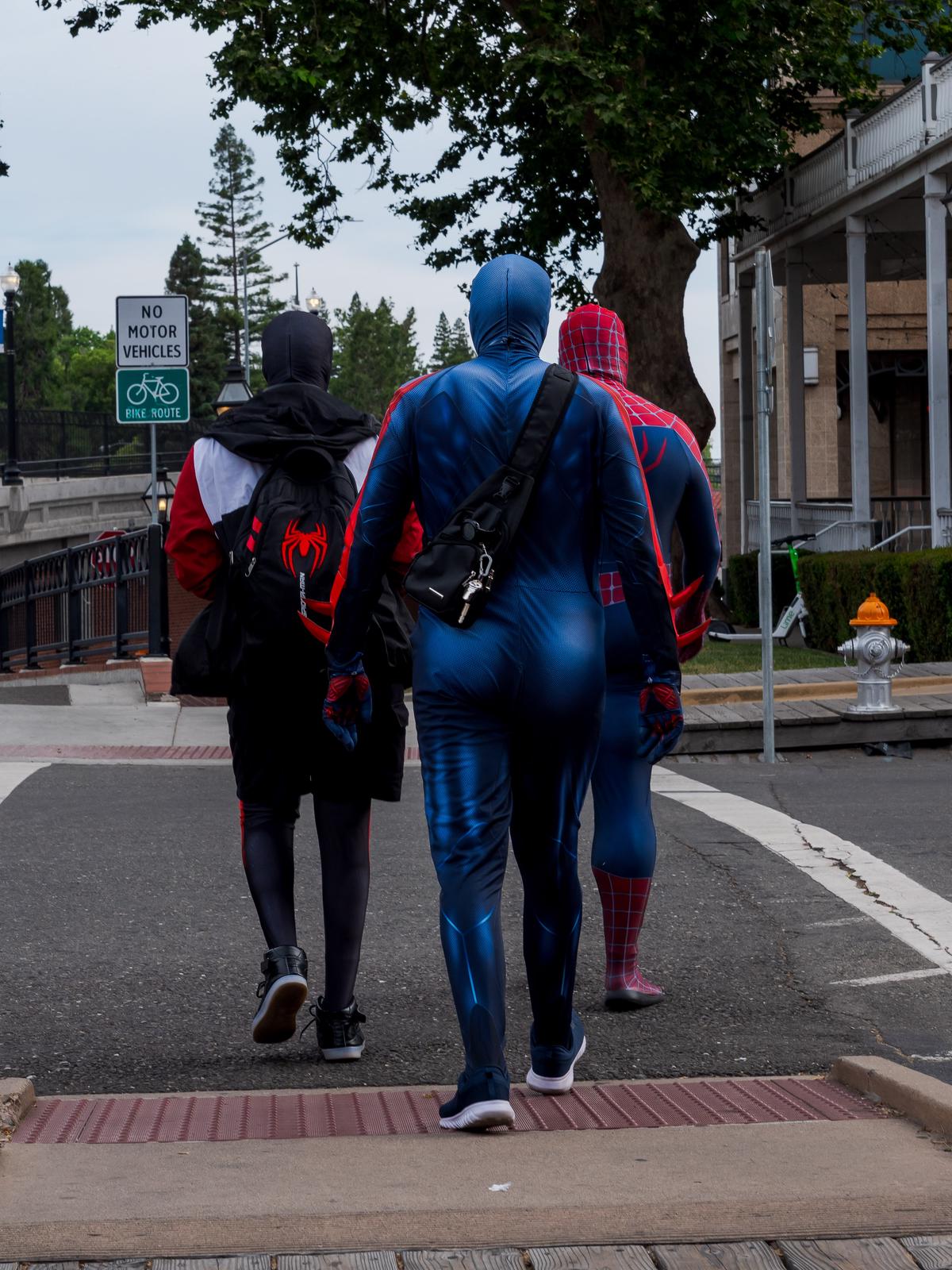
Superheroes among us
Old Sacramento
Imagine yourself on the promenade in Anapa in the late ’90s or early 2000s. Now mentally sketch in the backdrop of a Wild West film town. Got it? Congratulations—you’re in Old Sacramento!
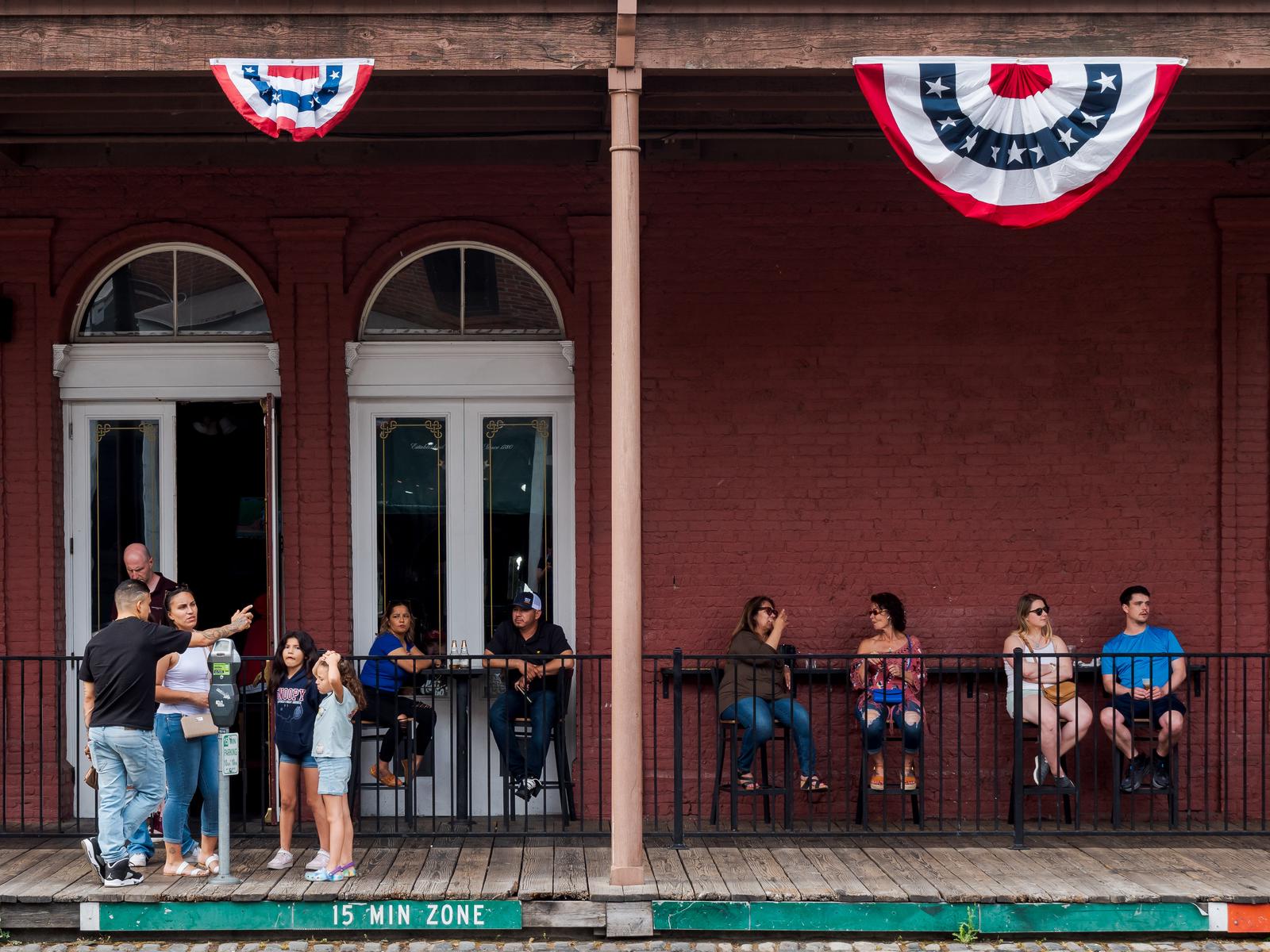
Along the riverbank, in a 400x100m area, the city authorities have tried to preserve the architecture, layout, and atmosphere of a late 19th-century American town. They’ve succeeded with the buildings and layout, but not with the atmosphere. Despite the area being surrounded by car parks, people still insist on driving through it. Streets are lined with parked cars, and traffic jams are constant. Apparently, American (Californian?) urban planning hasn’t yet reached the point of restricting vehicle access to certain districts.
But the main issue with Old Sacramento is that there’s absolutely nothing for a tourist to do. You can wander through souvenir shops — all stocked with goods made in China. You can scoop sweets from barrels. You can drink beer in a bar and chase it down with a burger. But you hardly need to come here for that.
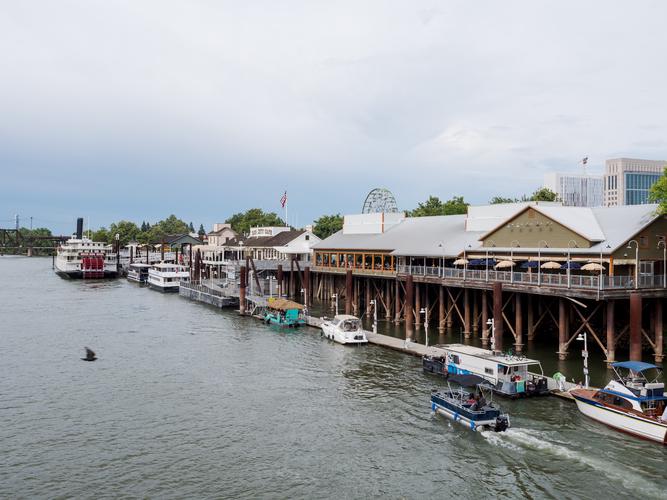
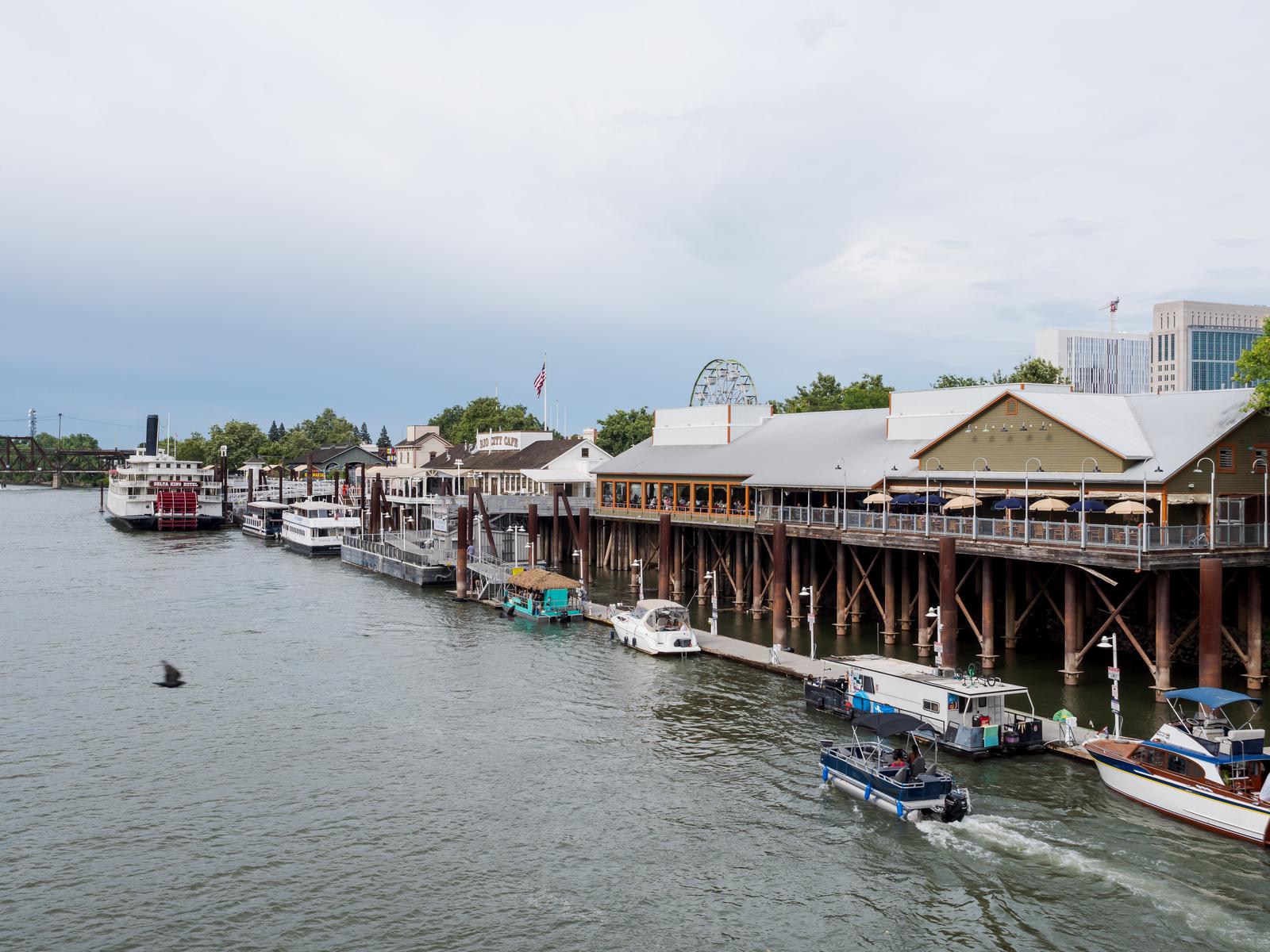
View of Old Sacramento from the bridge 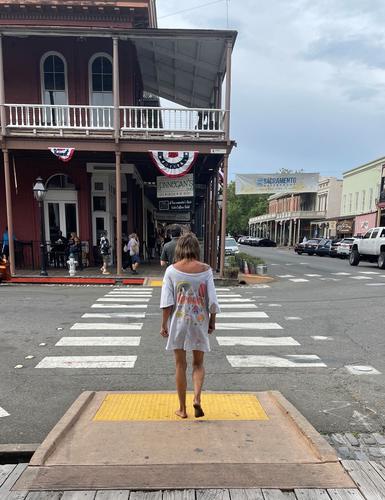
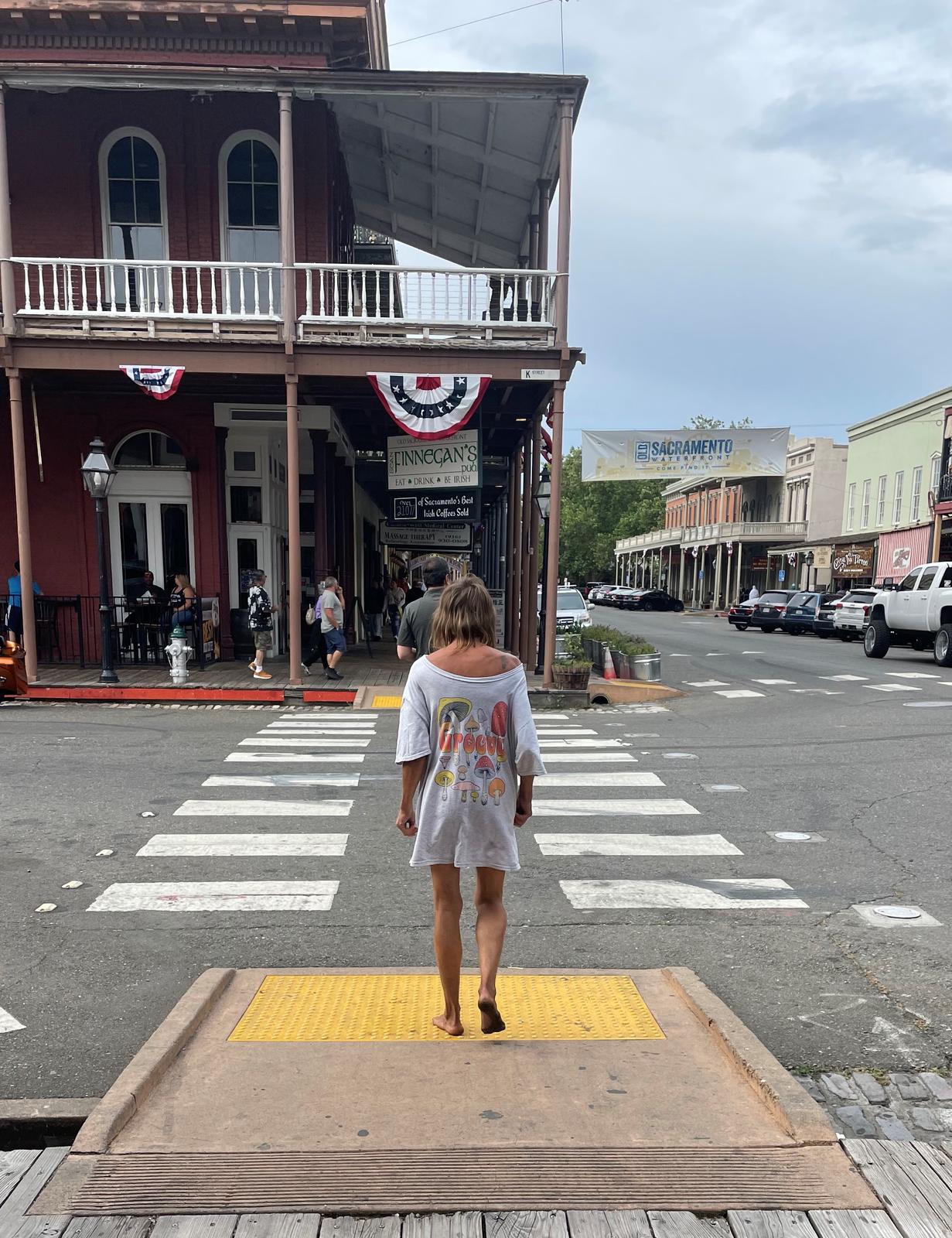
C-c-combo: vagrant in Old Sacramento 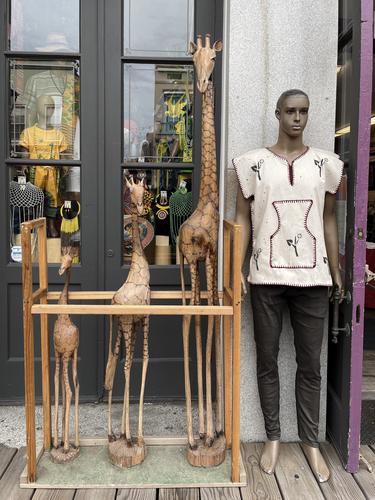
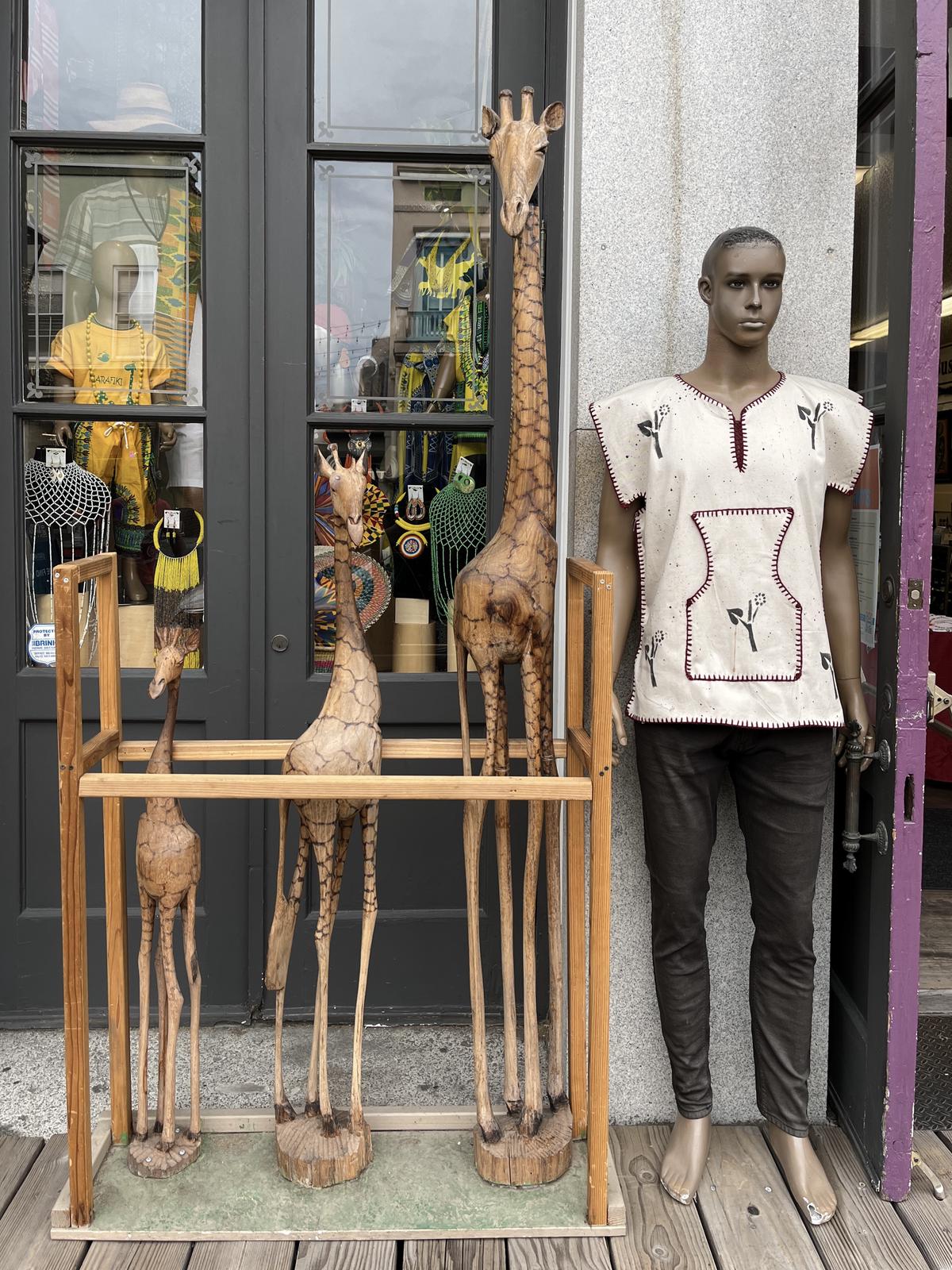
Goods from Africa 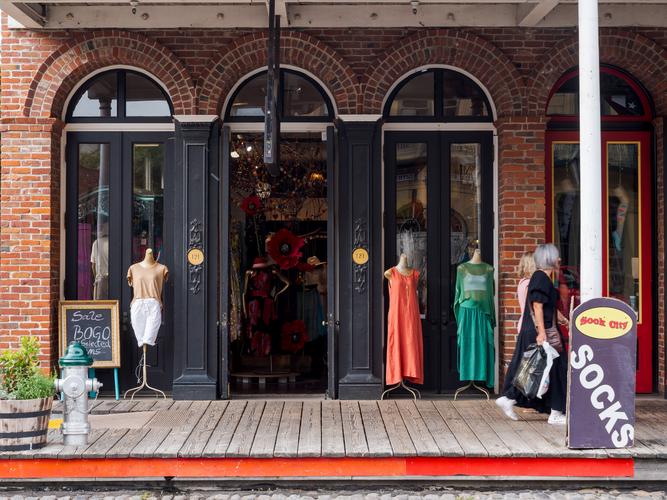
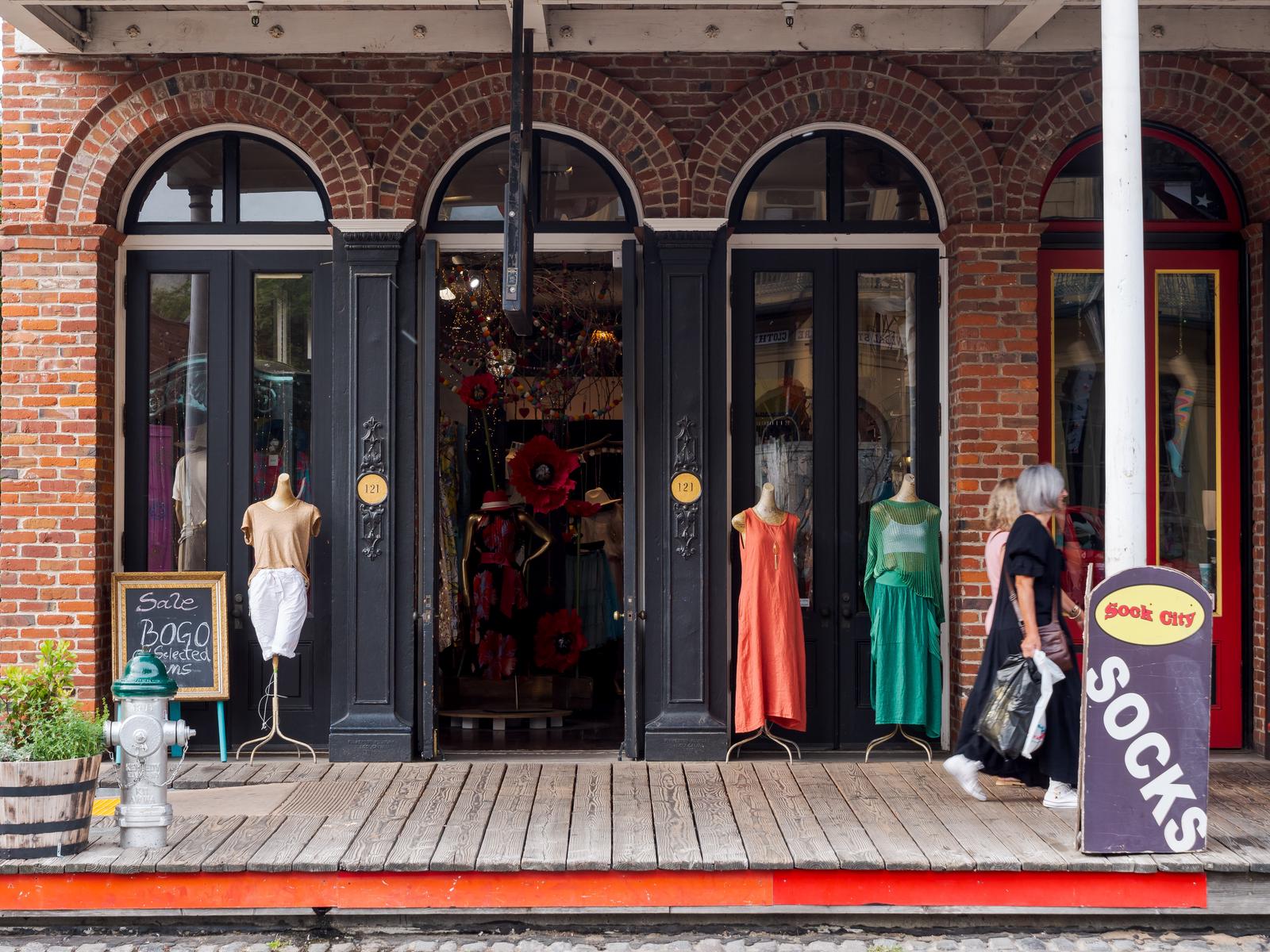
You can buy socks 
Or a sign with a funny quote for your home 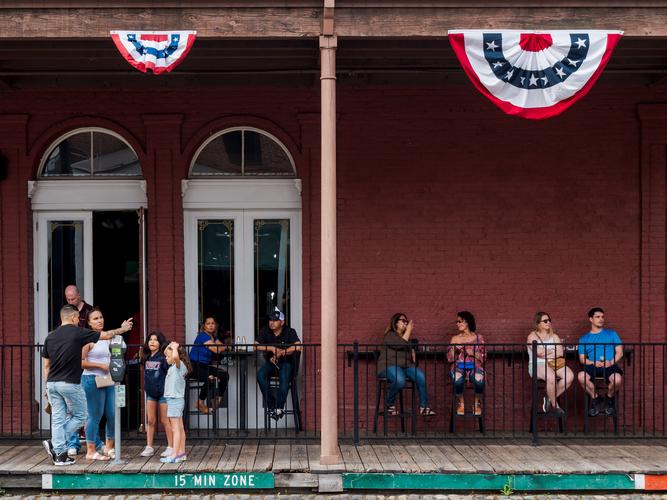
What are we doing here? 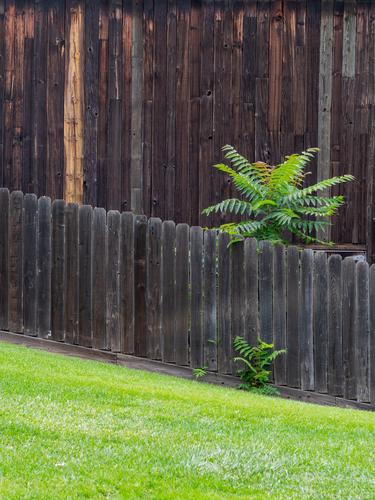
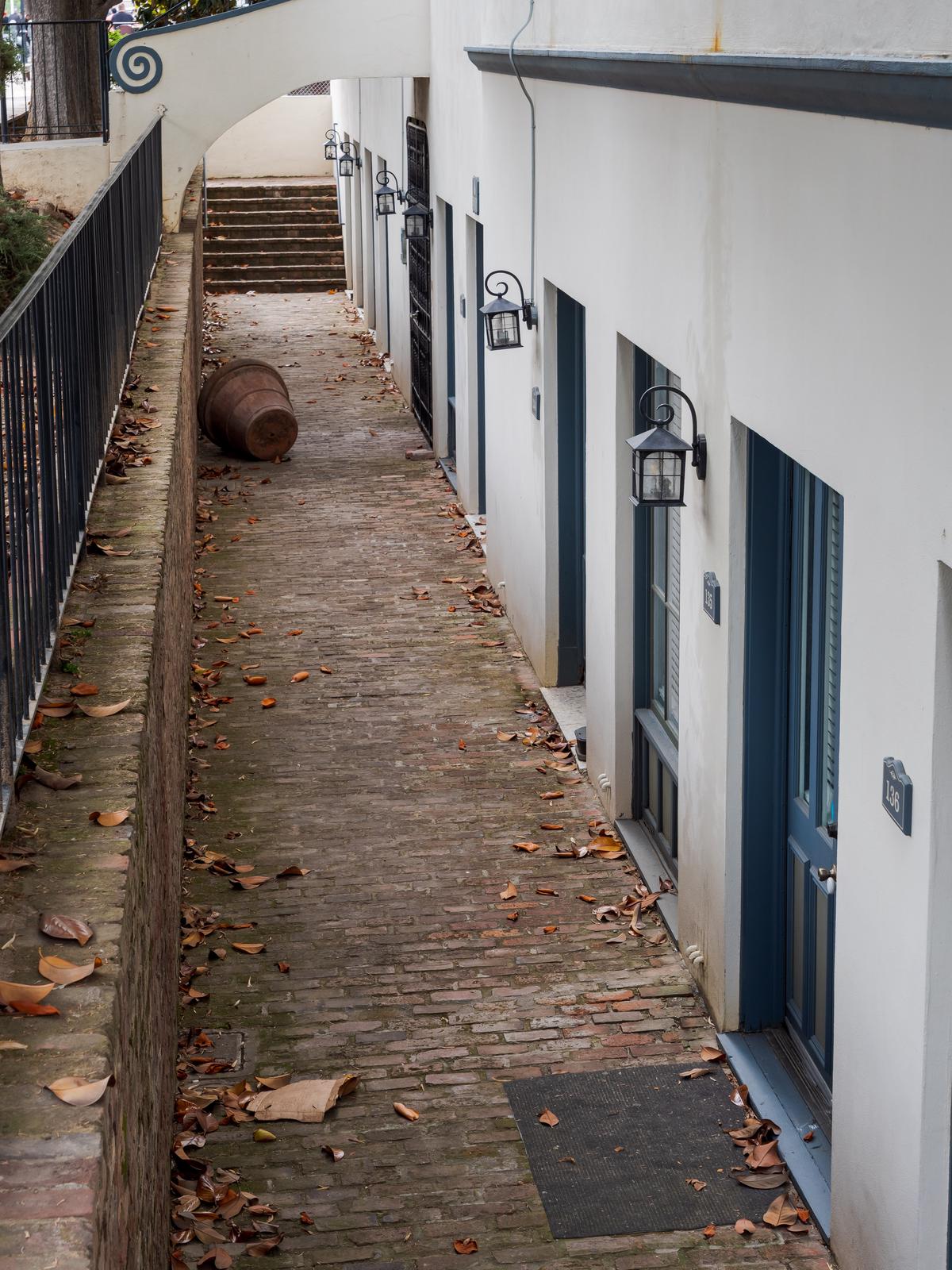
Back alleys of the old town are rather charming 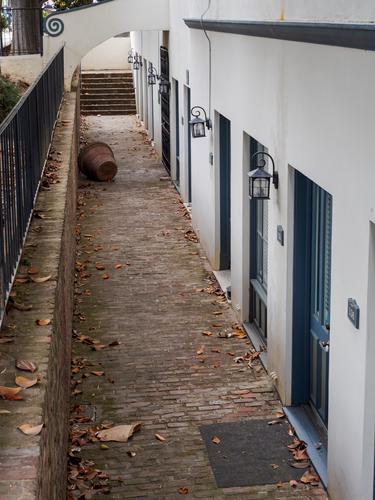
Feels like Spain — but it’s not.

Railroad Museum
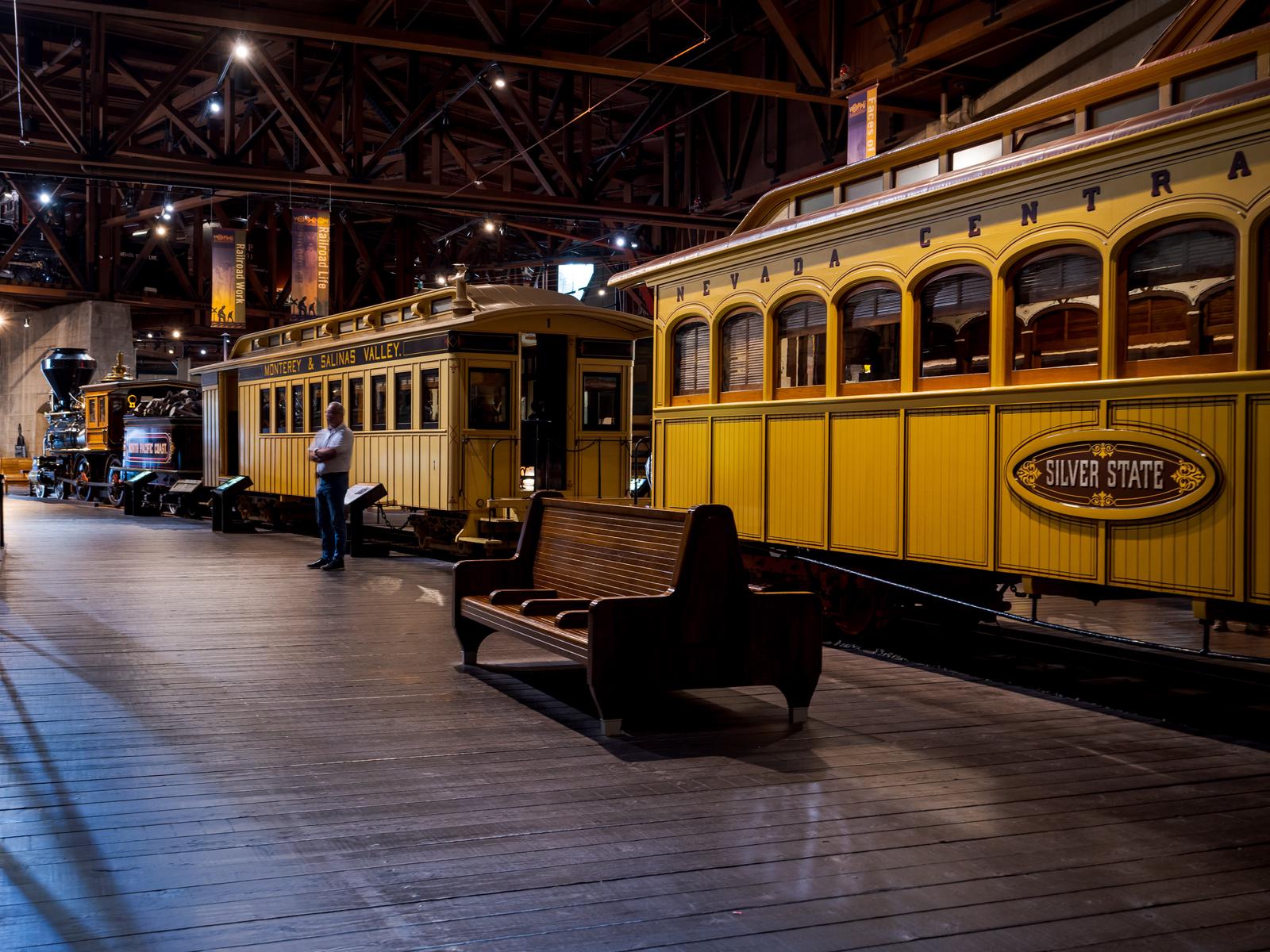
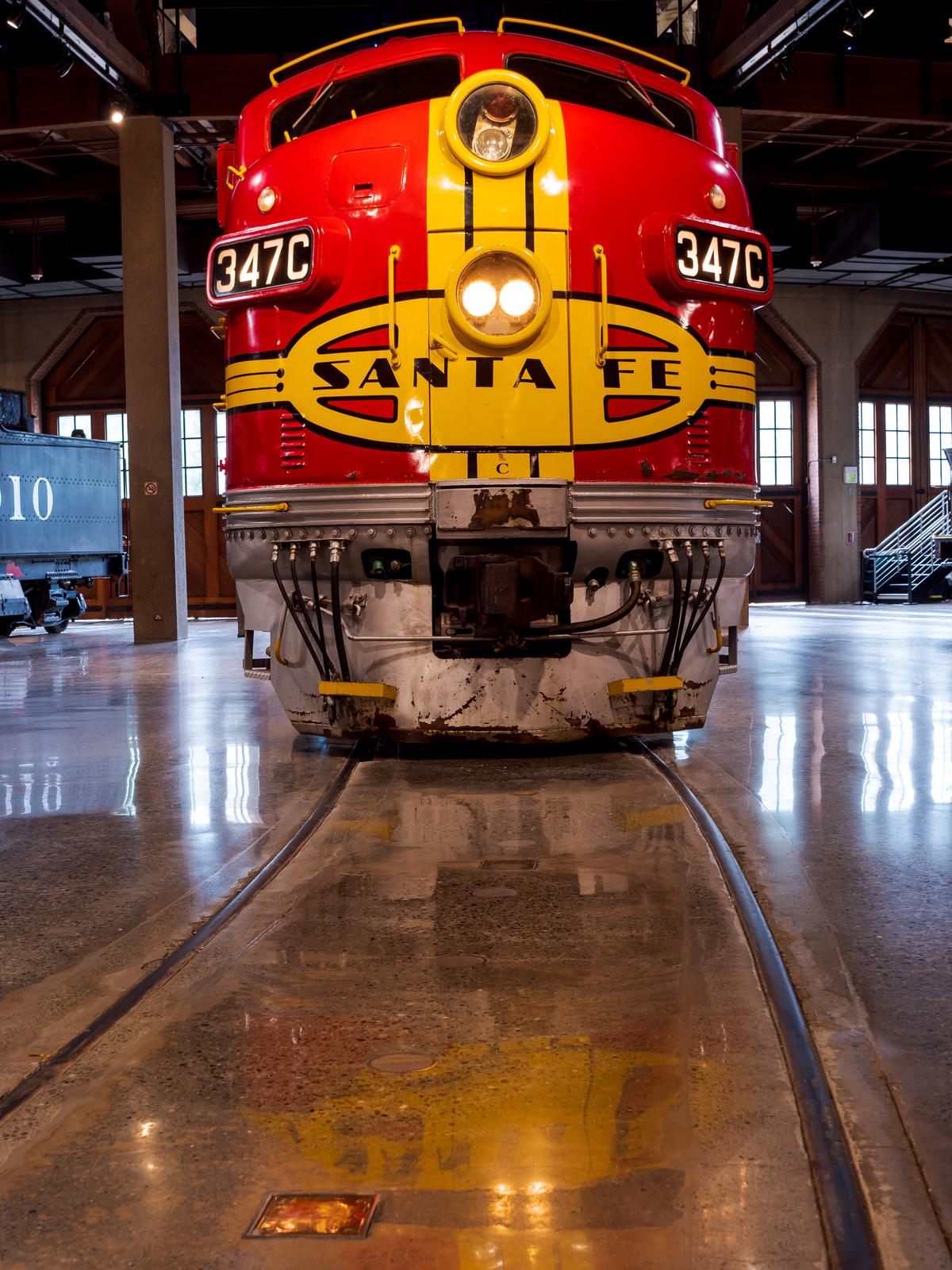
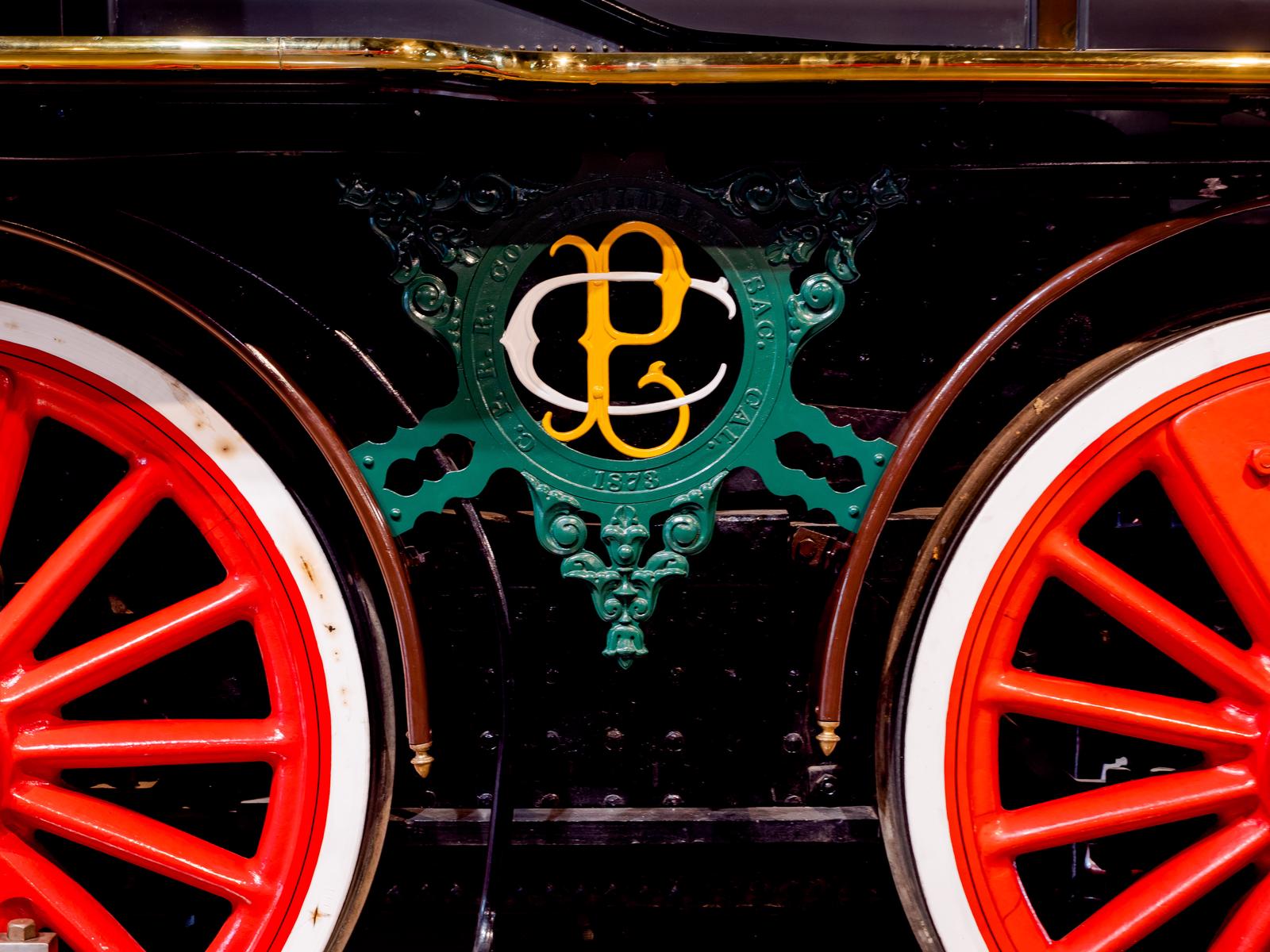
Let me be blunt—the museum is excellent! It tells the story of California’s railways in the 19th and 20th centuries, from the explosive growth during the Gold Rush to the gradual decline as air travel gained popularity.
On the ground floor are locomotives and carriages set in scenes of small railway stations from the turn of the century. You can step inside some of the carriages and explore their interiors. The museum attendants (or volunteers—it’s hard to tell) are mostly elderly men. From chatting with them, it’s clear they’re railway enthusiasts, happy to talk for hours about the subject. We learned:
- how mail was delivered in the late 1880s: correspondence was sorted right in the carriage while the train travelled between stations, under strict time constraints;
- what was on the Christmas dinner menu in a dining carriage in the 1940s;
- the cost of a ticket from Chicago to San Francisco in the 1950s: over $3,000 in today’s money!



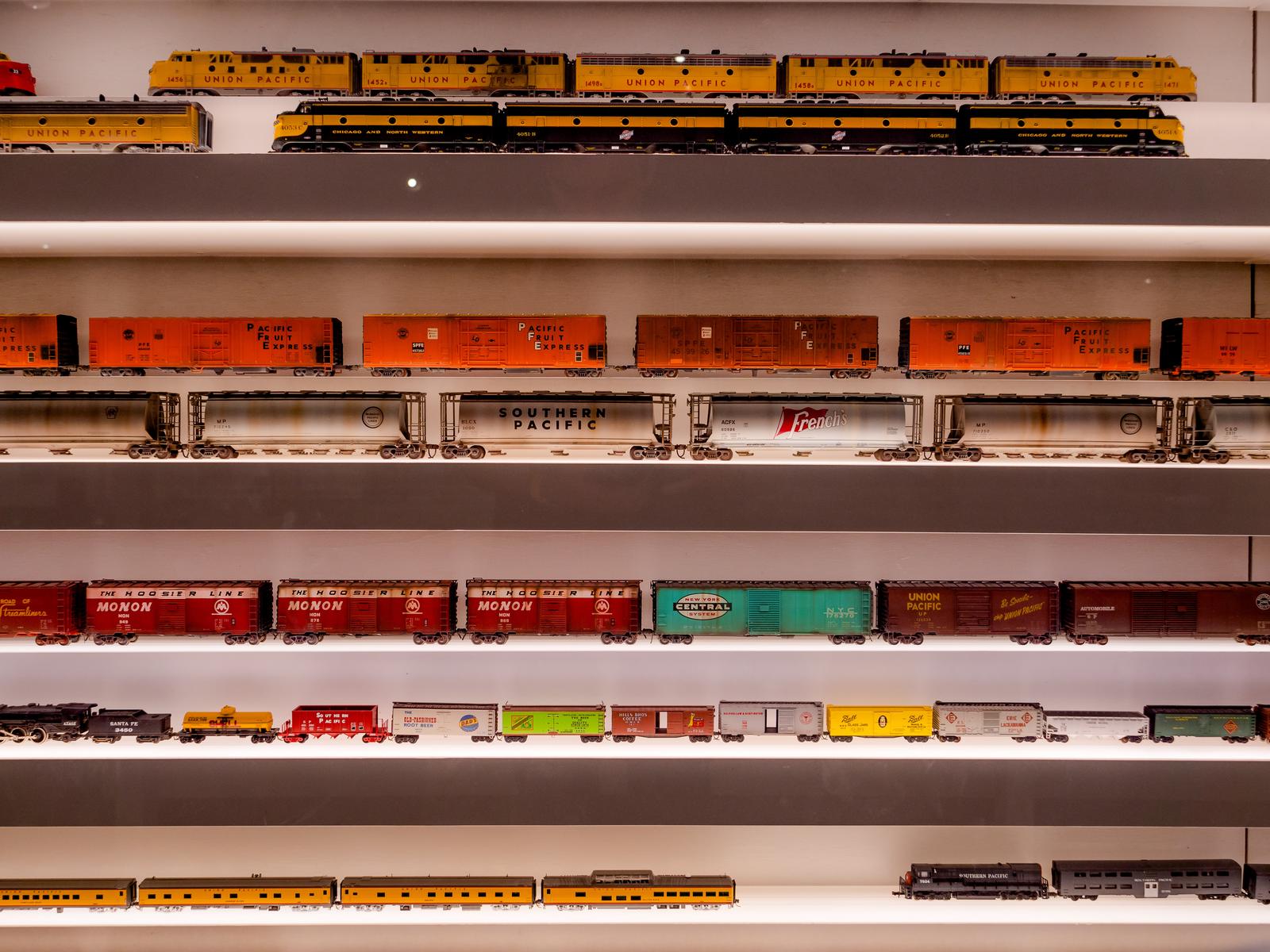
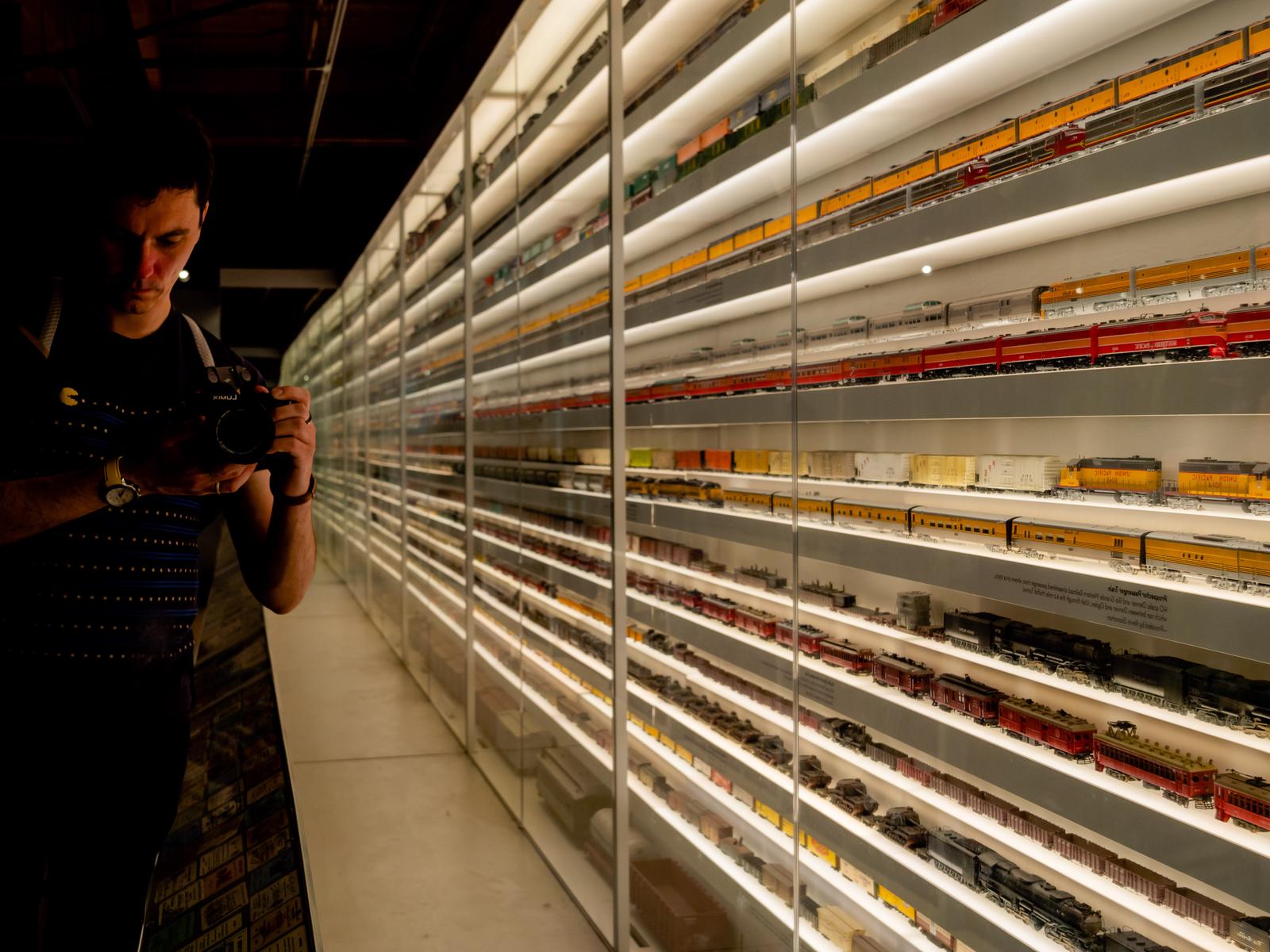
The second floor is a true paradise for railway enthusiasts. It’s almost entirely dedicated to toy trains and models in various scales. The real wow-factor comes from the meticulously crafted dioramas of factories, terminals, docks, and the railway lines connecting them. Thousands of hours and tens of thousands of dollars—manifestations of Americans’ love for the “steel backbone” of the USA.
What do you do when a city doesn’t live up to expectations? Find a good restaurant for the evening! We dined at the excellent Chinese restaurant Frank Fat’s, with its 80-year history, picked up a banoffee dessert for the road—recommended by patrons and the Michelin guide—and headed off to a motel on the city’s outskirts for the night. The next morning, we had a four-hour drive ahead, back to the coast, to a village with the romantic name of Mendocino.