
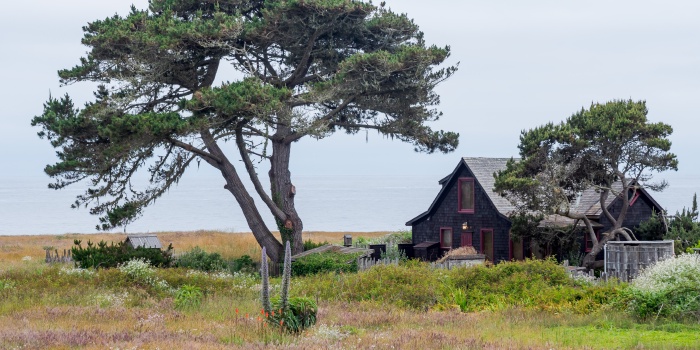
Mendocino
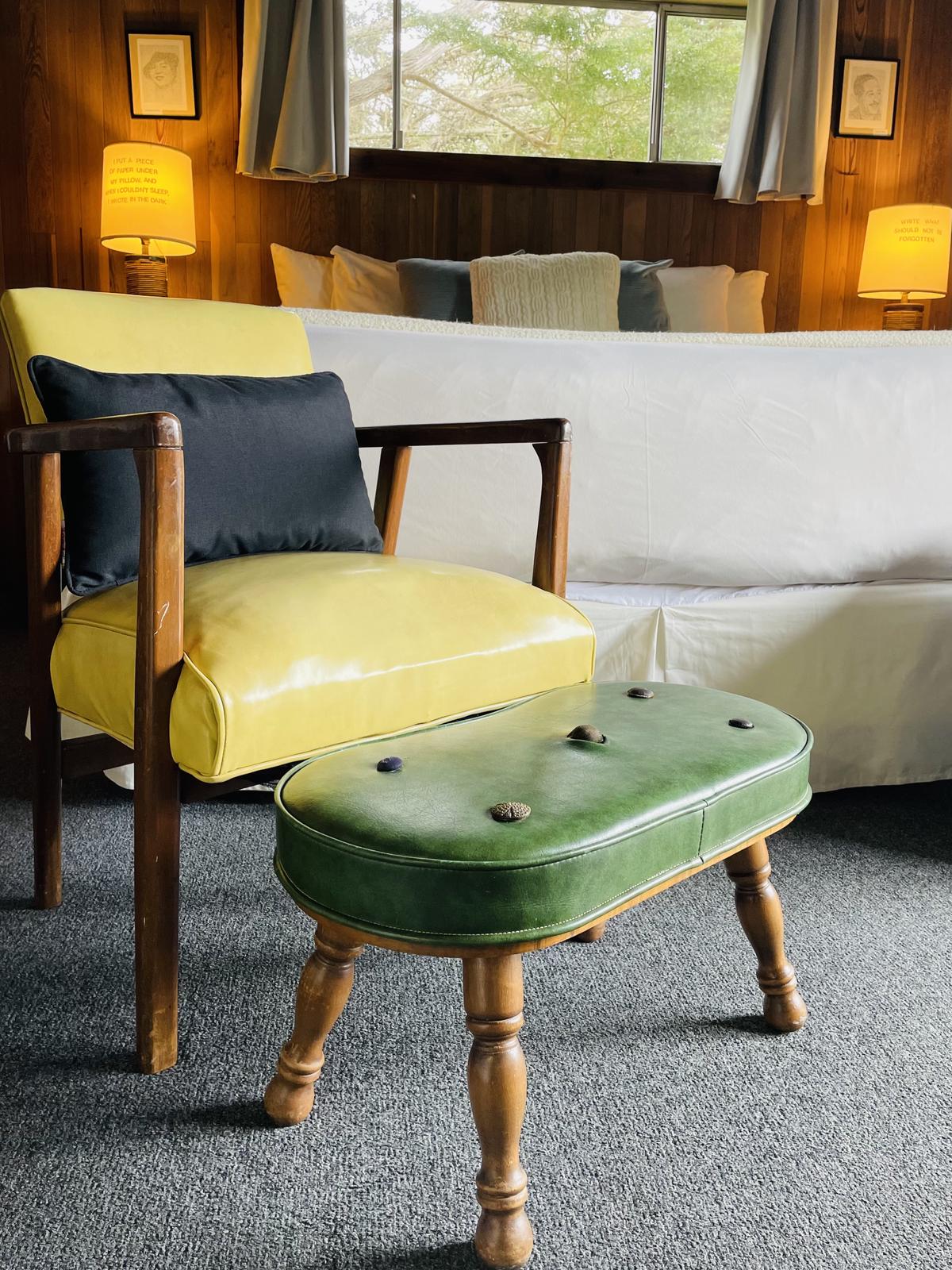
From Sacramento, we returned to California’s north coast and stayed in a small bungalow, one of eleven on the grounds of a mini-hotel. Each cabin is decorated and furnished according to a theme: “Play”, “Travel”, “Create”, “Read” and so on. Ours was “Write”, complete with quotes from the biographies of great (mostly American) writers, a framed page from a thesaurus, a magnetic board with a random assortment of words to be arranged into more or less coherent sentences, and shelves packed with books.
On the table stood a mechanical Royal typewriter and a couple of sheets of paper.
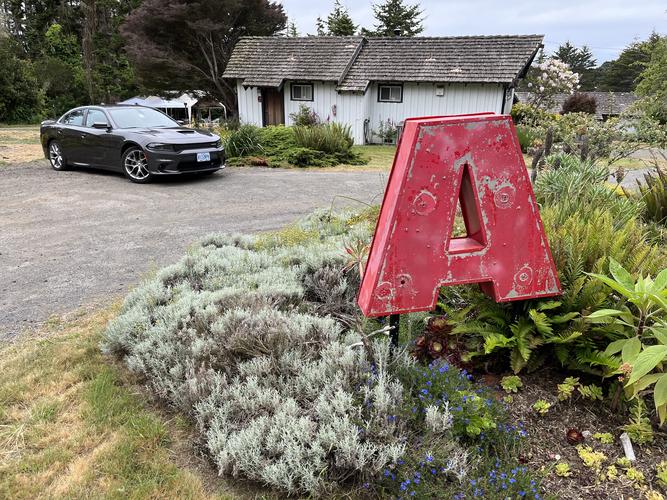
Our cabin and vehicle 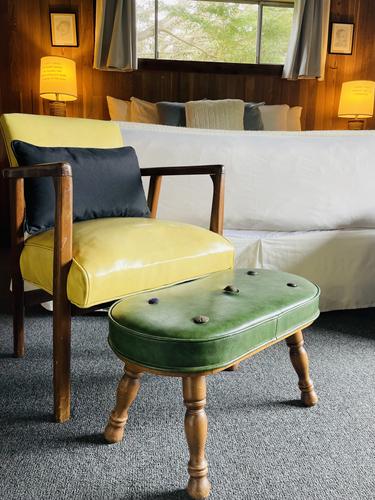
Full marks for interior design! 
A writer’s workspace

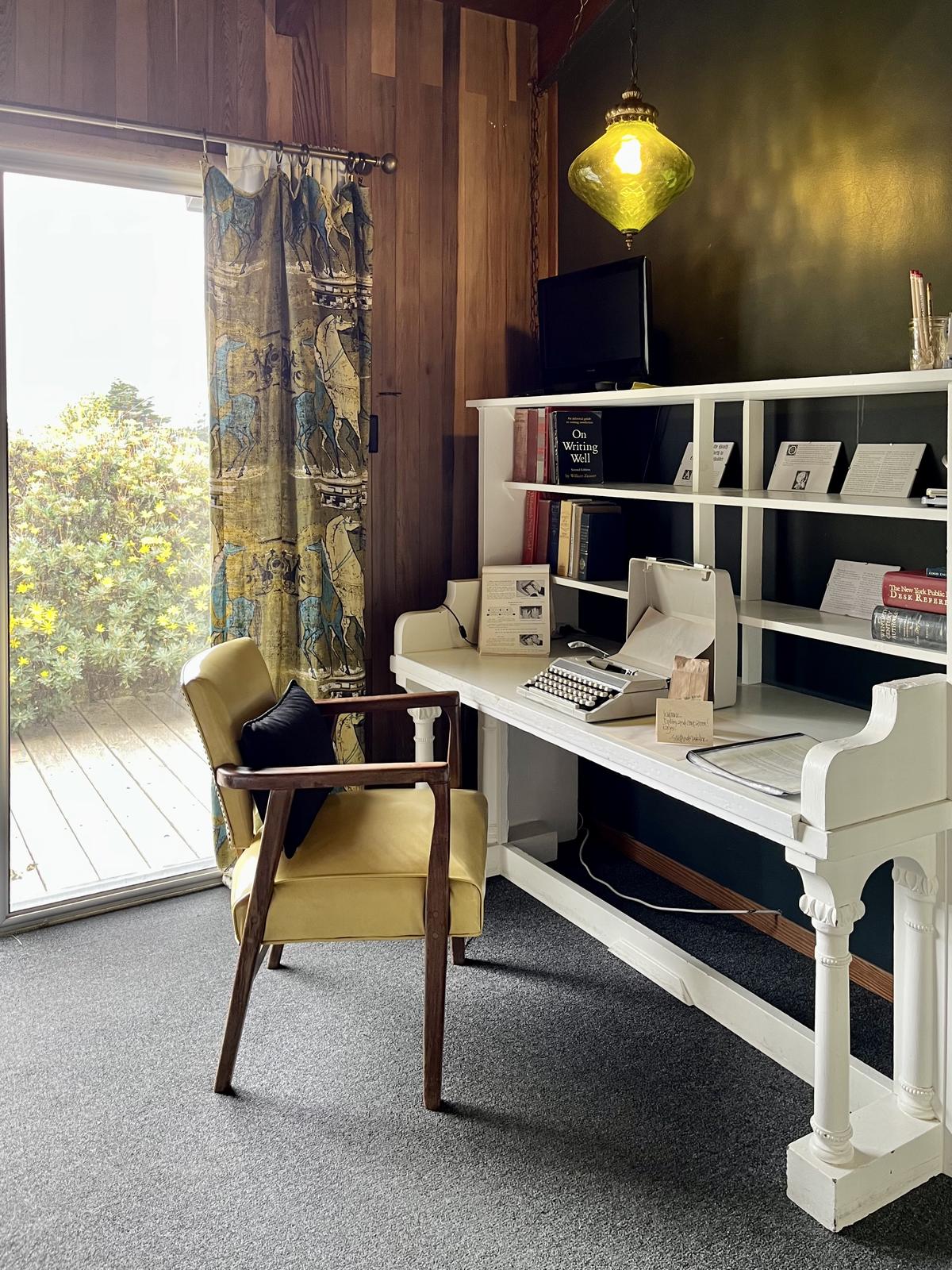
The typewriter was in perfect working order, and I finally closed a long-standing loop—tapping out a dozen lines of utter nonsense about our trip, impressions, and expectations for the next ten days.
ℹ️ Note
Like many analogue technologies—such as film photography or vinyl records—typewriters have grown in popularity over the past five to eight years among hipsters weary of digitisation and nostalgic for the tactile. There’s an active community on Reddit, listings for sales on eBay, repair and servicing businesses, and even a factory somewhere in France still producing ribbons. The mythology goes like this: if you need to focus entirely on writing, a typewriter is perhaps the best option. The writer is free from all distraction. It’s just them, a sheet of paper, and the machine used to create some of the world’s finest literature of the twentieth century.
Unlike me, Natasha had lessons in typing when she was younger. Sitting down at the Royal, she began to type with such confidence that she punched clean holes through the middles of the “o”s.
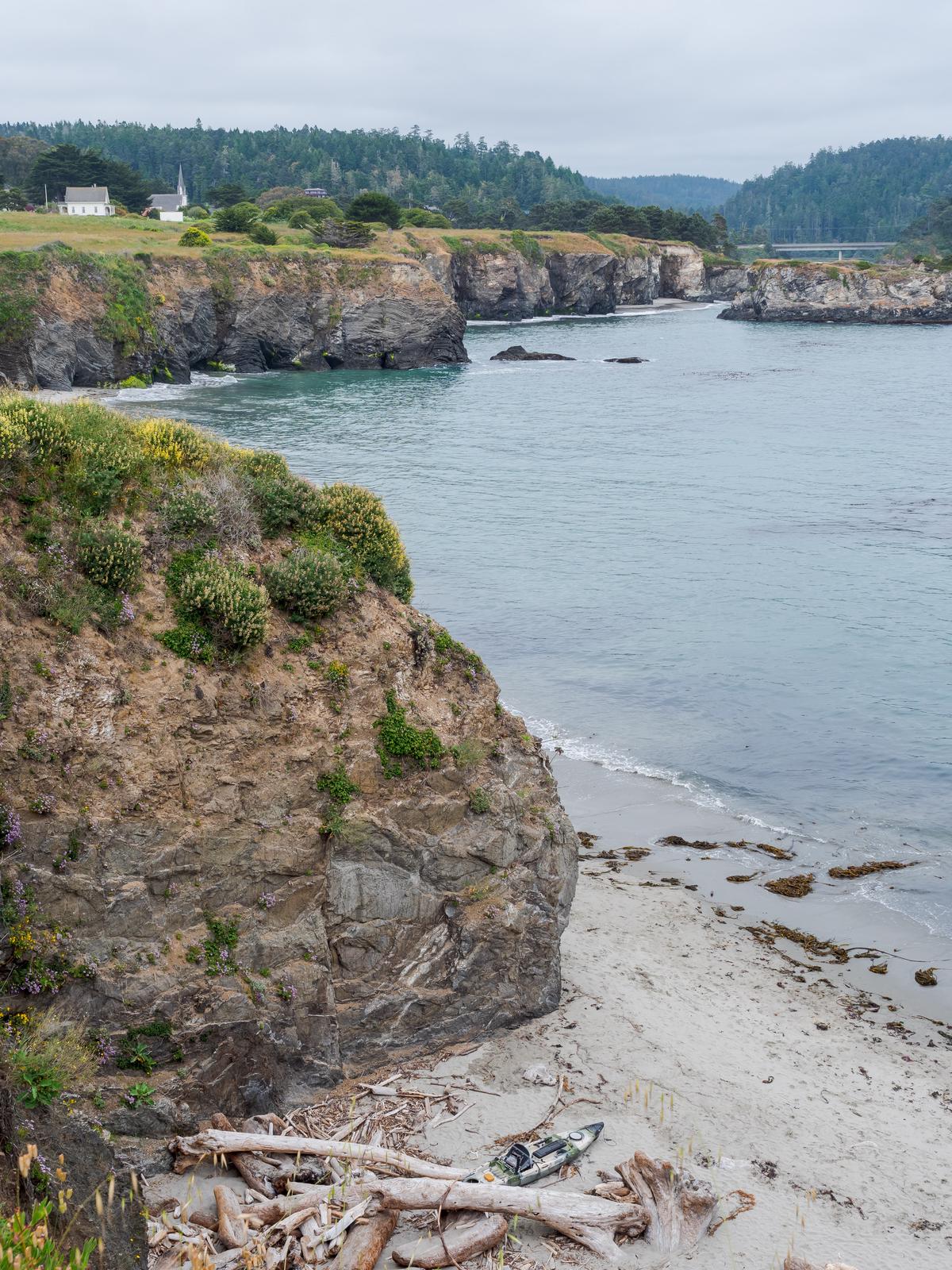
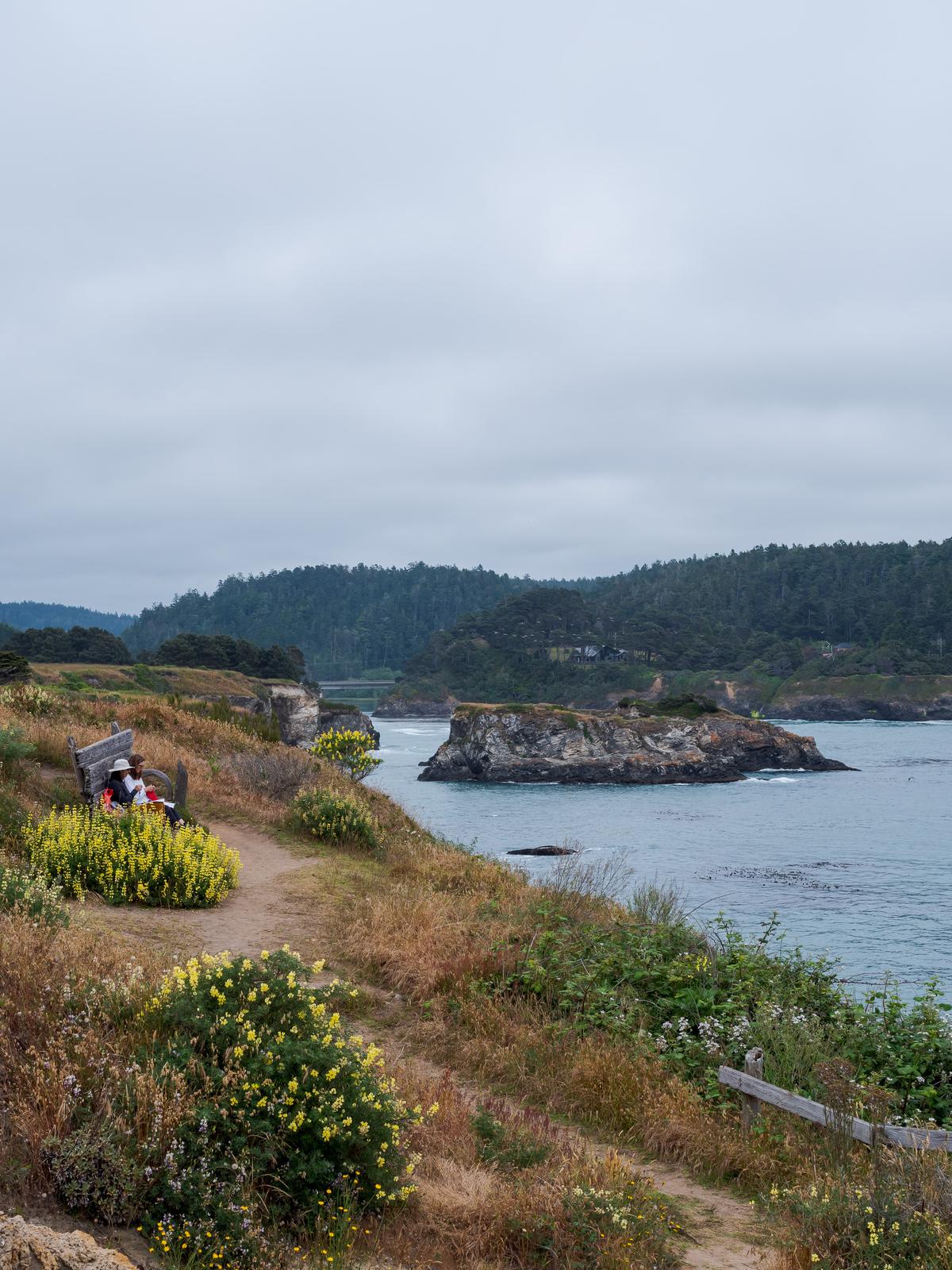
The state’s north coast looks nothing like the California I imagined from films and TV series—with endless sandy beaches, year-round blue skies, surfers, convertibles, Hollywood glamour and so on. Here, the shoreline is rocky, and forests drop right to the cliff edges above the ocean. The wind drives in low grey clouds and mist from the north. As in Ireland, the weather can change several times in a single day—from blazing sunshine to piercing drizzle and back again.
Our hotel was a ten‑minute drive from the village of Mendocino — the main settlement in the county of the same name in Northern California. Mendocino and the surrounding coastline are popular with the creative set.

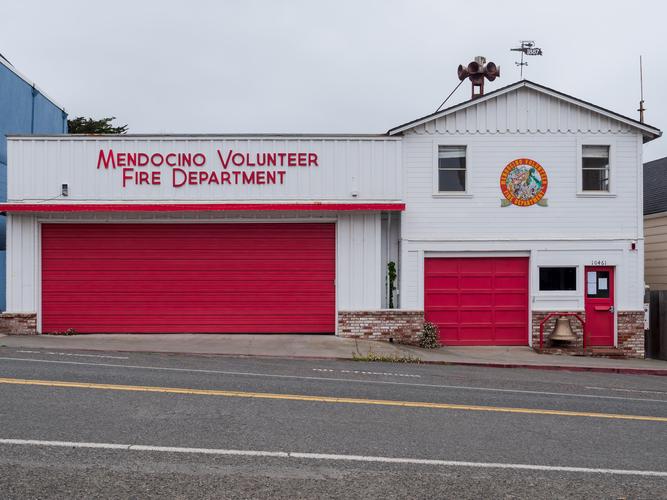
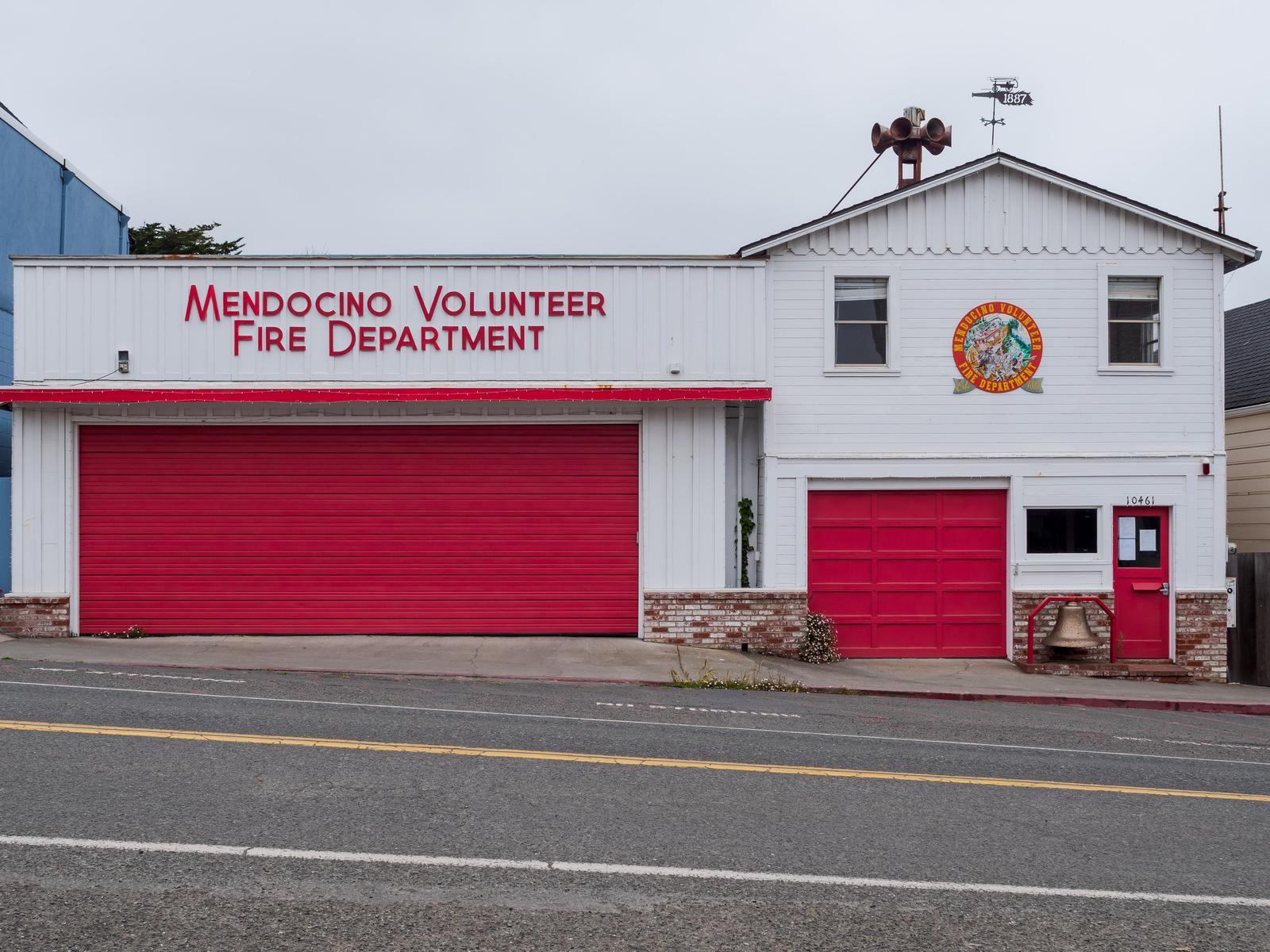
An accidental Wes Anderson moment 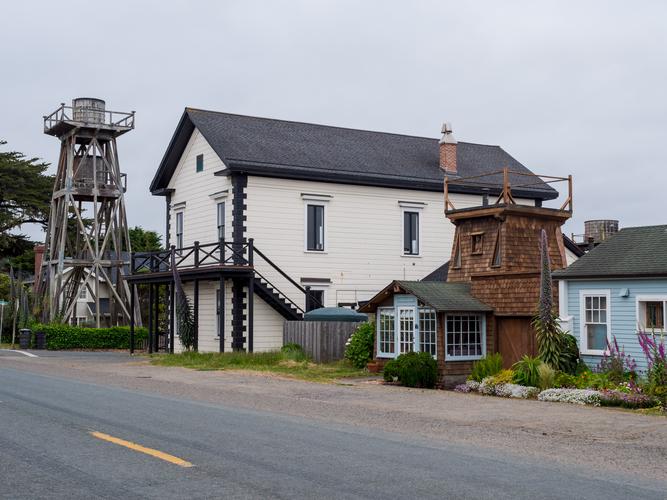
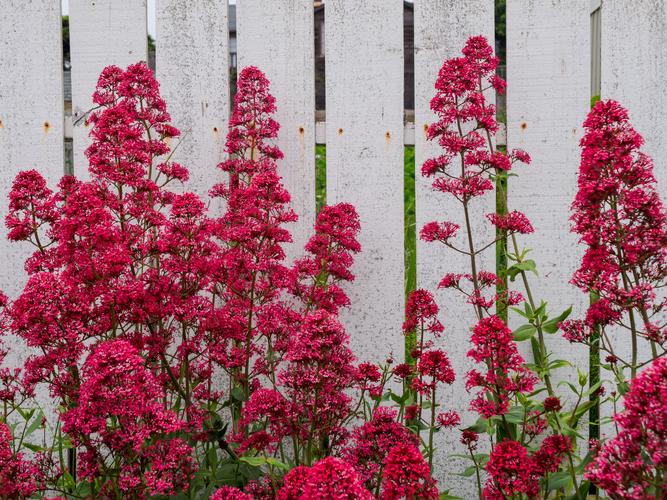


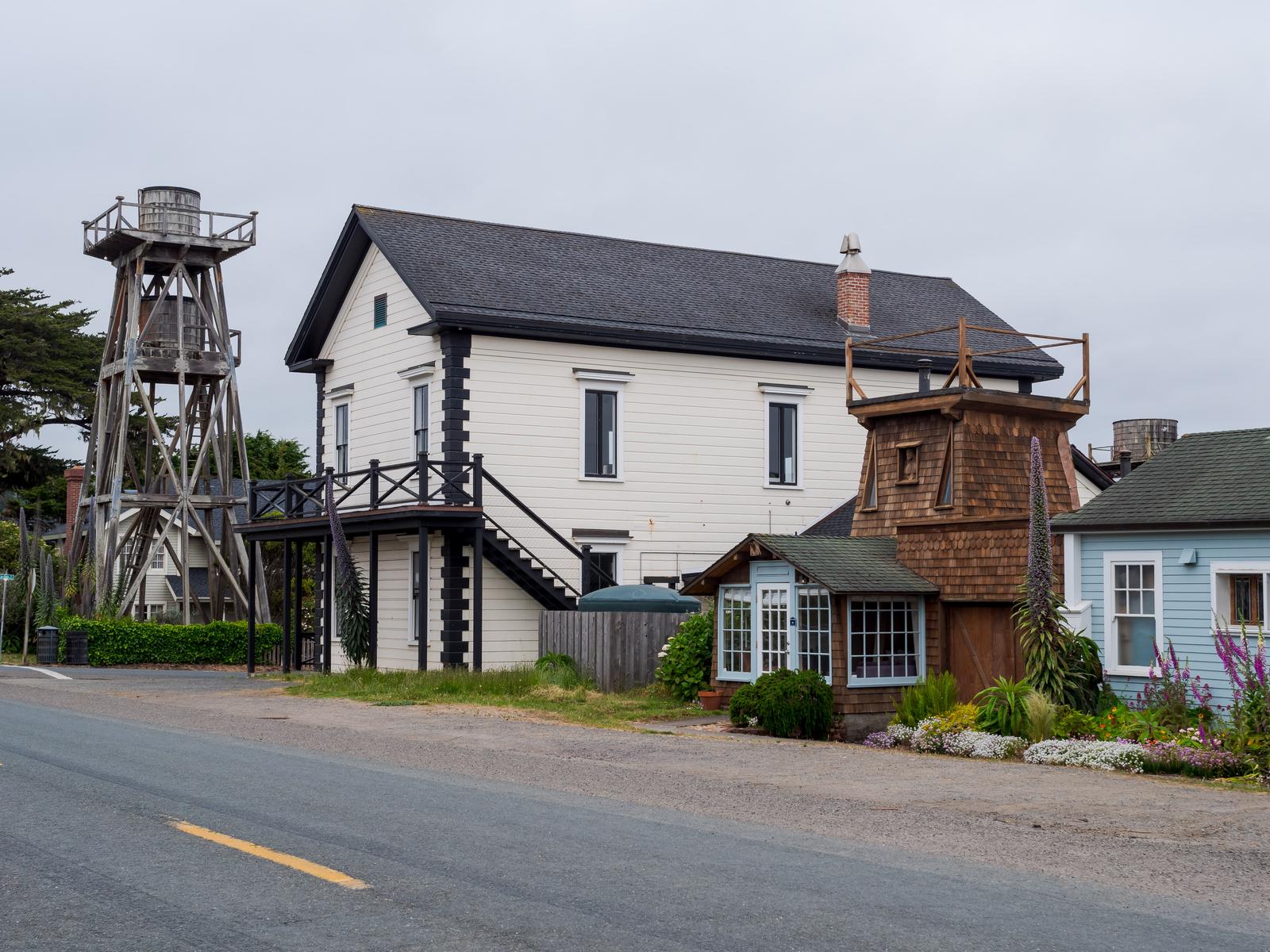
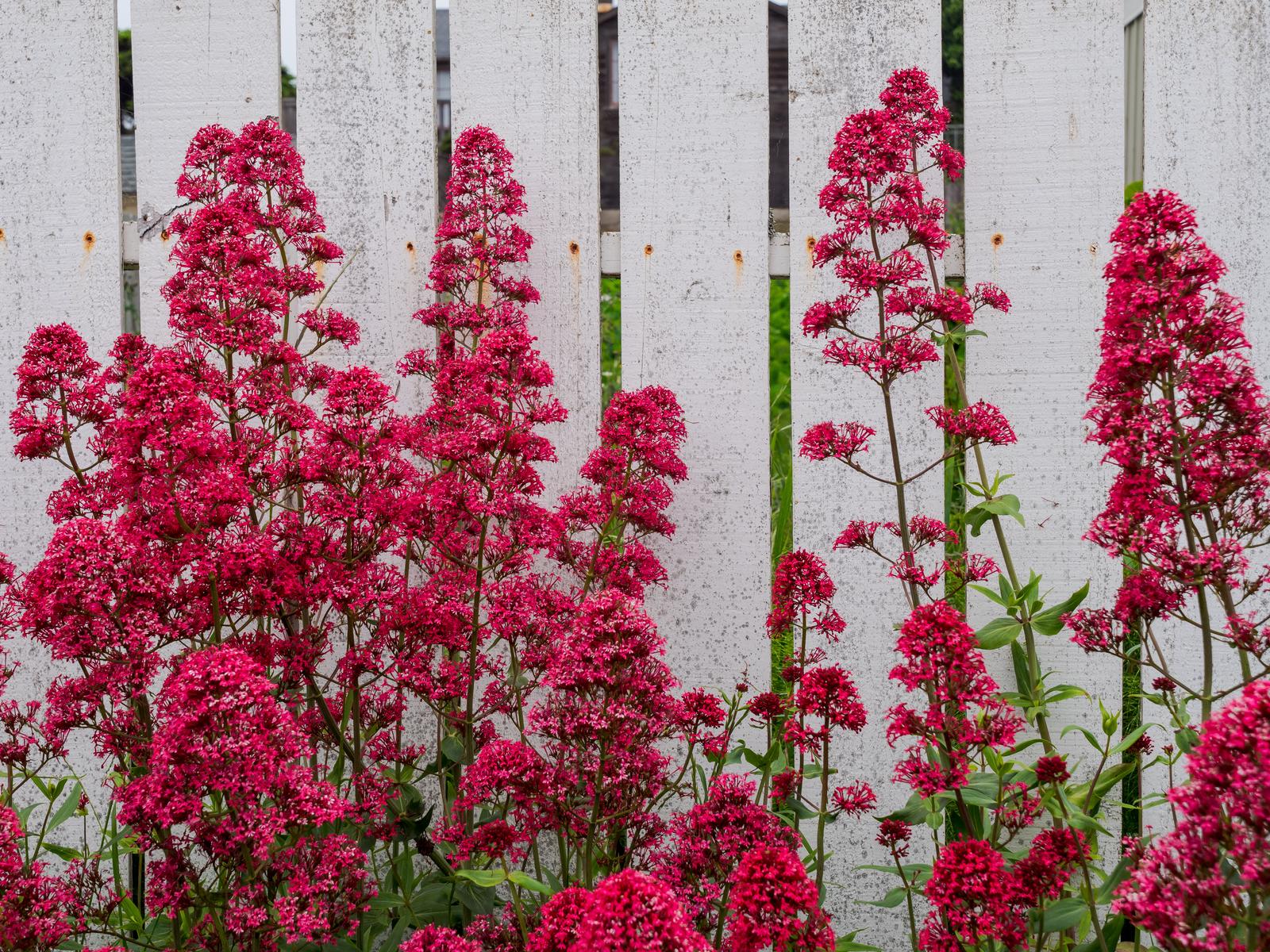
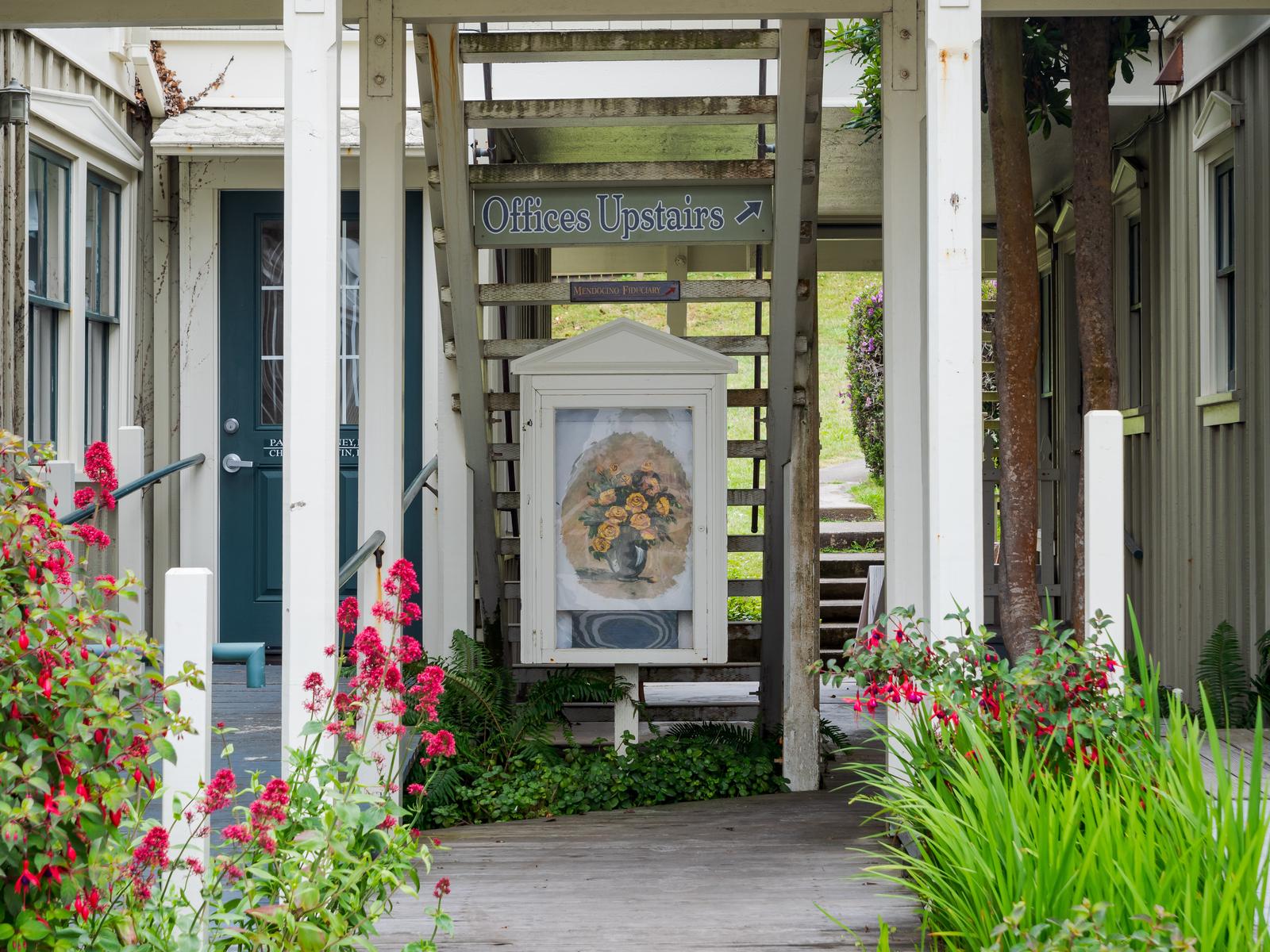
In this village of less than a quarter of a square kilometre, there are more than fifteen art galleries, exhibition halls and studios. The café owners where we had lunch were chatting with a local, who was telling them about his part in an upcoming concert at the local community centre. A former church, complete with preserved stained glass and American Gothic-style windows, has been converted into a shop selling organic food and cosmetics. A hundred metres further along, there’s a patisserie offering handmade cakes and sweets for $8 apiece (naturally, all organic). In the local supermarket, most of the stock is farm produce from California, alongside anything and everything bearing the word artisanal: sandwiches, crisps, kombucha, salads, beer, pastries, and of course, bread.
The one glaring problem in Mendocino is coffee. Specialist coffee shops close after lunch, and at a swanky restaurant a $6 cappuccino took fifteen minutes to make—after which we were asked whether we wanted it “dry” or “wet”. We hesitated, then guessed “dry”. It turned out to be a tiny splash of coffee under a massive blob of foam. If you want a cappuccino with a healthy person’s dose of milk, you have to order it “wet”.
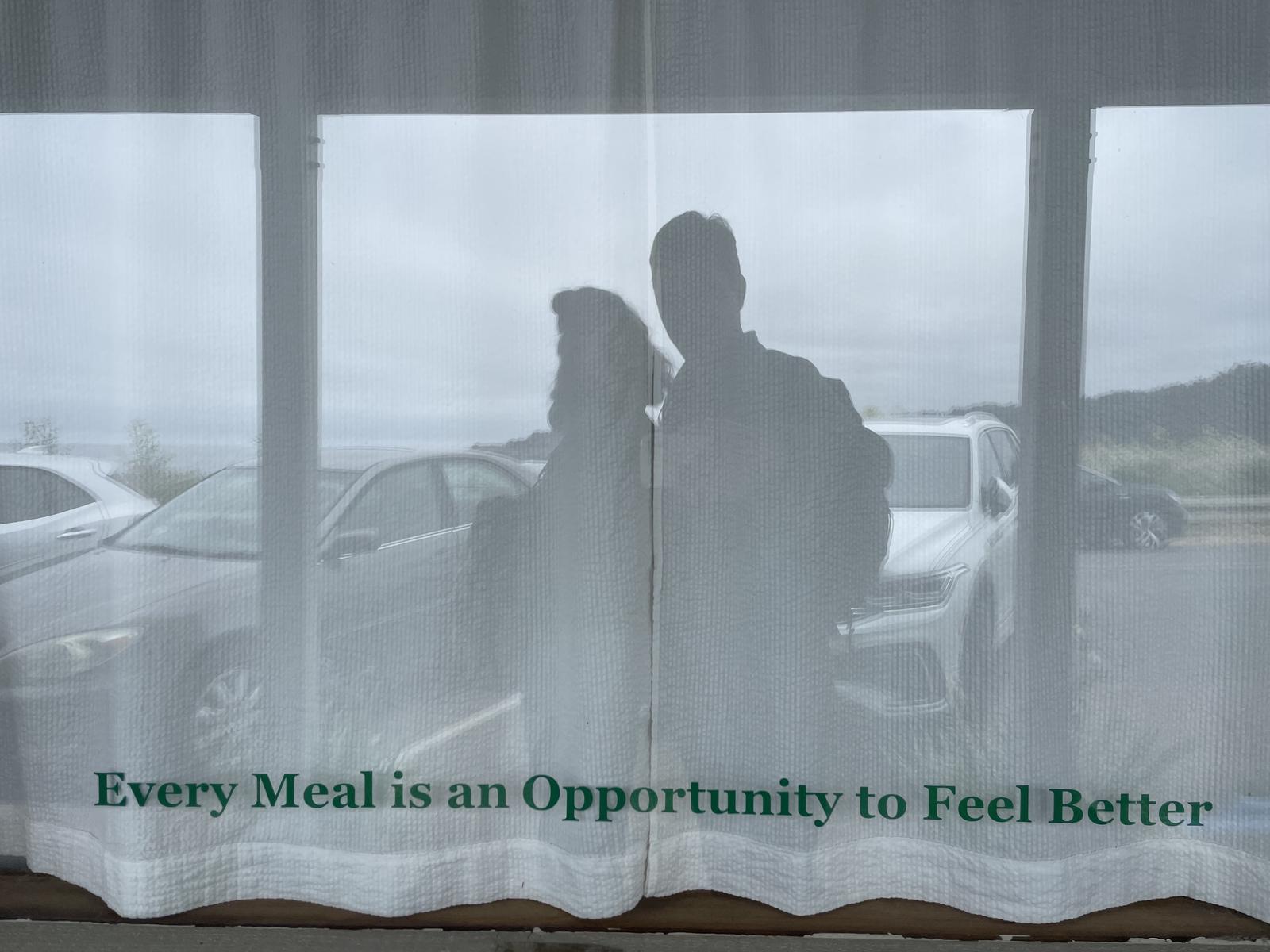
We did, however, finally get to try a proper Californian lobster roll here—half the price of the ones in San Francisco.
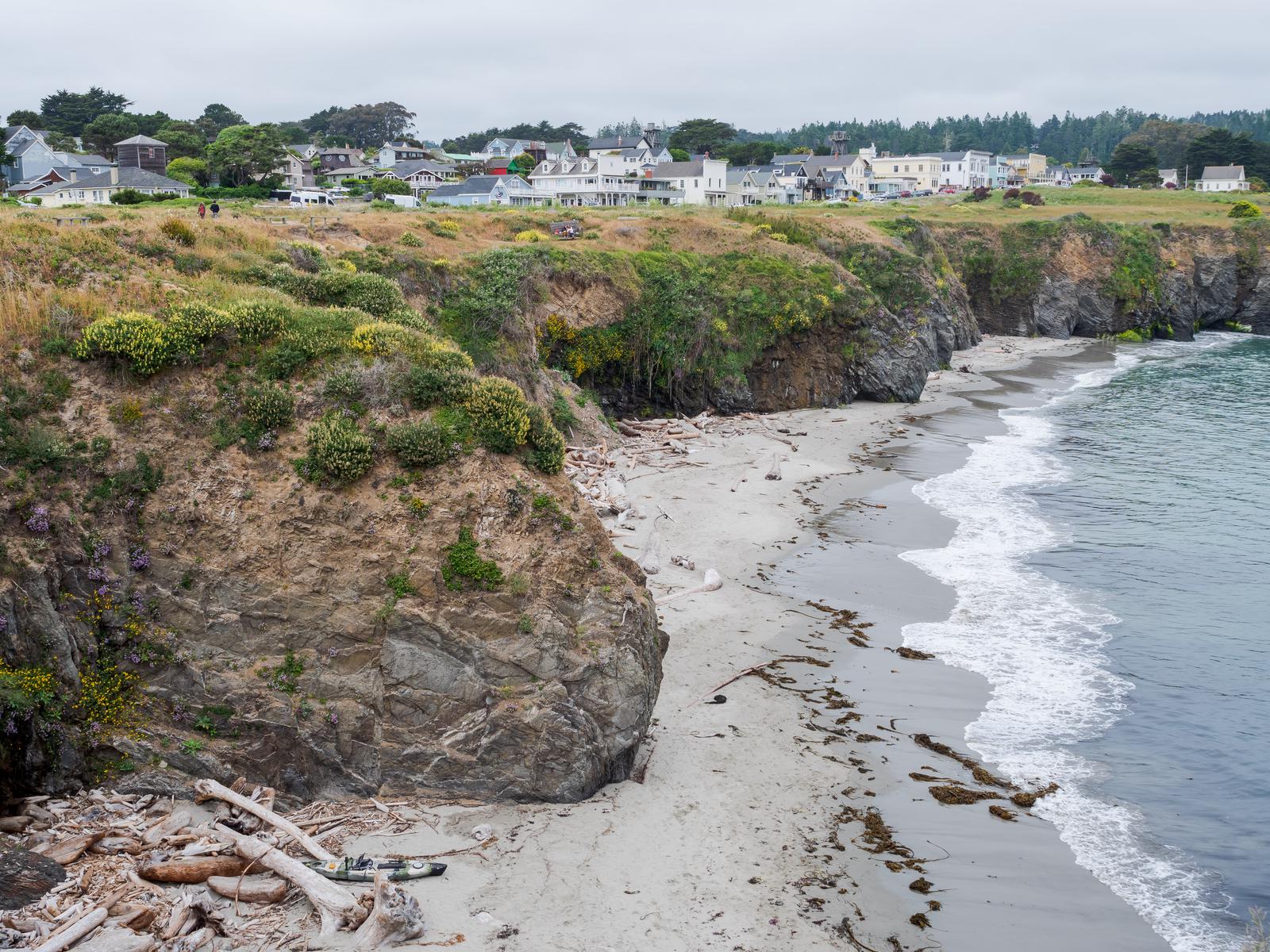
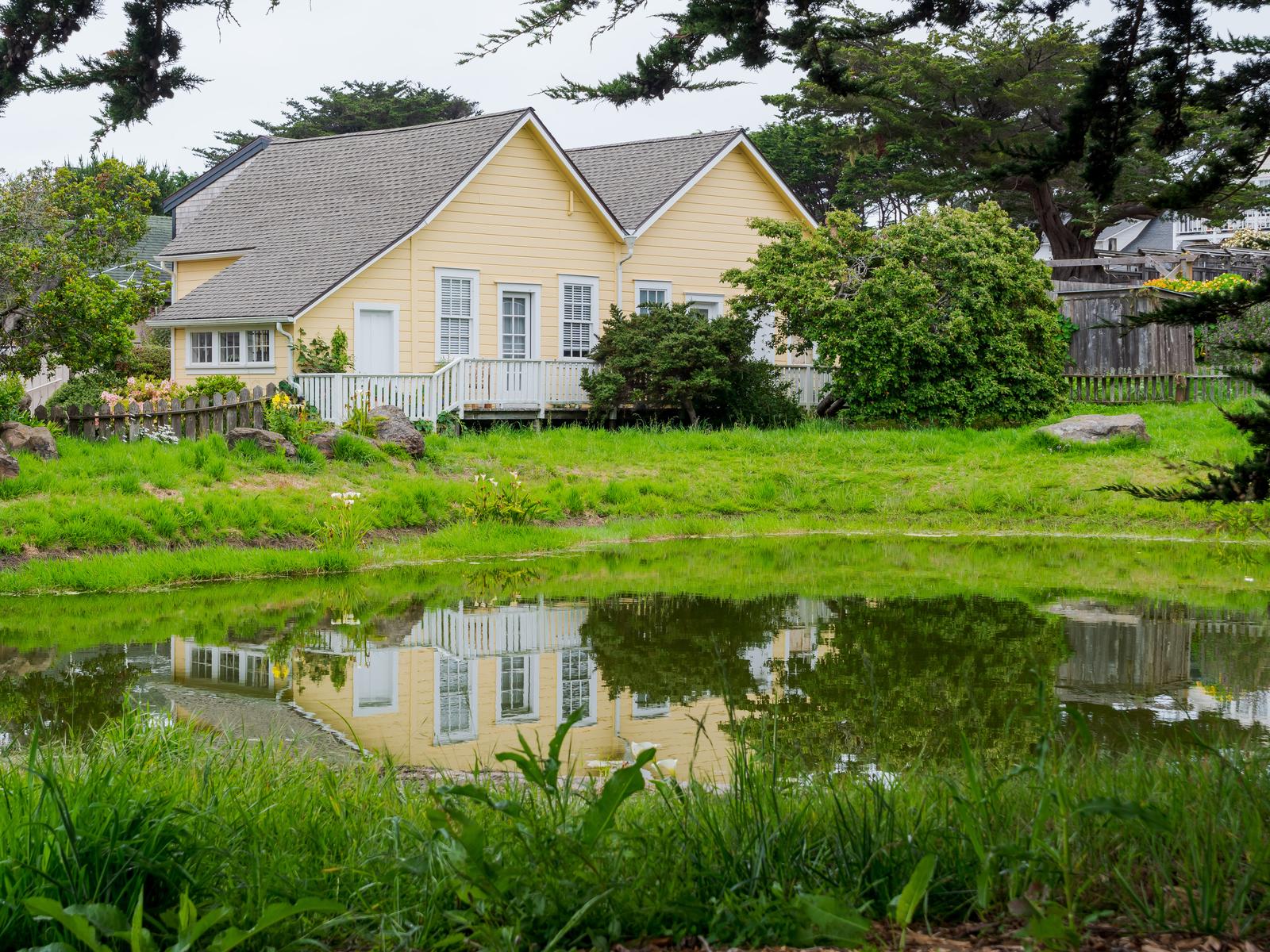
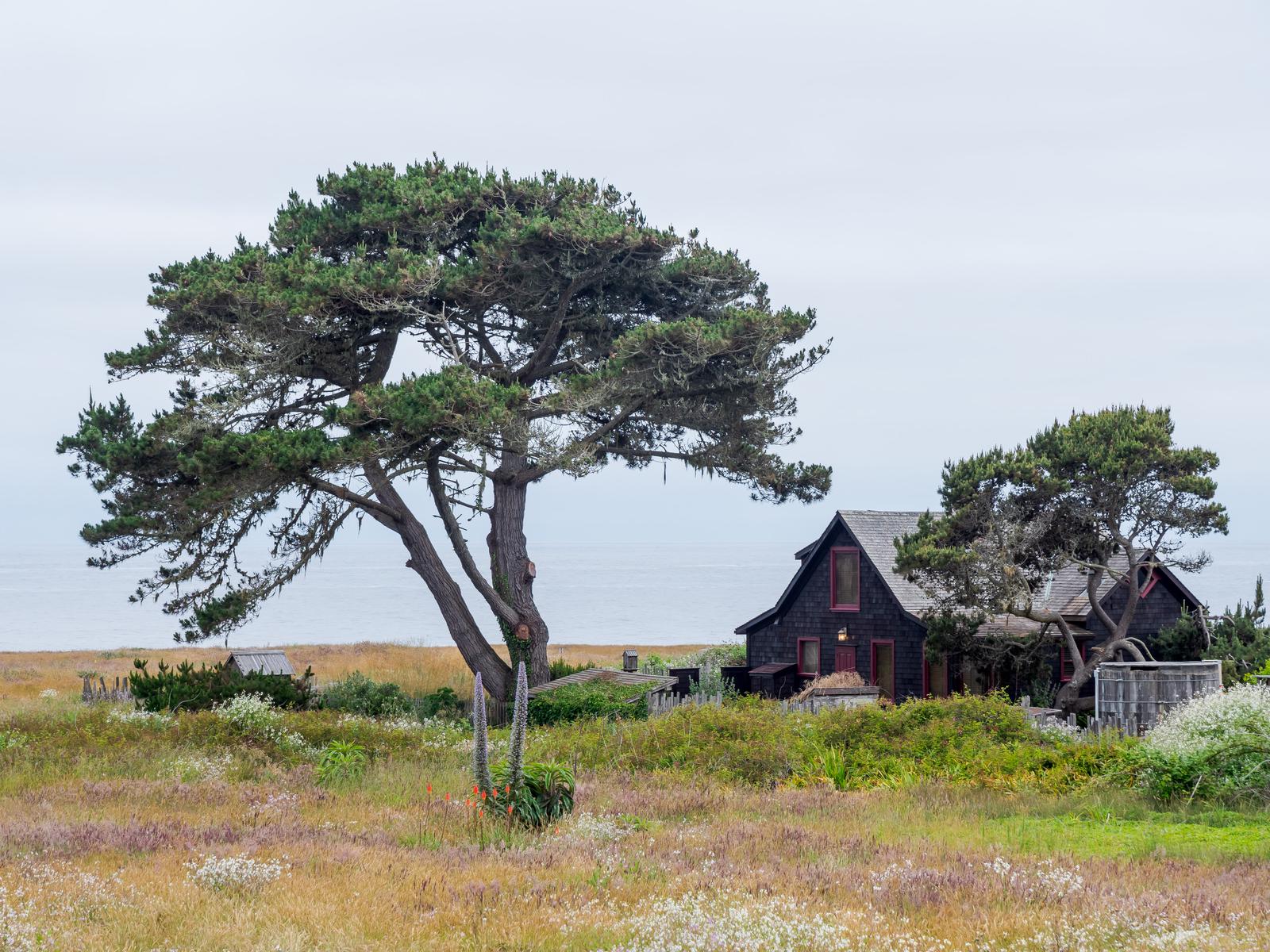
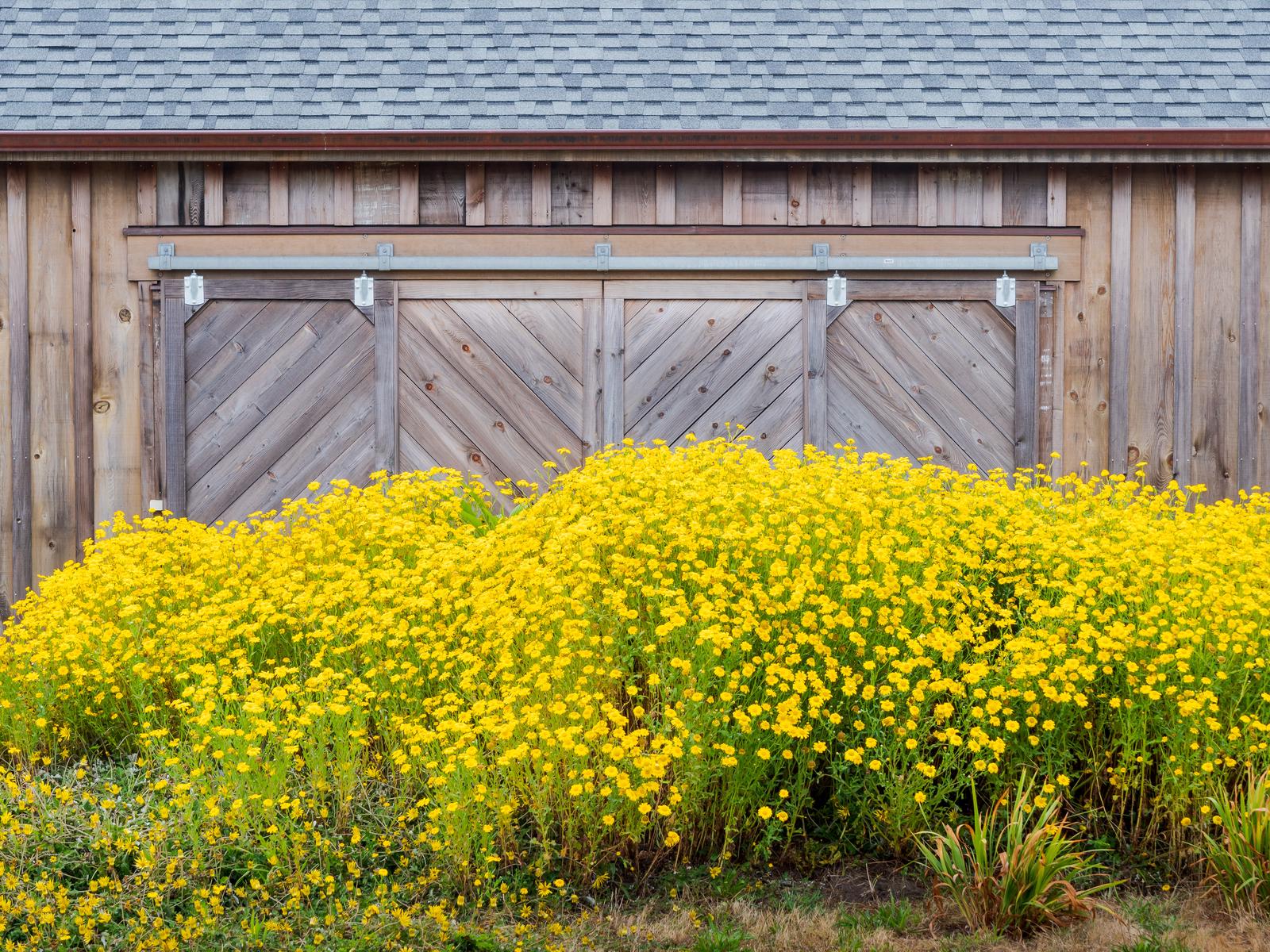
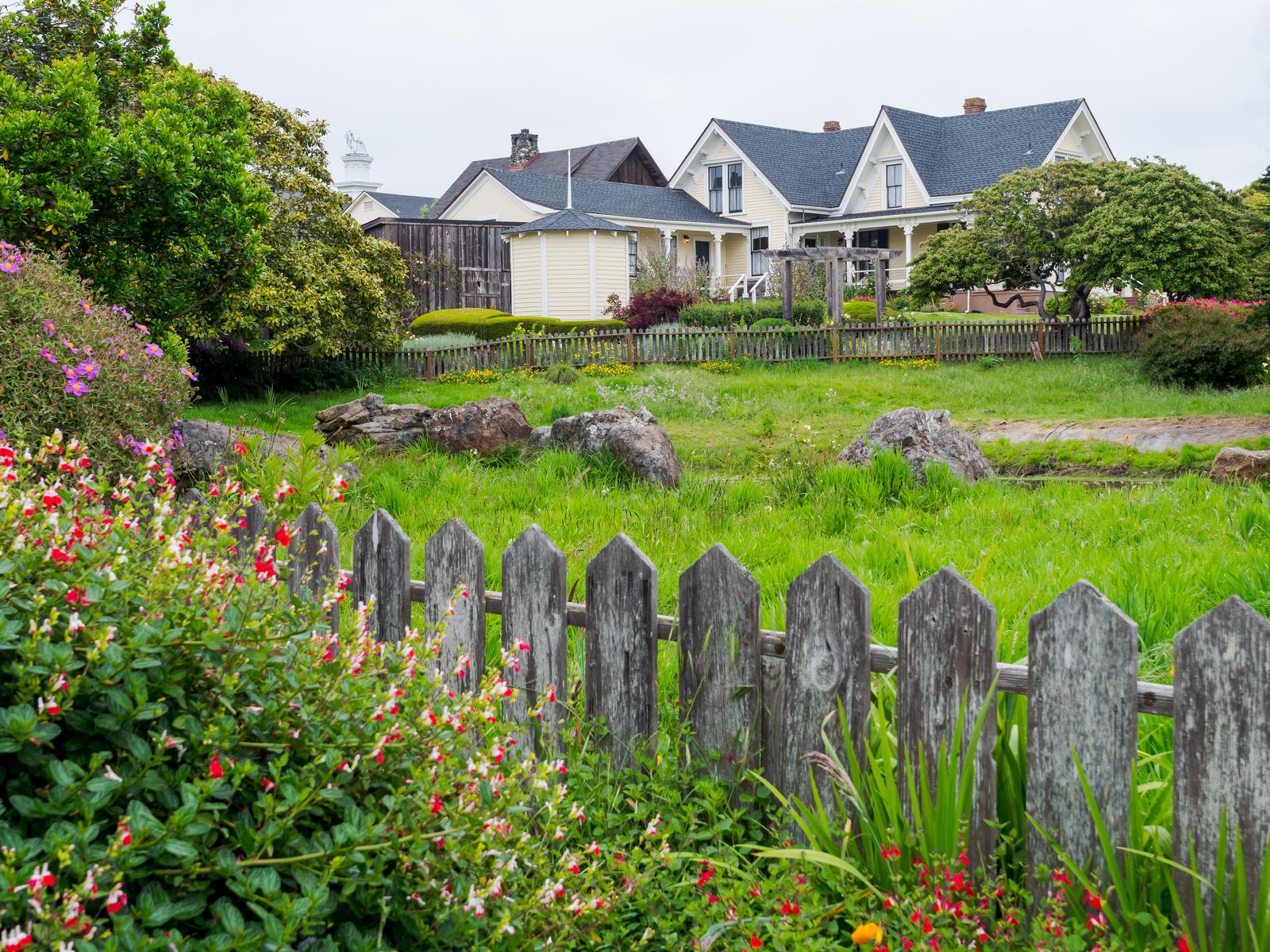
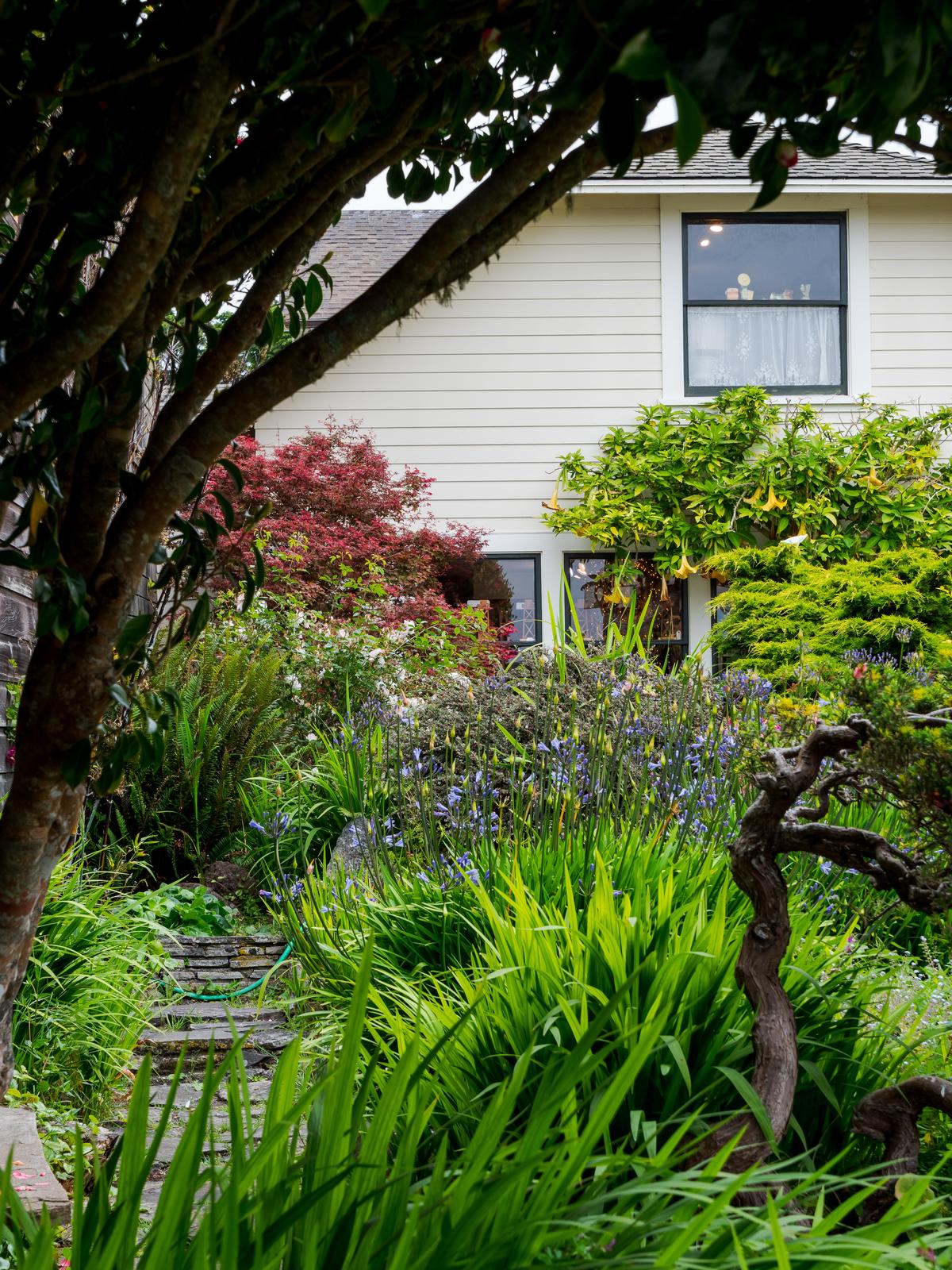
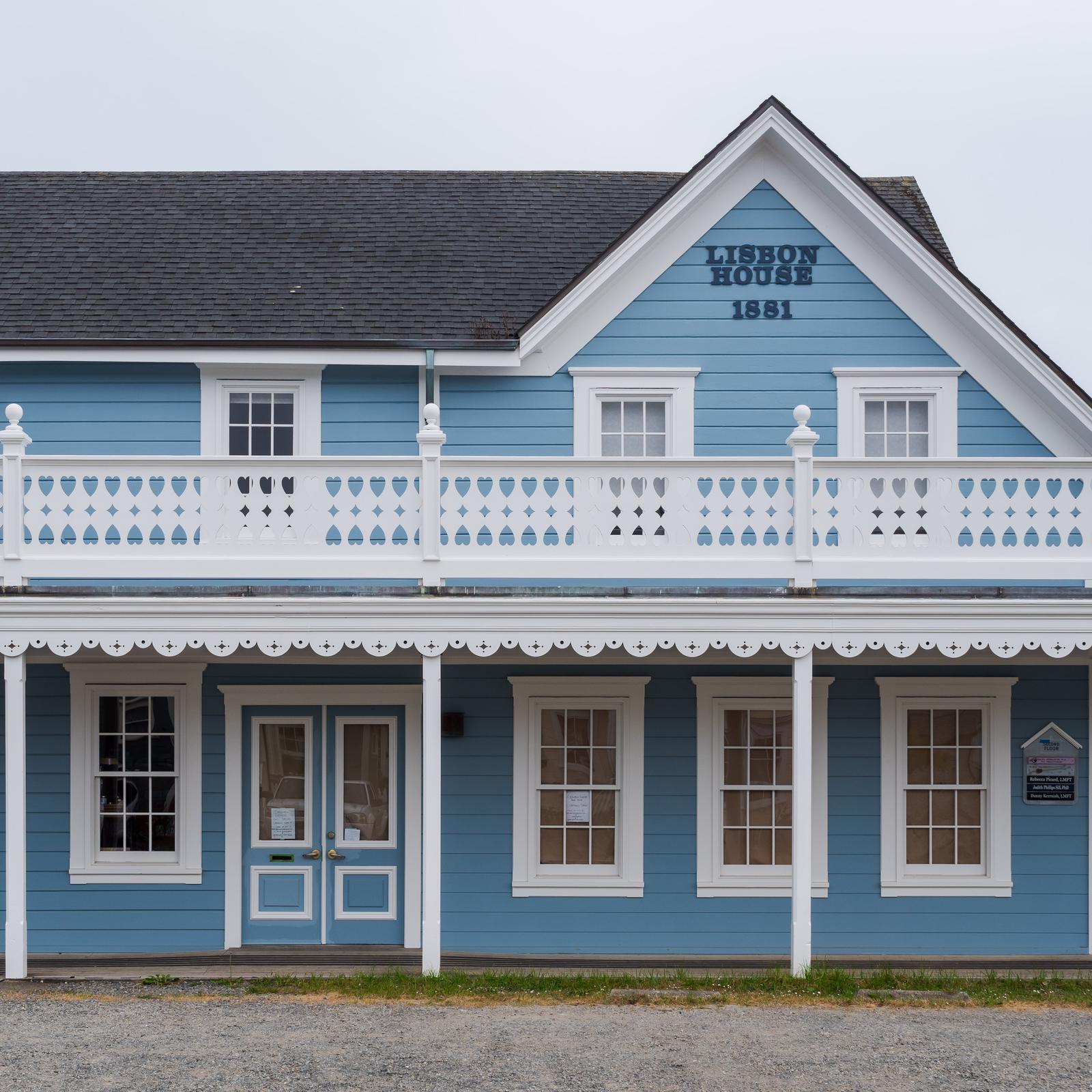
For some reason, it was here in Mendocino that I was repeatedly overcome by the feeling I’d found myself in some sort of “heavenly Russia”—the kind that was never fated to exist in our reality but thrives in a parallel world. Neat wooden houses with well‑kept, blooming front gardens, occasional low fences, a water tower on the edge of the village—this is how villages and dacha settlements might have looked in an alternative Russia without revolution or two world wars.
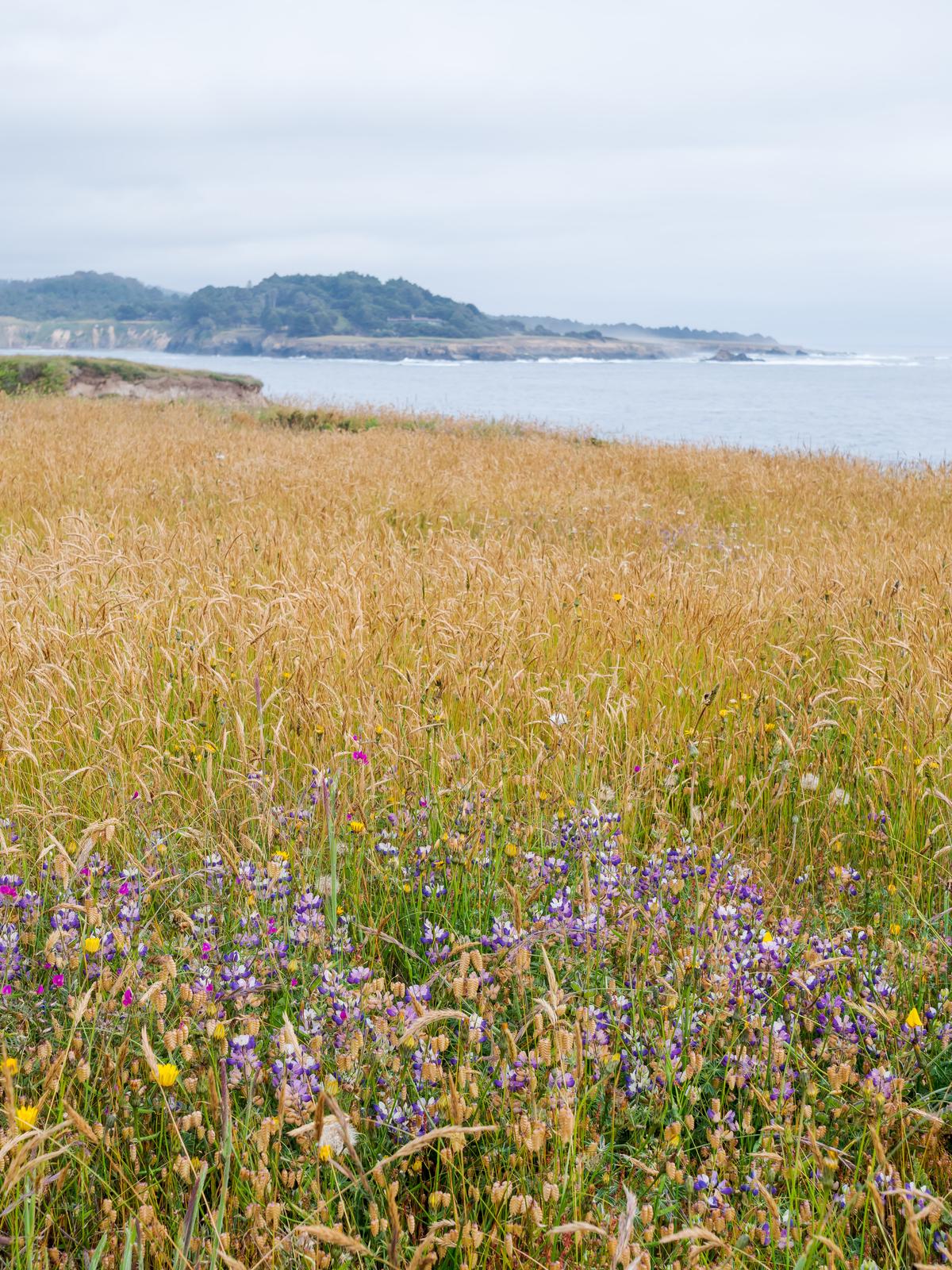
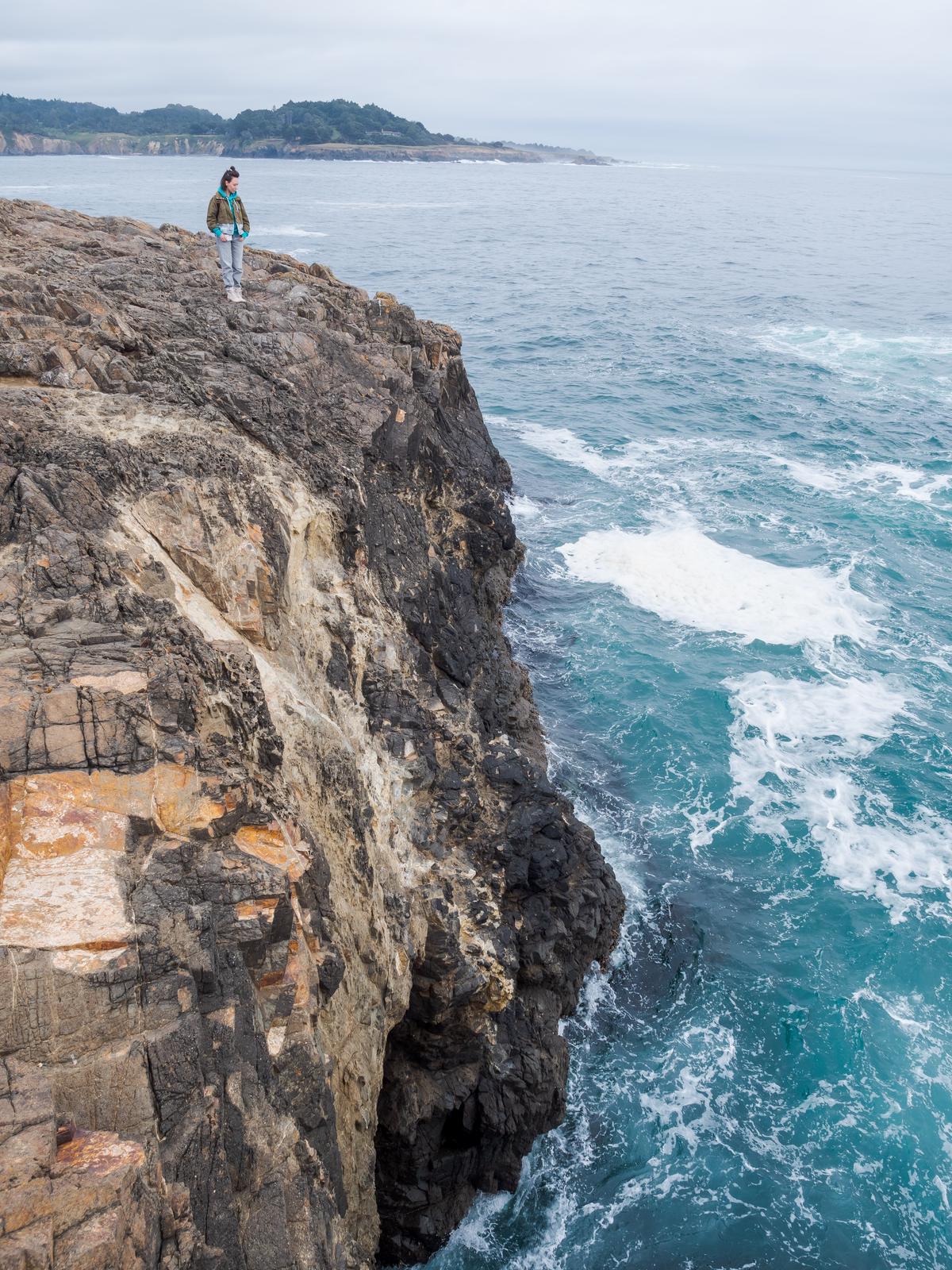

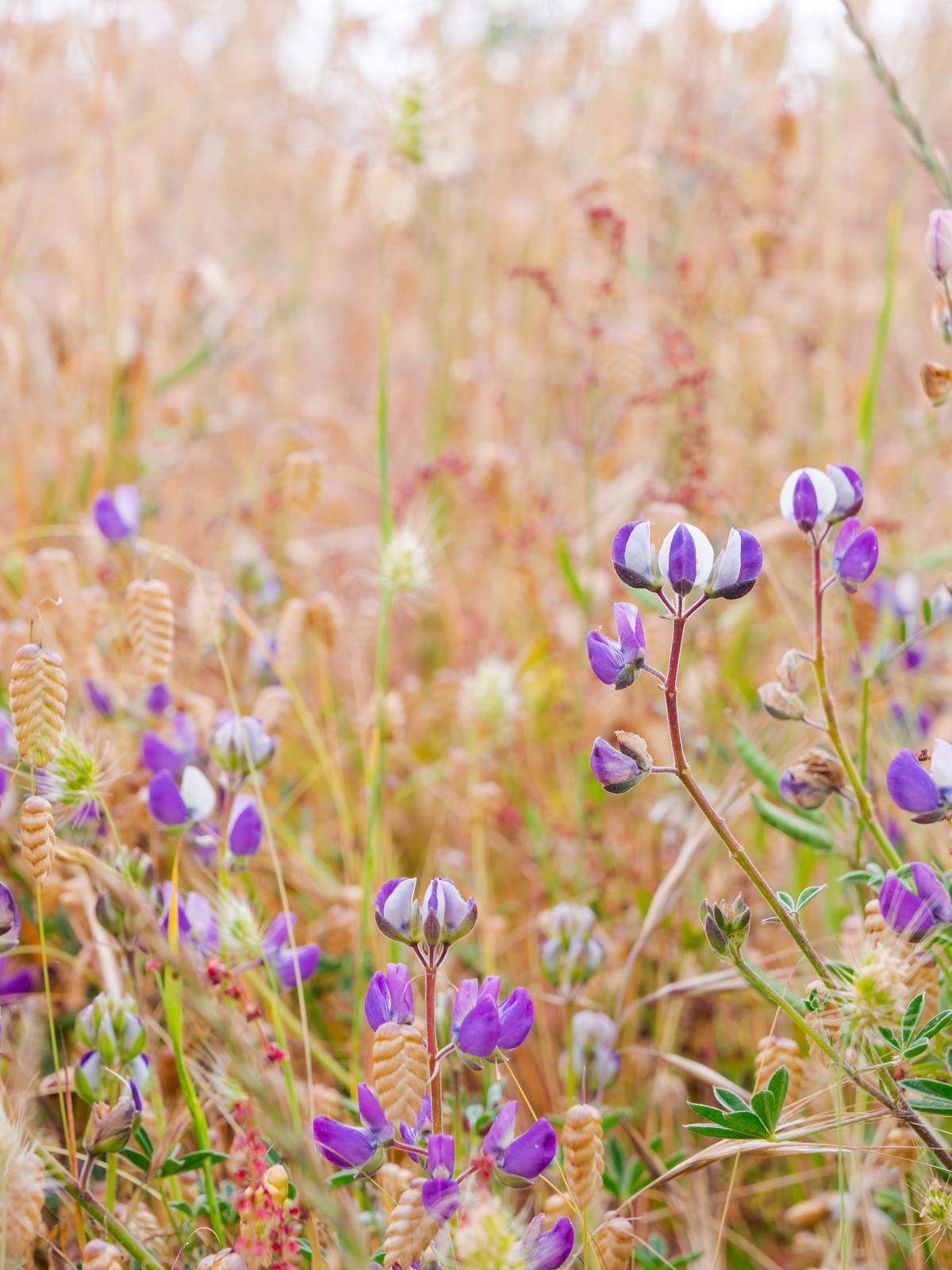
Between the village outskirts and the ocean lies a field of wildflowers and grasses, some taller than a person. Beyond it, the cliff edge and the endless roar of the waves. For Natasha, the field recalled the dream of the protagonist in The Catcher in the Rye:
You see, I keep picturing all these little kids playing some game in this big field of rye and all. Thousands of little kids, and nobody’s around—nobody big, I mean—except me. And I’m standing on the edge of some crazy cliff. What I have to do, I have to catch everybody if they start to go over the cliff—I mean if they’re running and they don’t look where they’re going I have to come out from somewhere and catch them. That’s all I’d do all day. I’d just be the catcher in the rye.
J.D. Salinger, “The Catcher in the Rye”
I don’t know if Salinger ever set foot in Mendocino, but he did type those lines on a Royal-brand typewriter.