Cannon Beach – Twin Peaks
After a couple of days in Portland and its surroundings, we decided we’d earned a little beach time and headed for Cannon Beach—a small town on the ocean with a long sandy stretch of the same name.
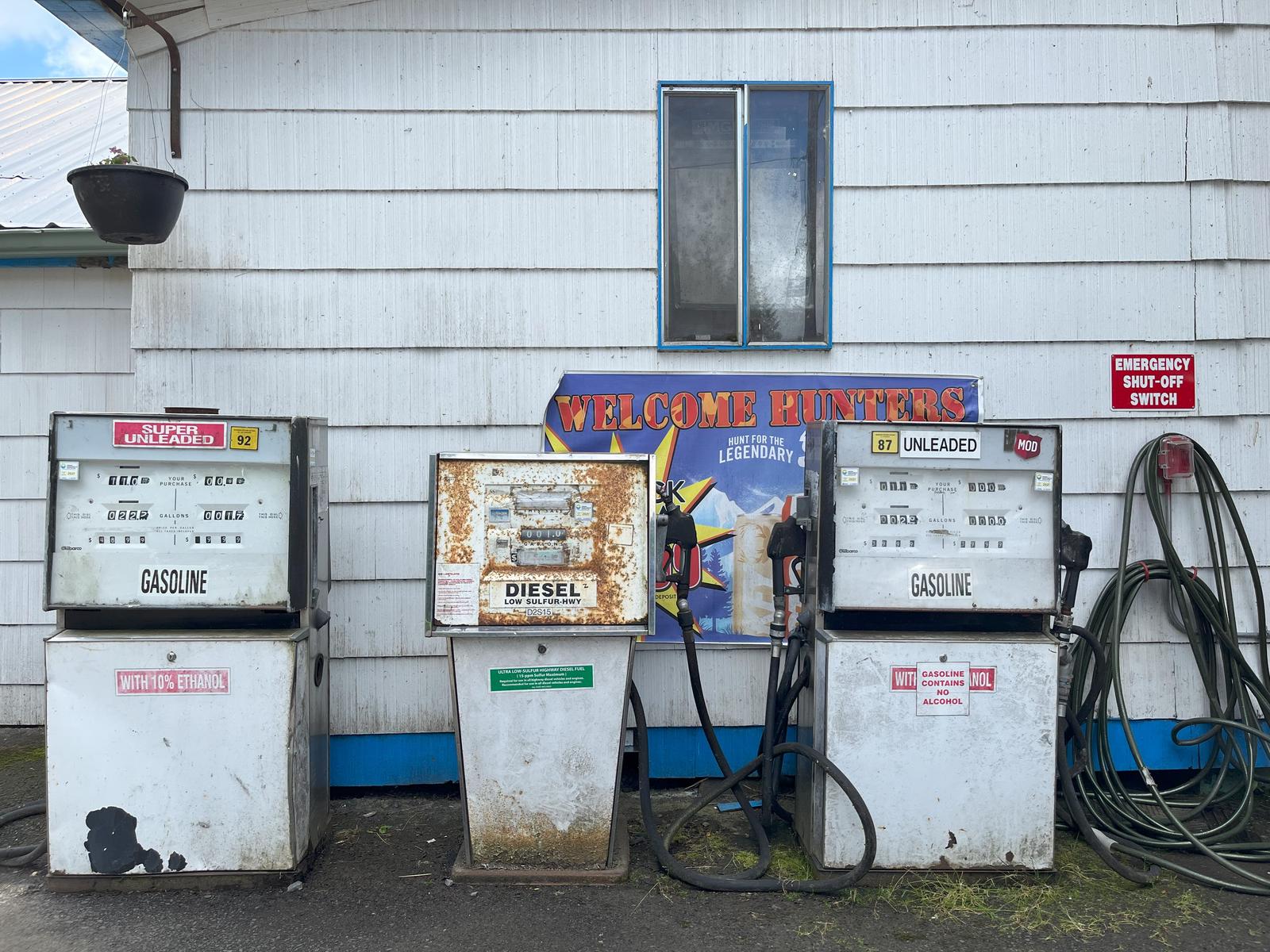
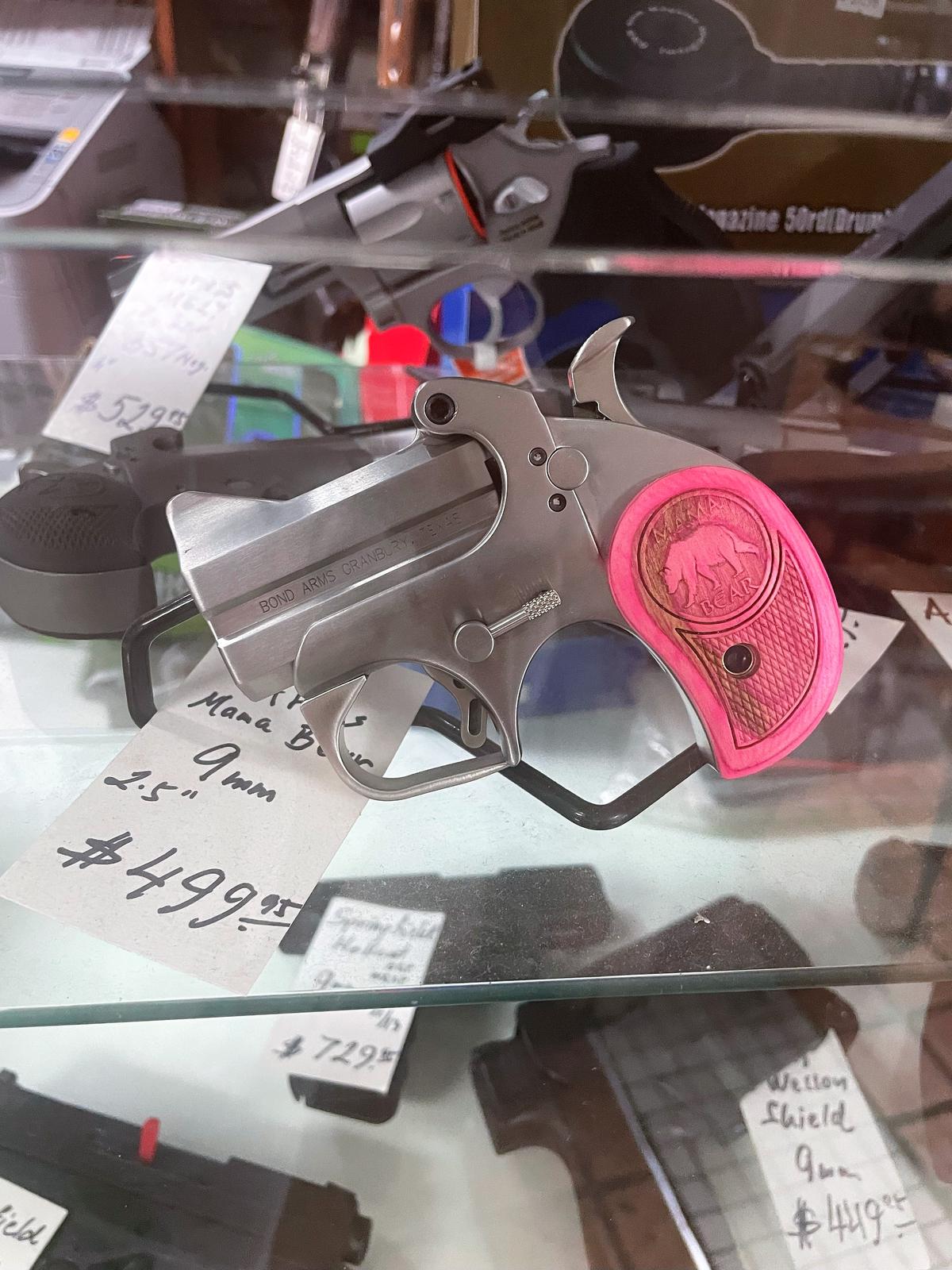
On the way, we stopped at the most colourful petrol station of the entire trip. In a wooden building sat a small, empty café, right in the middle of which lay an enormous, phlegmatic dog. Coffee here cost $1, self‑served from a chrome urn into a disposable polystyrene (!) cup. Next door was a shop with the usual road‑trip snacks and supplies—plus, in a glass display case, an extensive selection of firearms, from shotguns to a pistol with a pink grip that Natasha took quite a shine to.
Cannon Beach
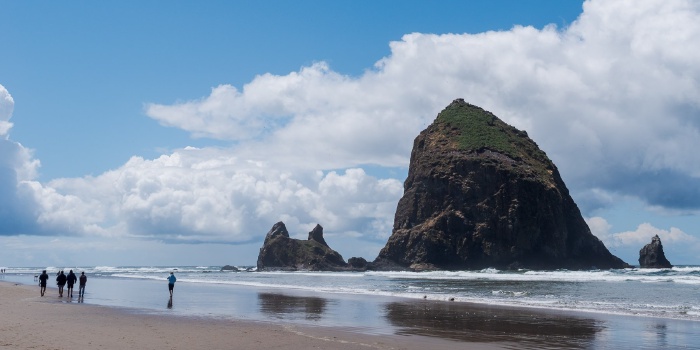
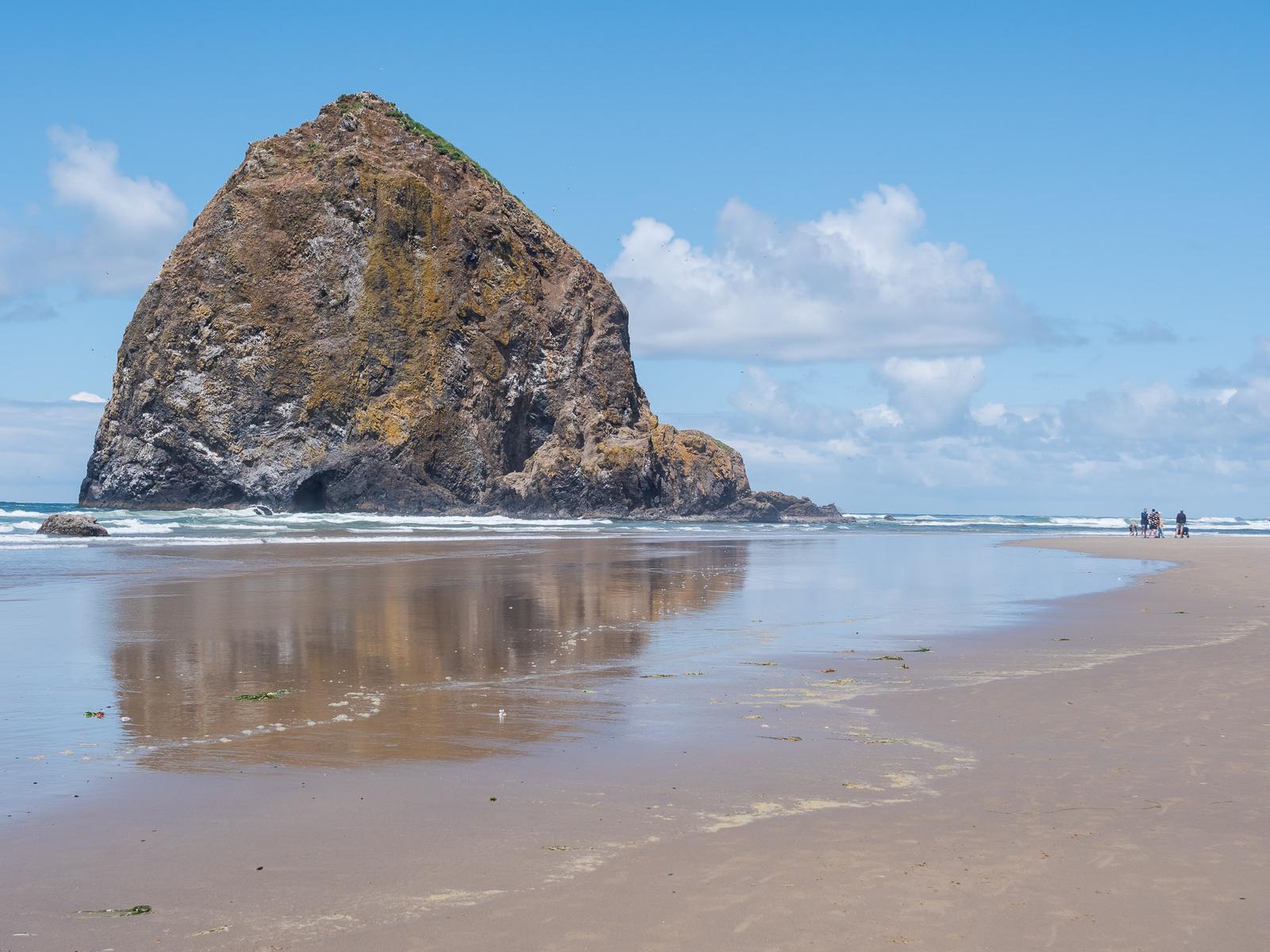
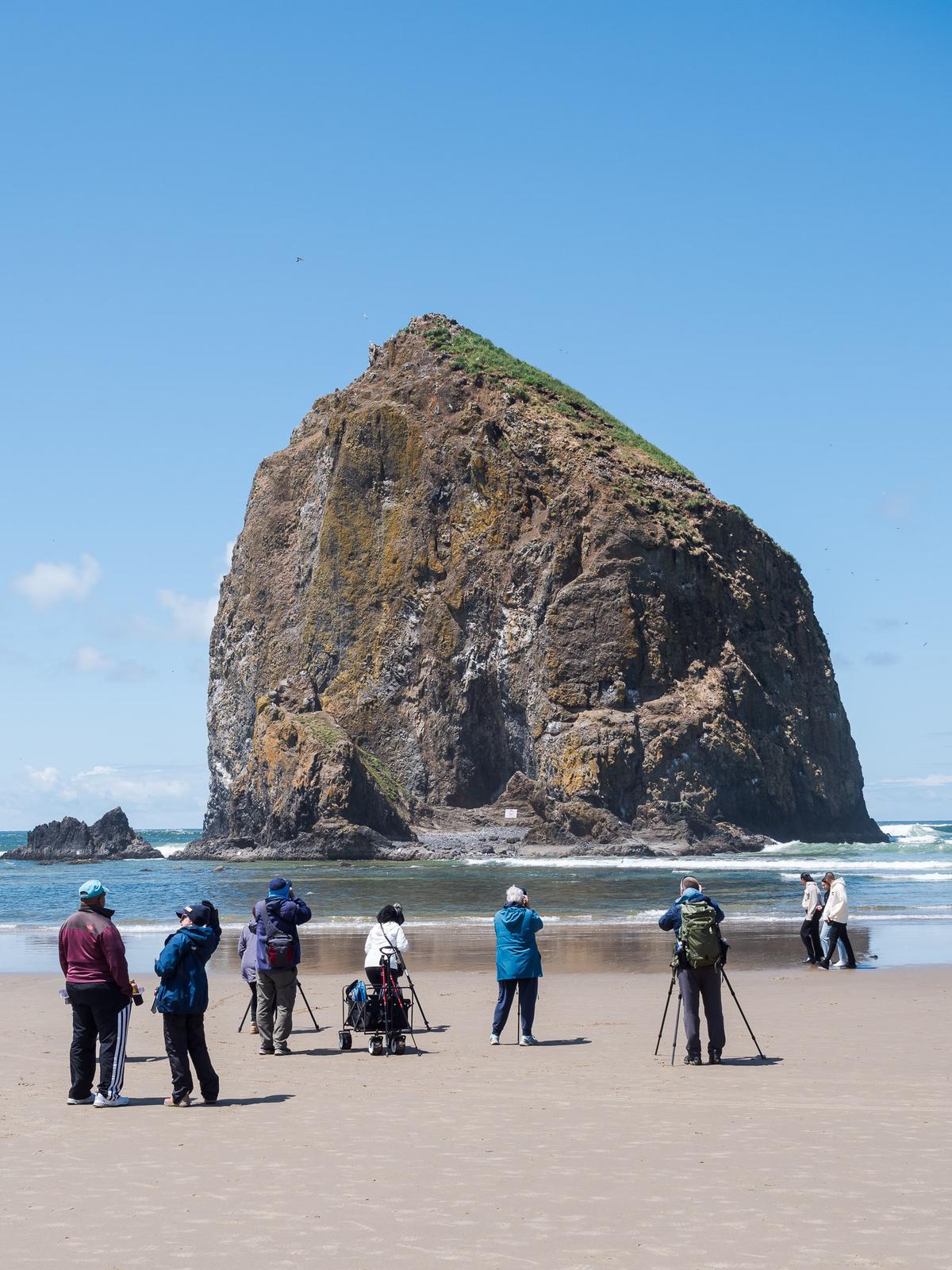
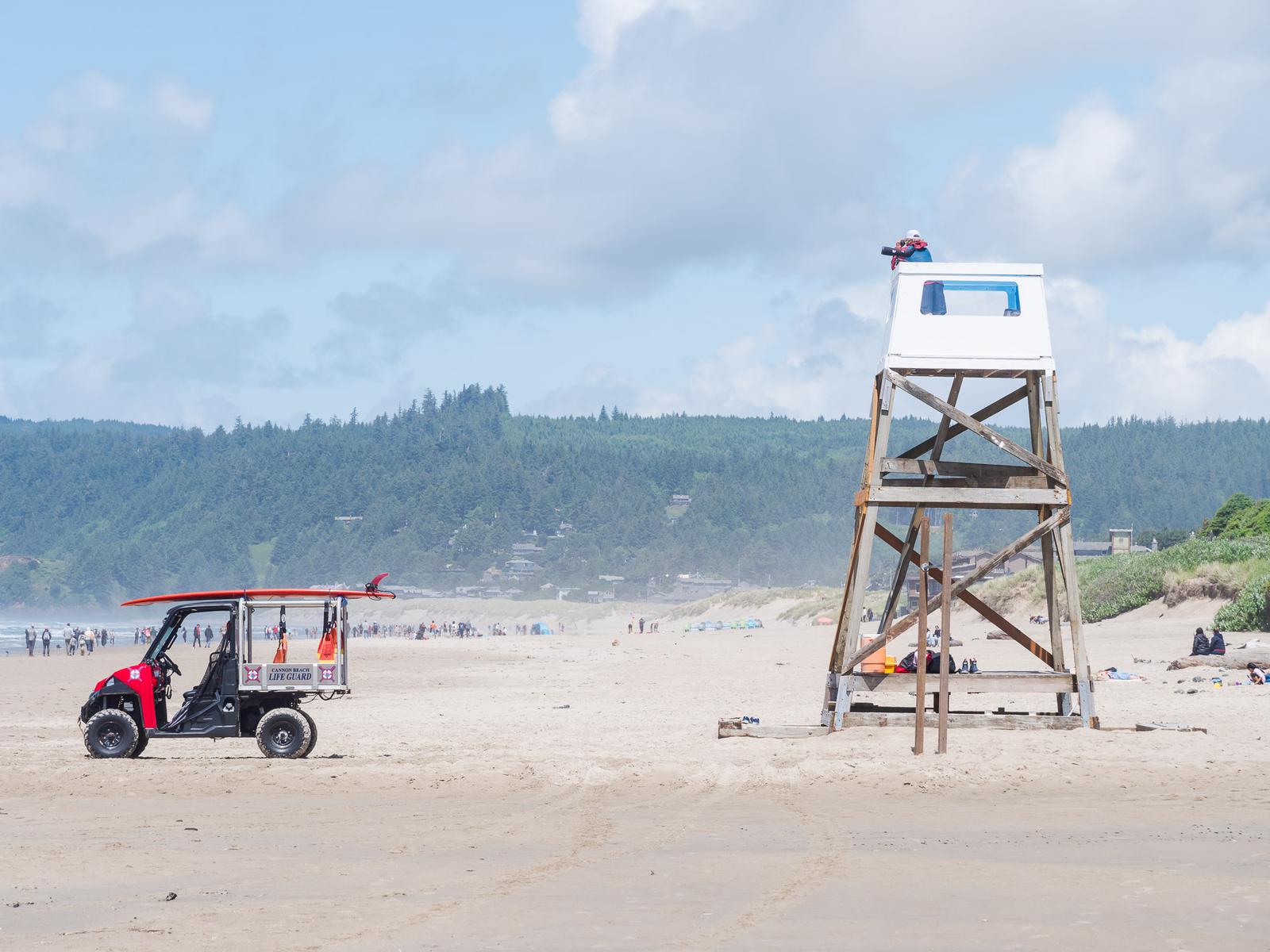
Cannon Beach is a sandy strip more than 12 km long on the Atlantic coast. Aside from its impressive length, it’s famed for Haystack Rock, a dramatic sea stack rising from the water at one end. At low tide, you can walk out to it, though it’s discouraged so as not to disturb the colony of seabirds that call it home.
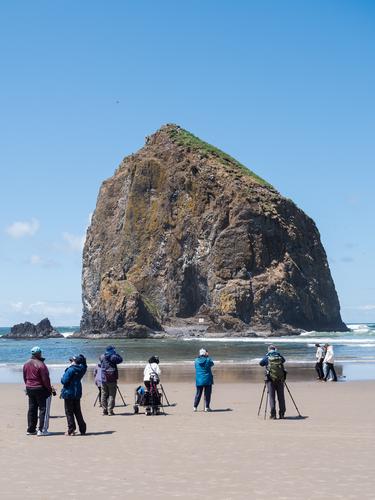
Facing the rock was a group of people with folding chairs and telescopes—local volunteers inviting passers‑by to watch puffins nesting on the rock. Every so often, exclamations rang out from the onlookers: bald eagles would make strafing runs on the colony, and the plucky puffins—teamed up with gulls—would drive them off. From the crowd’s cheerful shouts, they seemed to be succeeding.
Bird‑watchers 
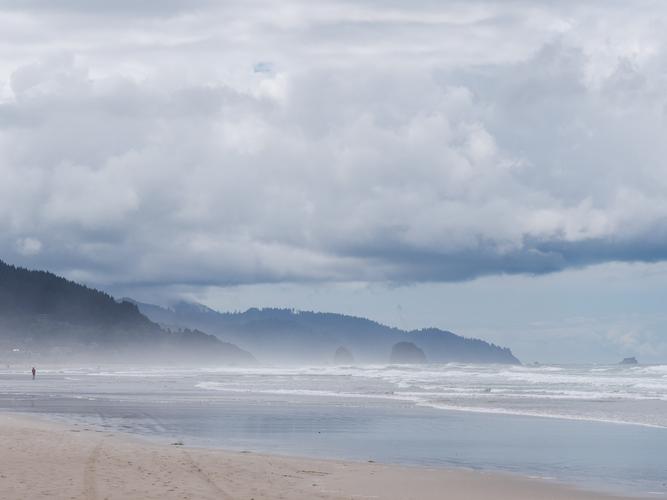
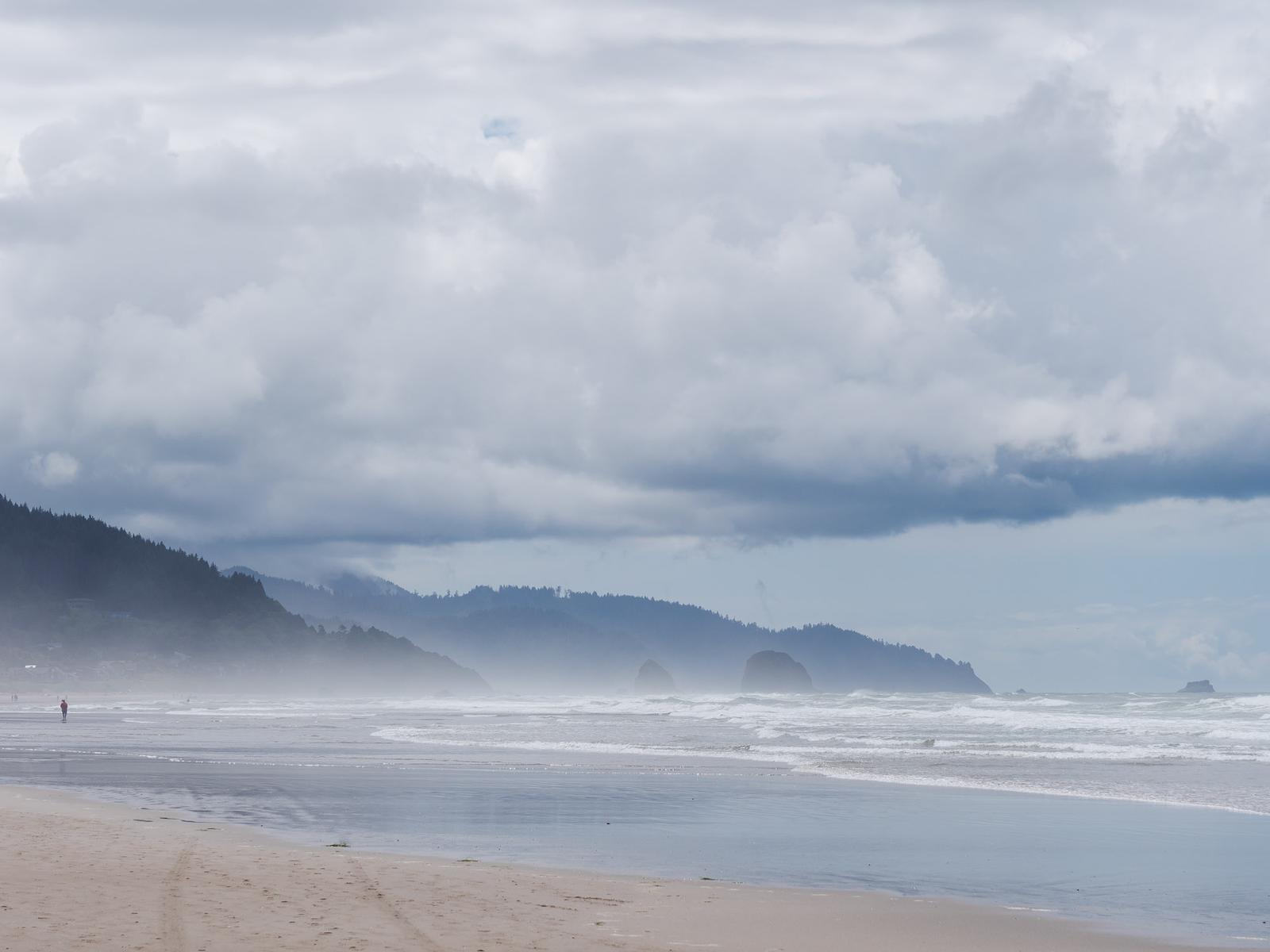
Still, beautiful
After more strolling, hunger set in, so we headed to one of the local seafood chain restaurants. Sadly, nearly all the fish, prawns, and so forth came battered. Unlike Ireland—where air‑frying is increasingly popular—this place went old‑school, deep‑frying everything in oil. Very greasy, but pretty tasty. The surprise highlight was an oyster shot: an oyster with vinegar and ketchup (!) in a shot glass.
We were refused alcohol—our server asked for a photo ID (the original, not a phone copy), and our driving licences were back in the car. A pity, as the menu included a mysterious “white Zinfandel” (until then, I’d thought Zinfandel was, by definition, red).
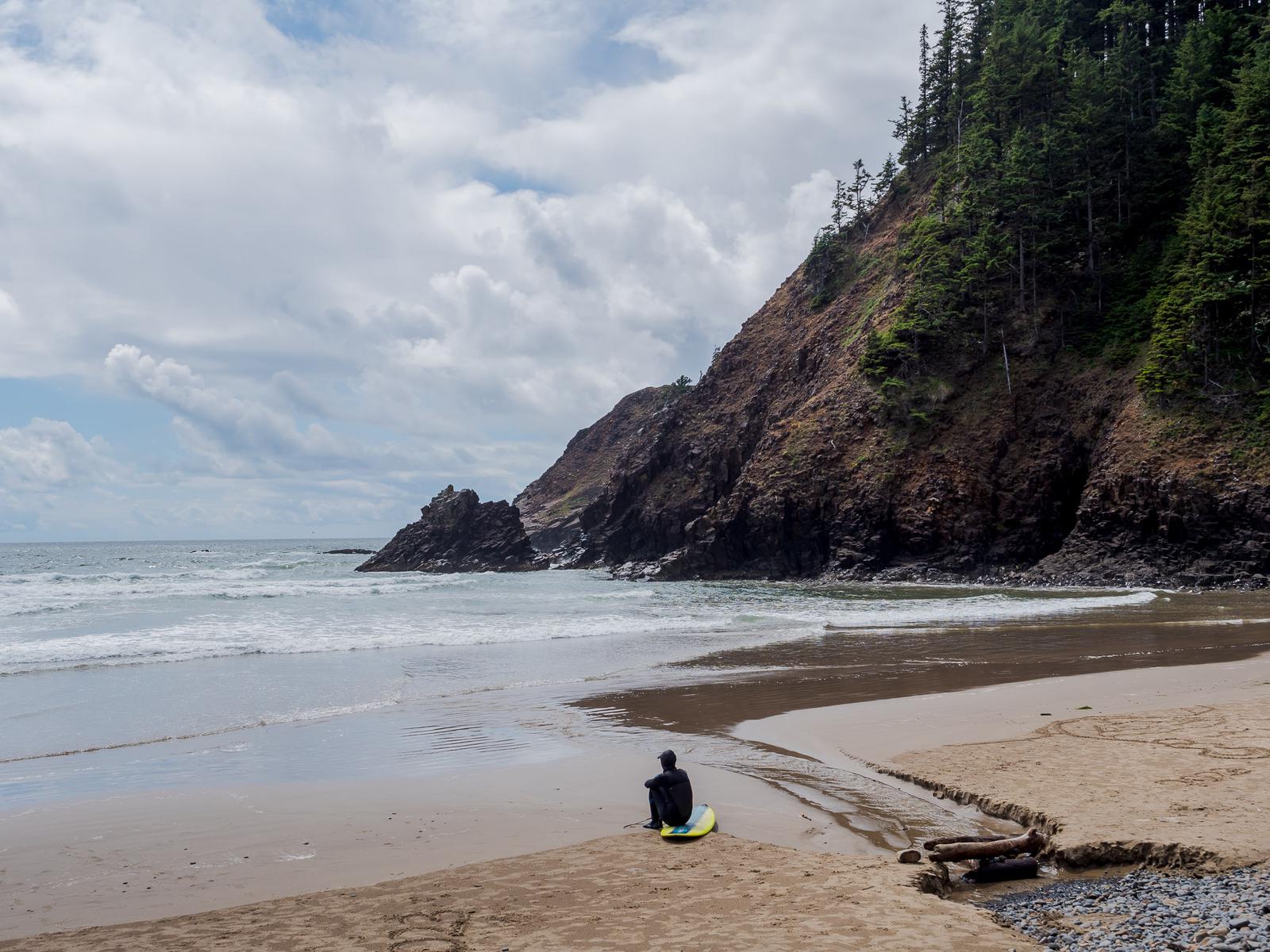
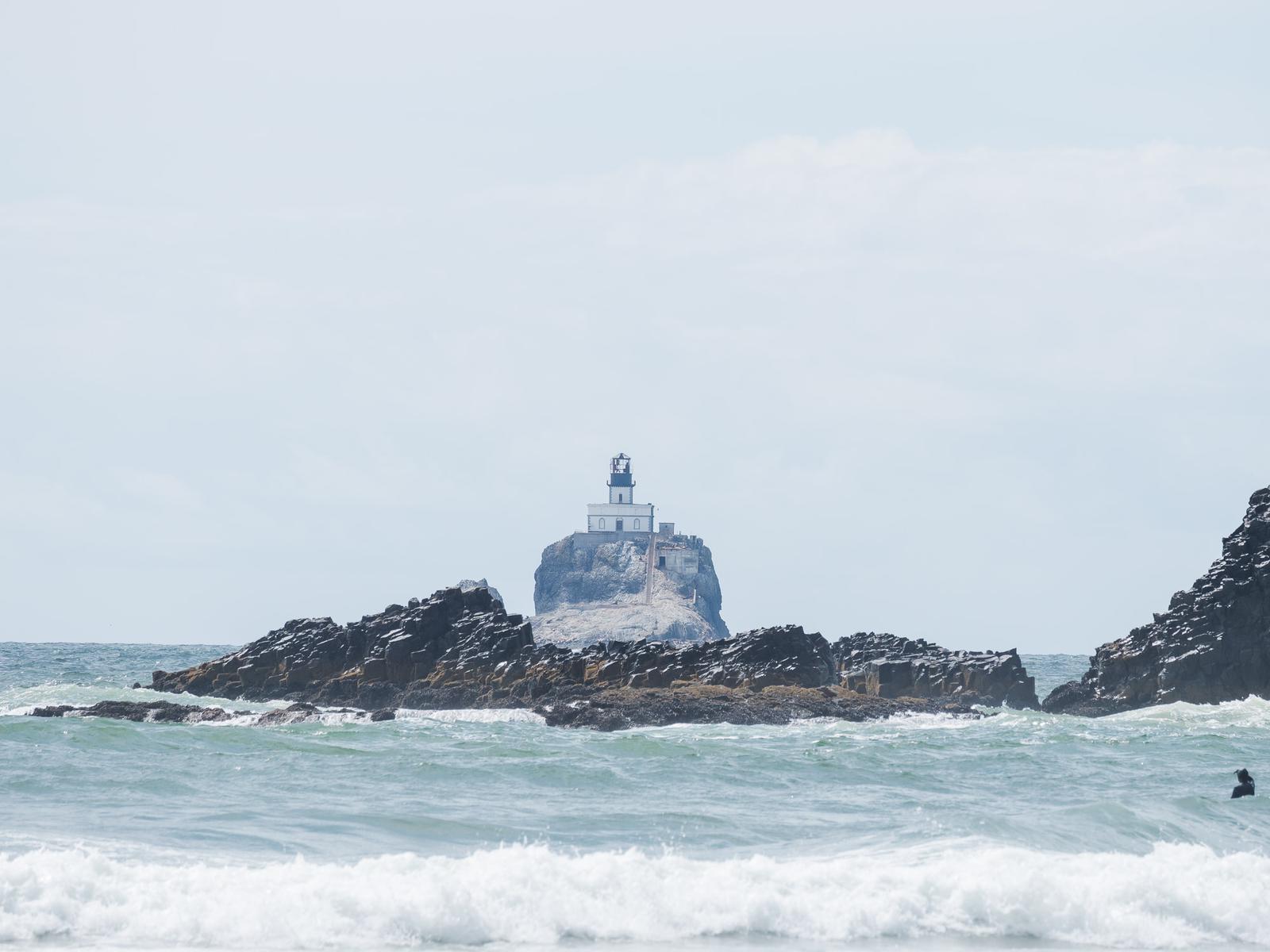
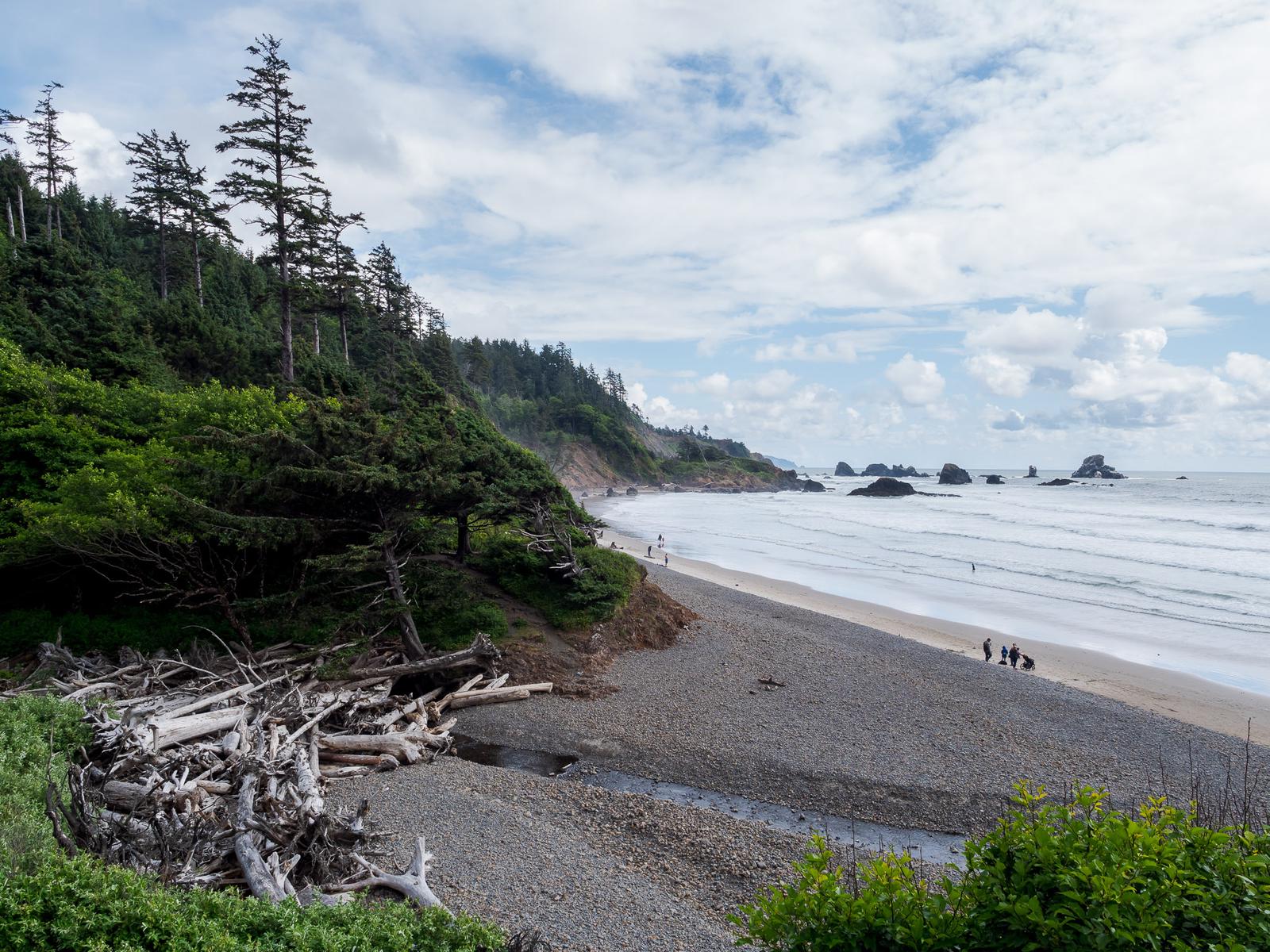
About fifteen minutes’ drive north of Cannon lies another beach, equally—if not more—famous: Indian Beach. Its claim to fame is that the scene in Twilight where Bella realises Jacob is a werewolf was filmed here. In the story, though, the setting is another beach—La Push—which, incidentally, isn’t far away, in Washington State. It’s complicated.
Indian Beach is much smaller and cosier than Cannon: flanked by cliffs, backed by forest, and with a lighthouse visible on the horizon. A pleasant spot, but after four years living on an island, I catch myself thinking “just another beach.”
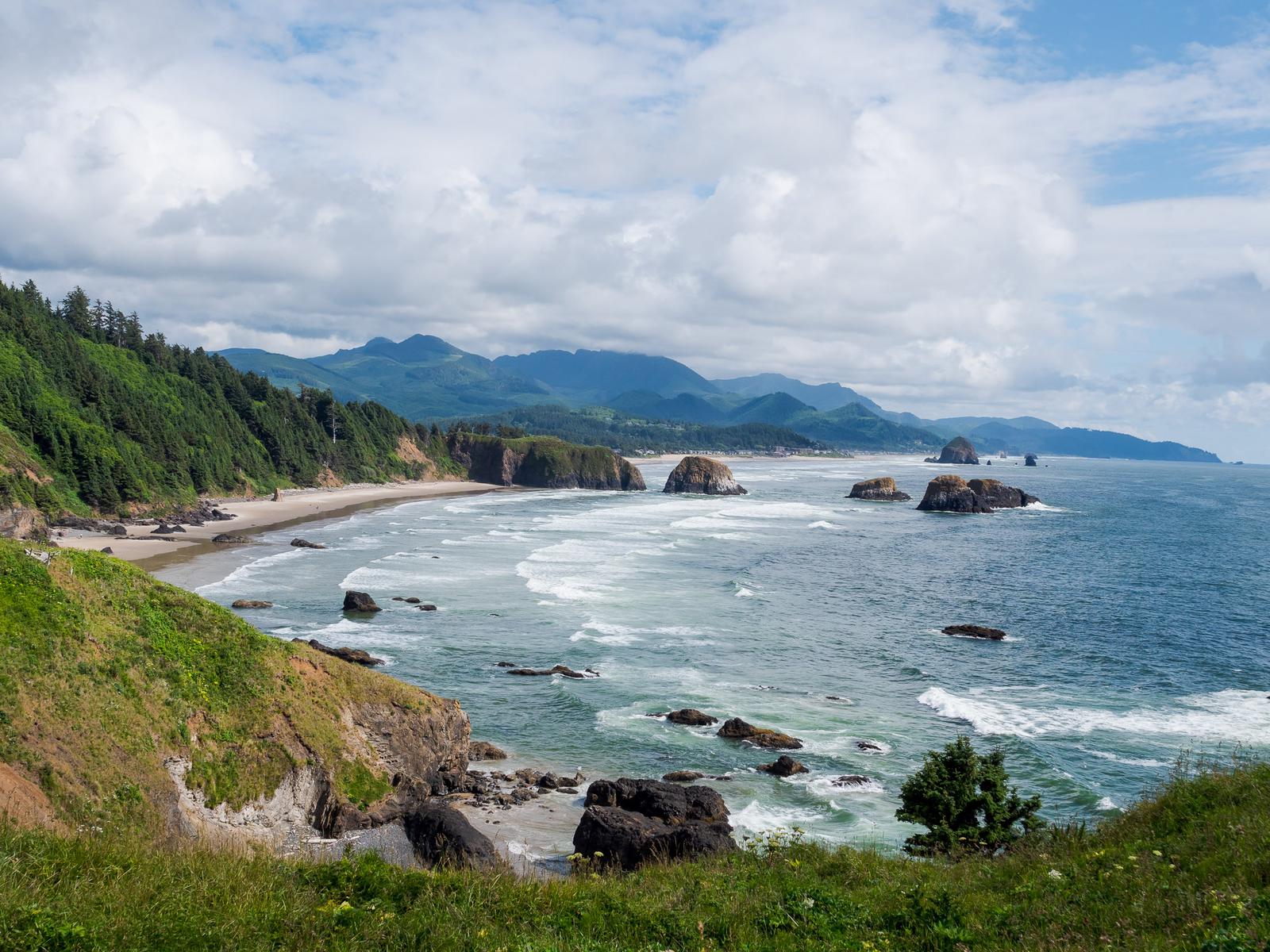
Having had our fill of ocean views and surf sounds, we carried on north. About an hour later—after crossing the 6‑km Astoria–Megler Bridge—we were in Washington State. From behind the wheel, the easiest way to know you’re in Washington is the road signs: highway numbers appear not on small shields as elsewhere, but on the silhouette of George Washington’s head. Spotting the profile of the first US president at speed in a tiny shape with a number is no small feat.
Twin Peaks
No actual place called Twin Peaks exists (in case you didn’t know). San Francisco has a city park on a hill called Twin Peaks, and Washington State has a mountain ridge of that name, with two lakes—Twin Lakes—at its foot. None of these has anything to do with the cult TV series (and now extended “cinematic universe”) of Lynch and Frost.
Twin Peaks was filmed mainly 40 km east of Seattle, around Snoqualmie and North Bend. That’s where we headed the next day.
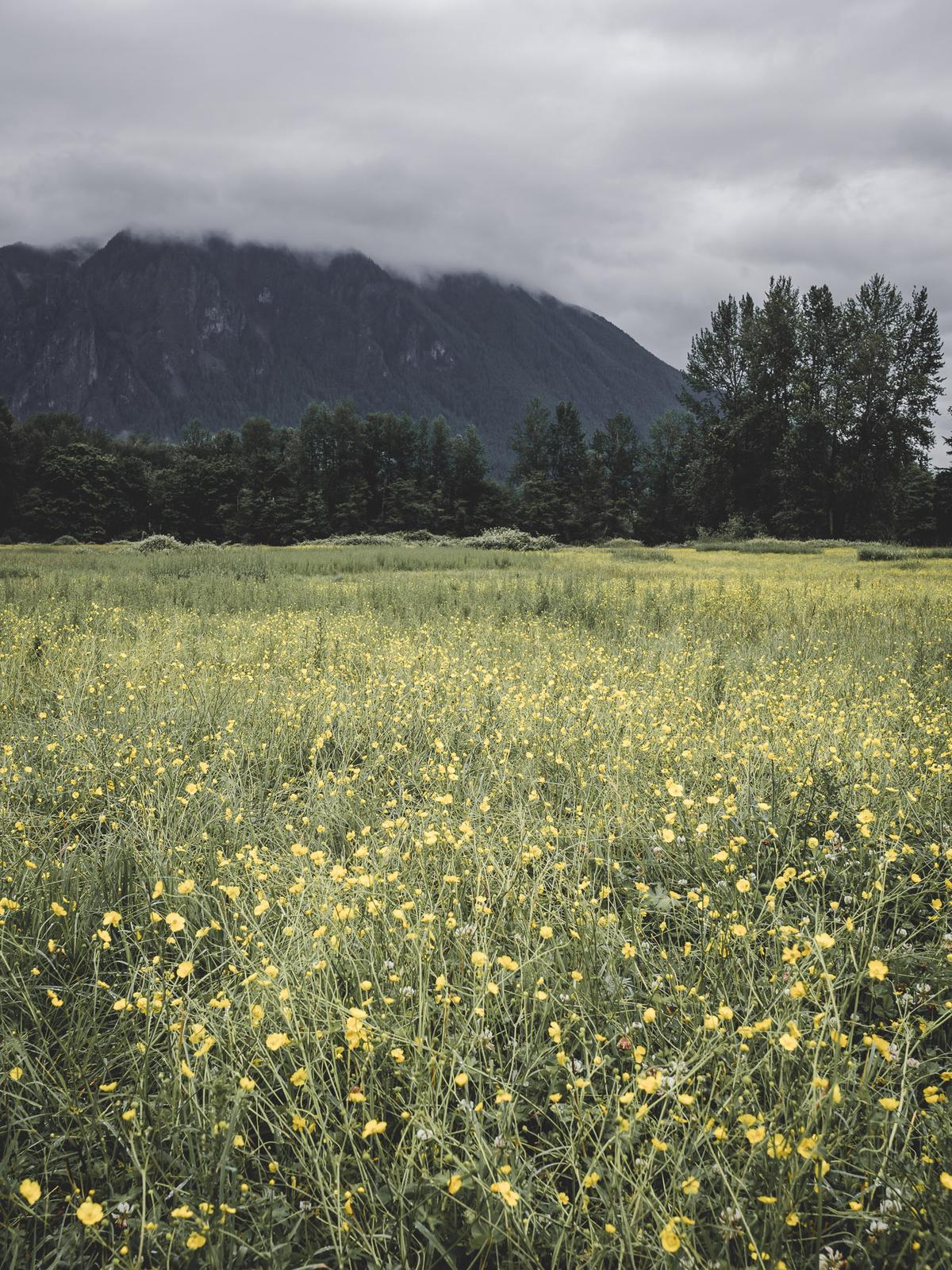
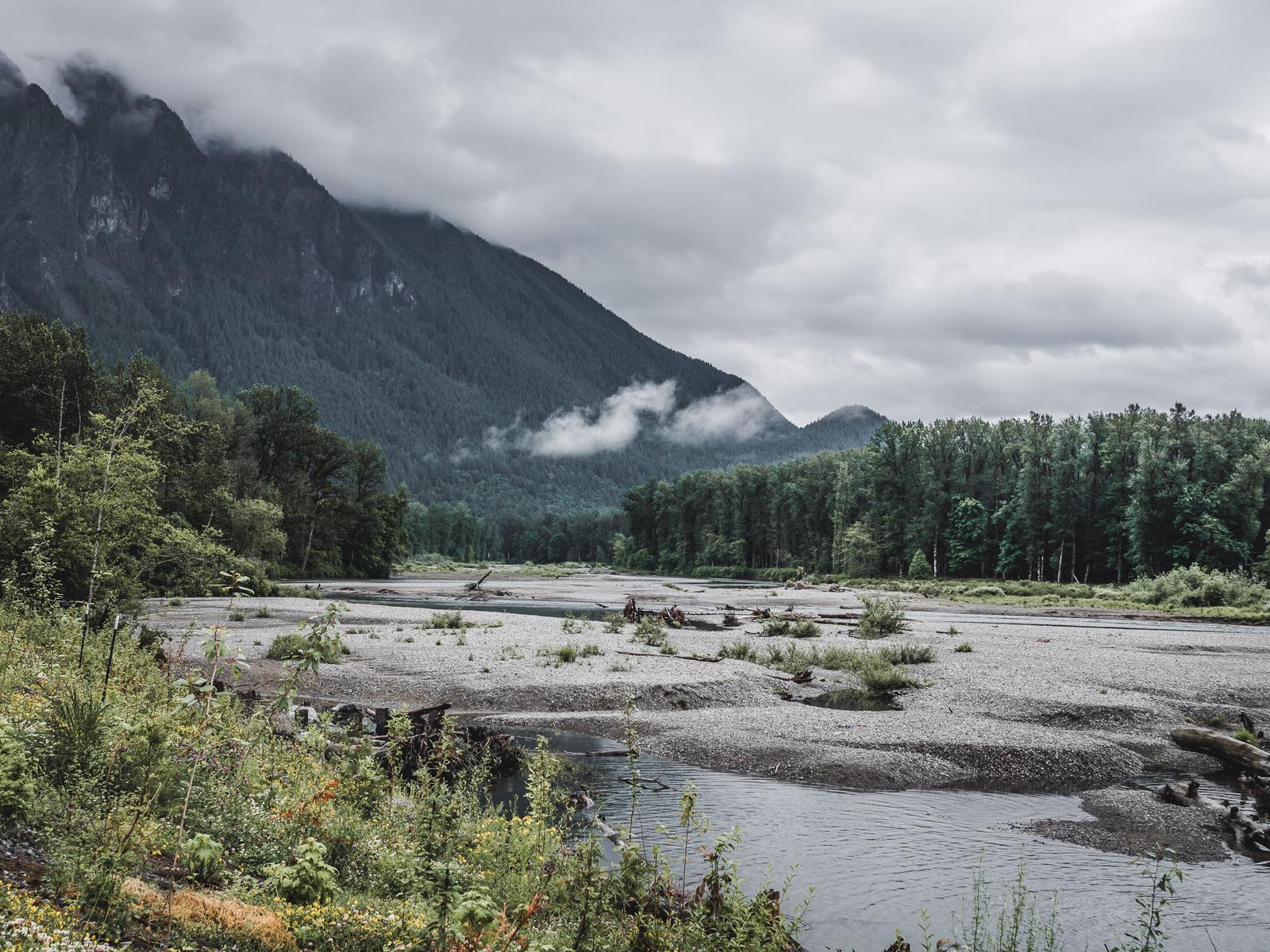
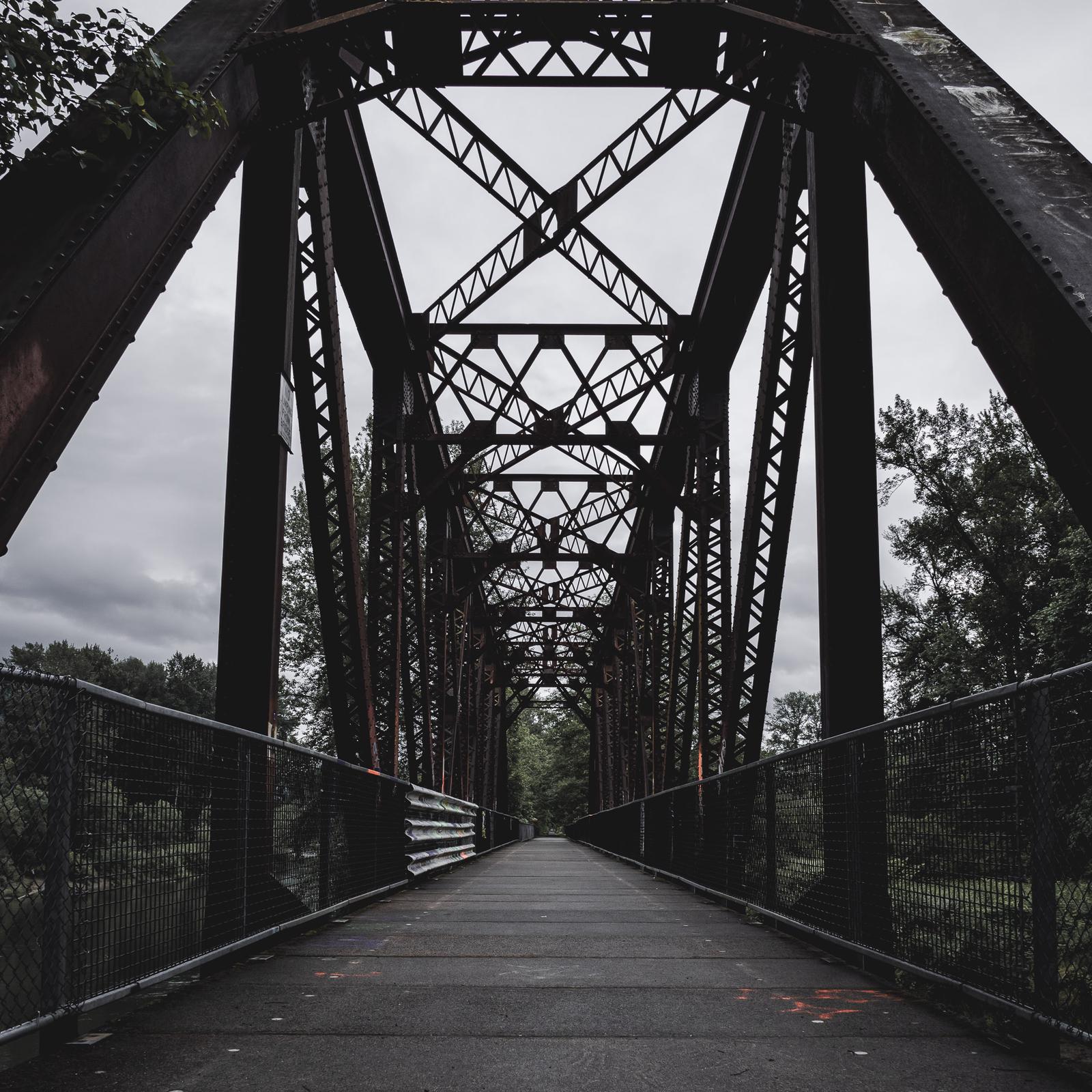
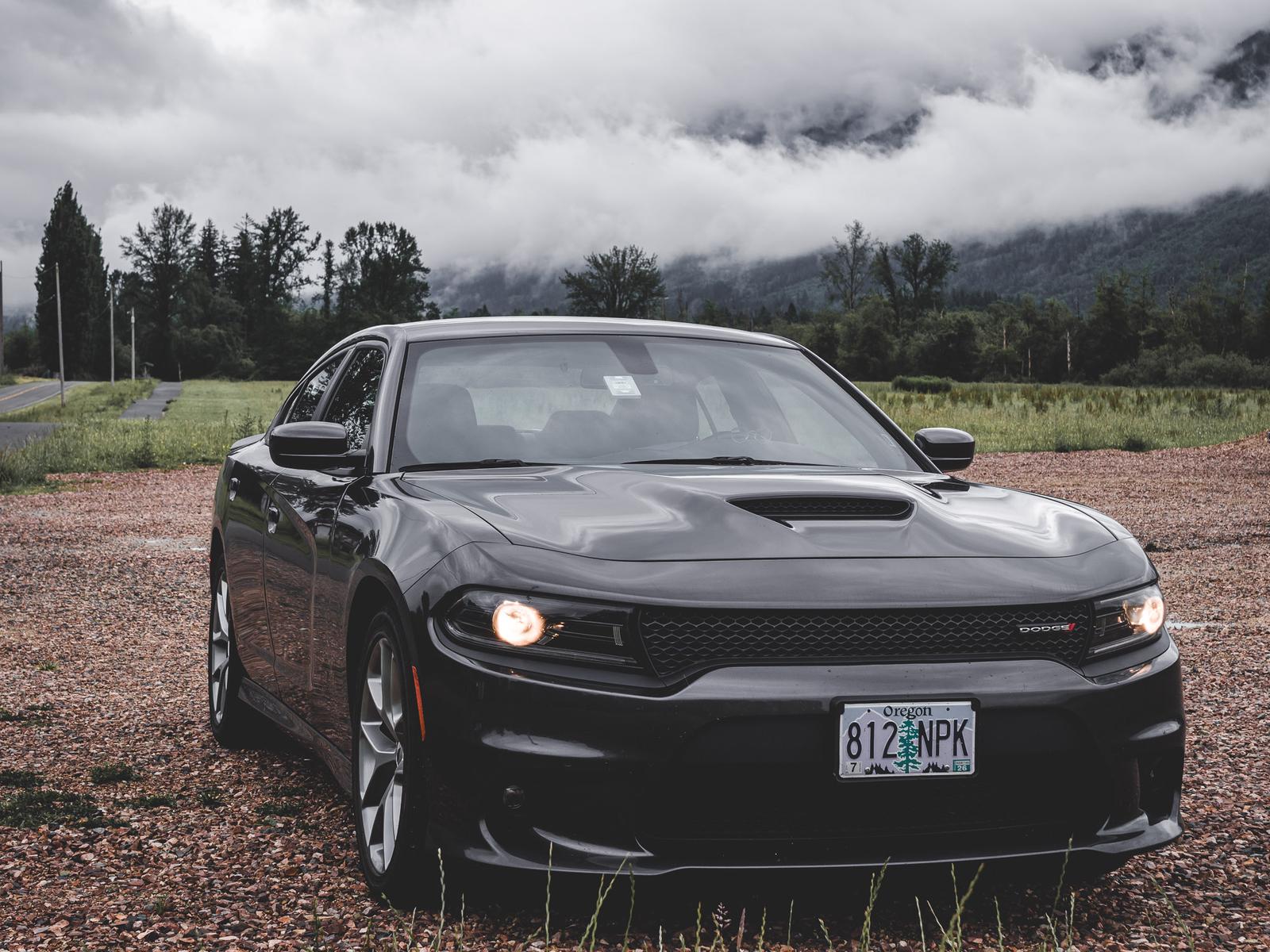
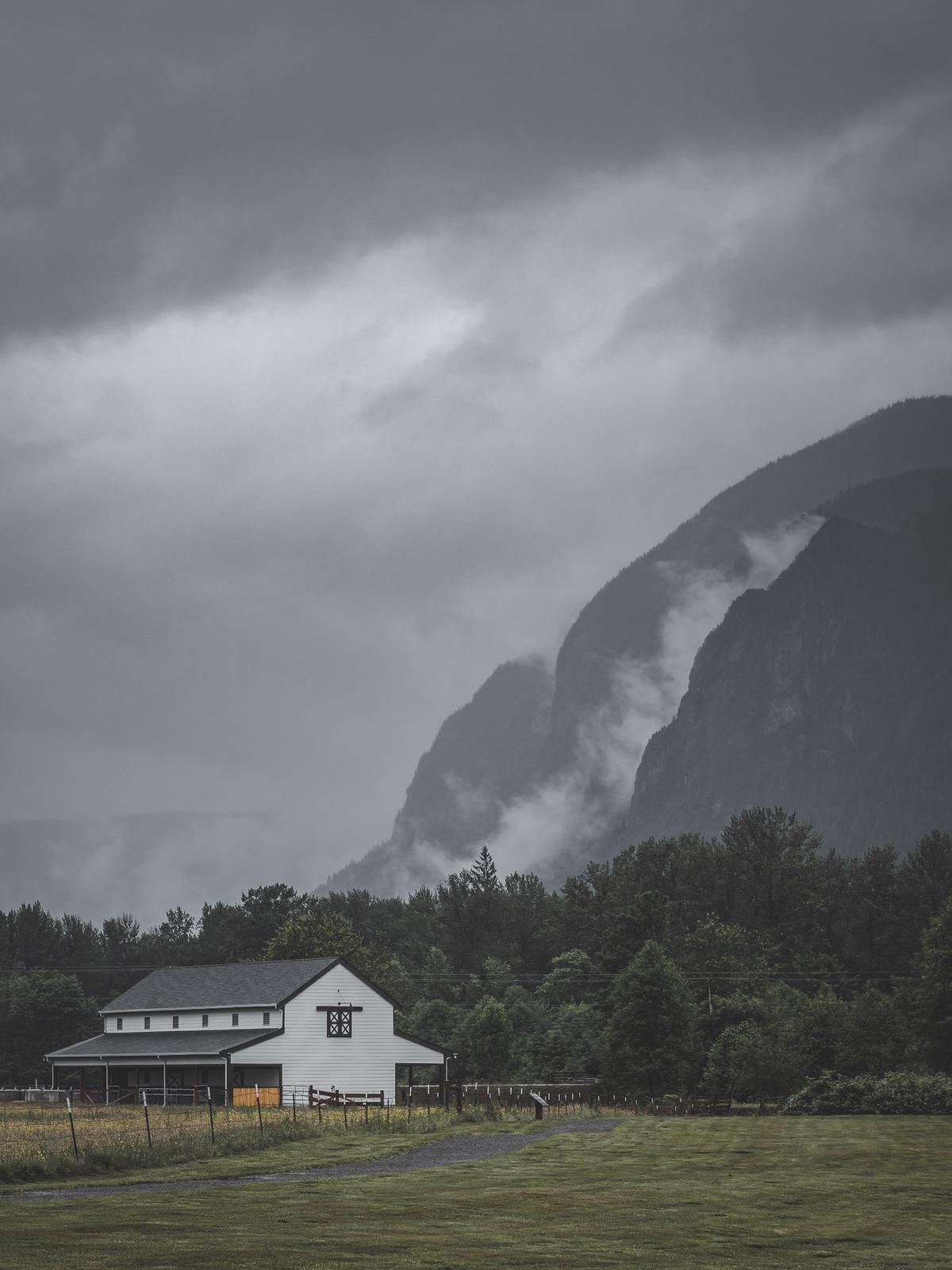
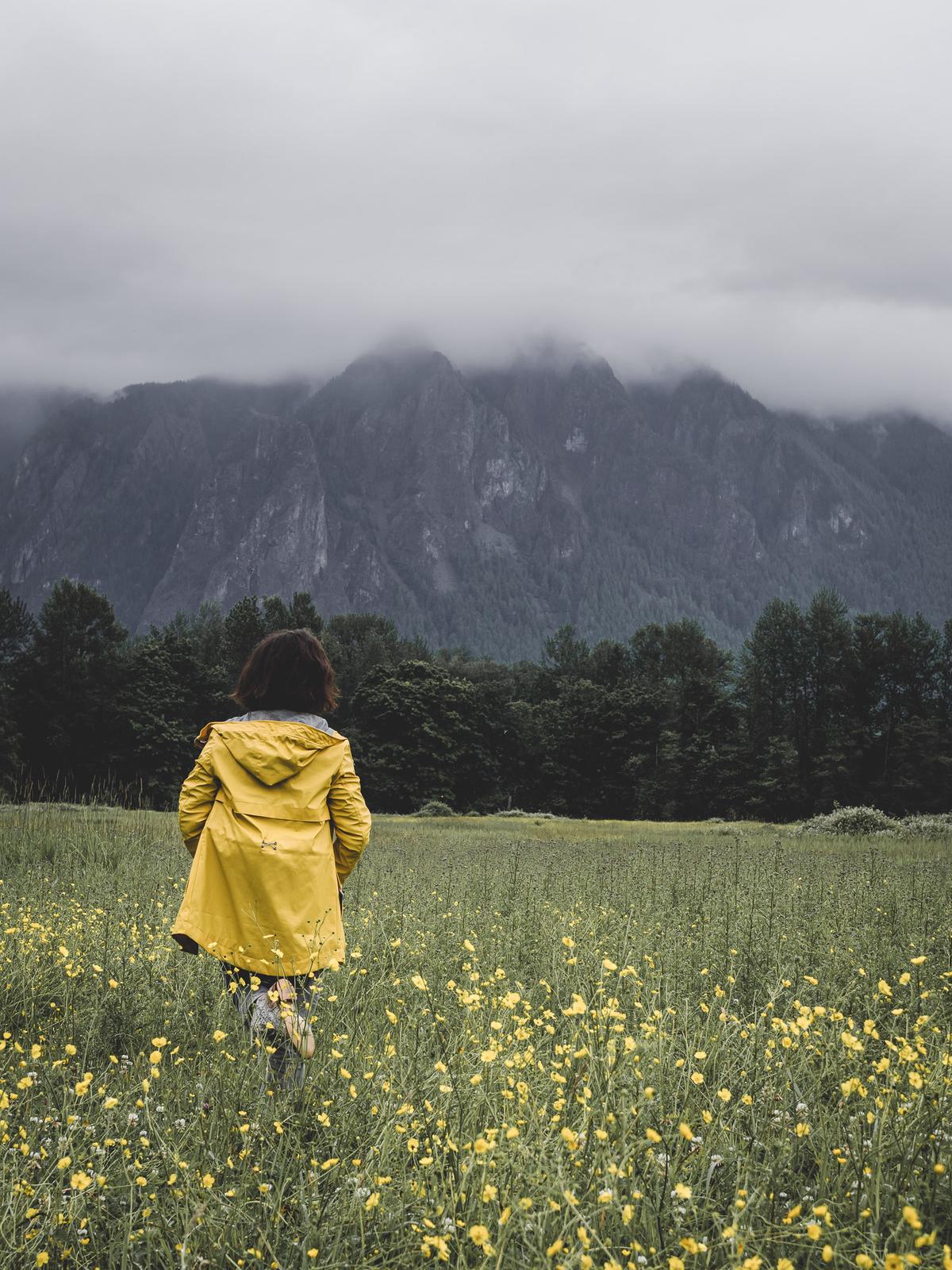
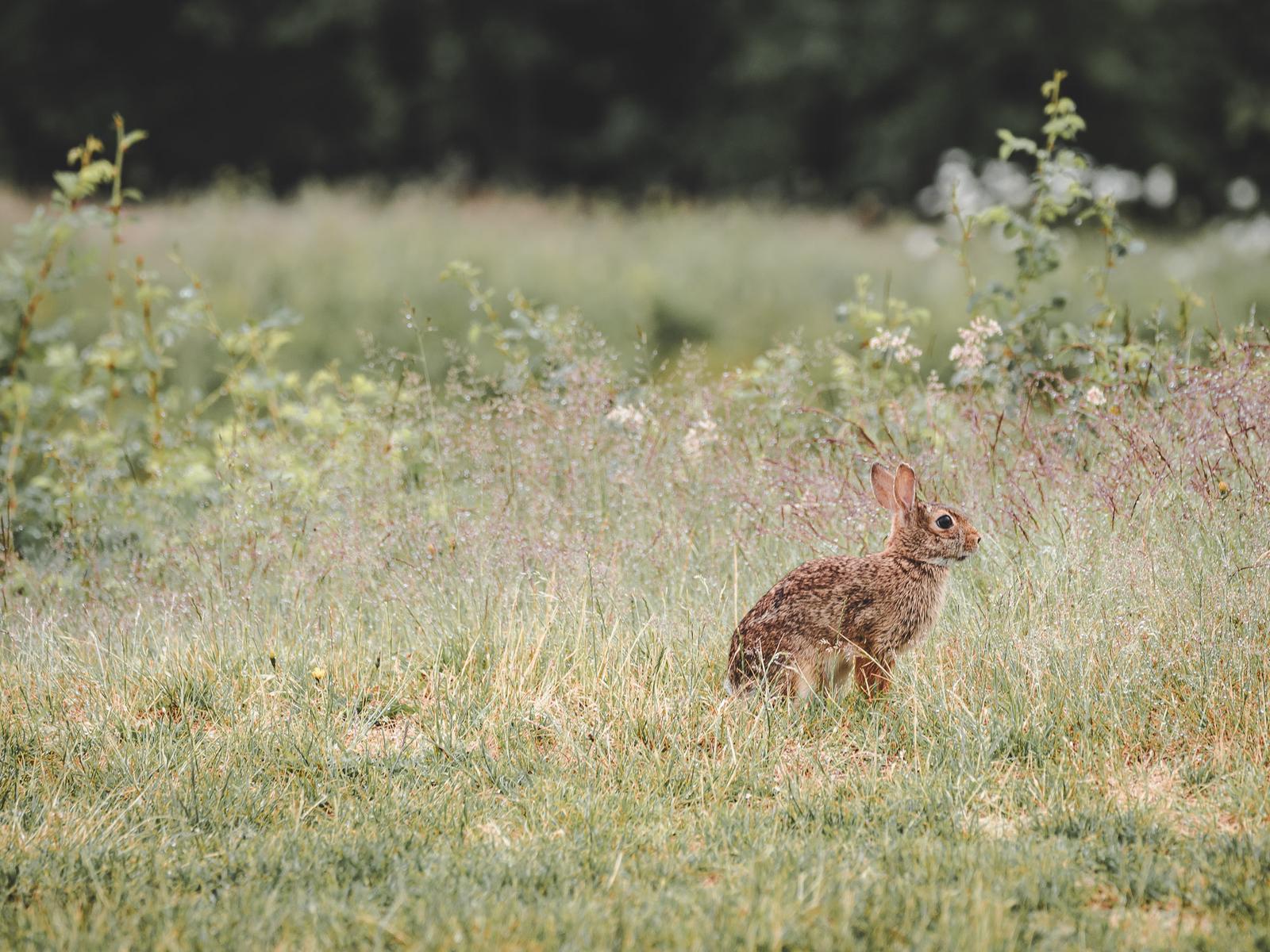
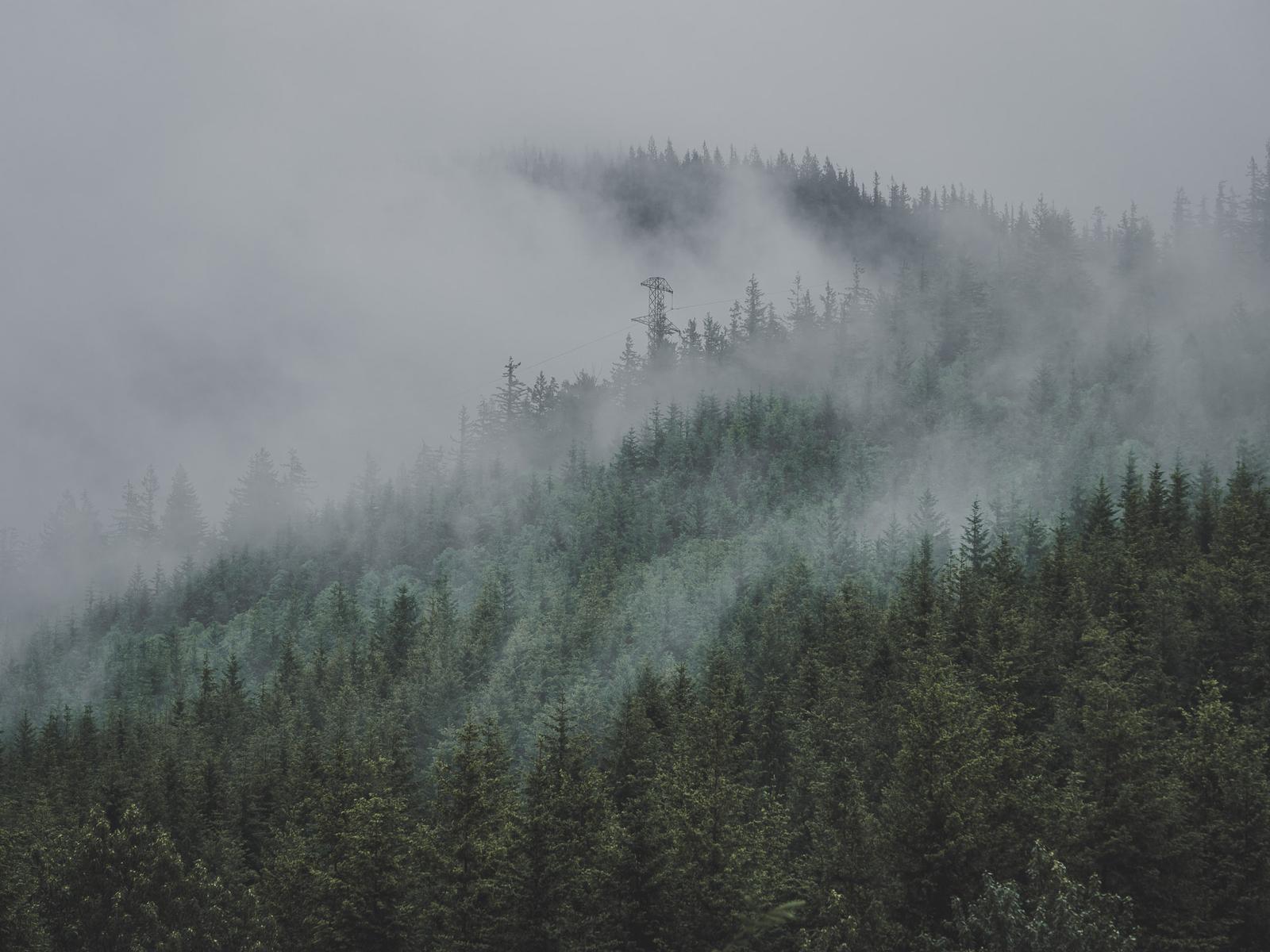
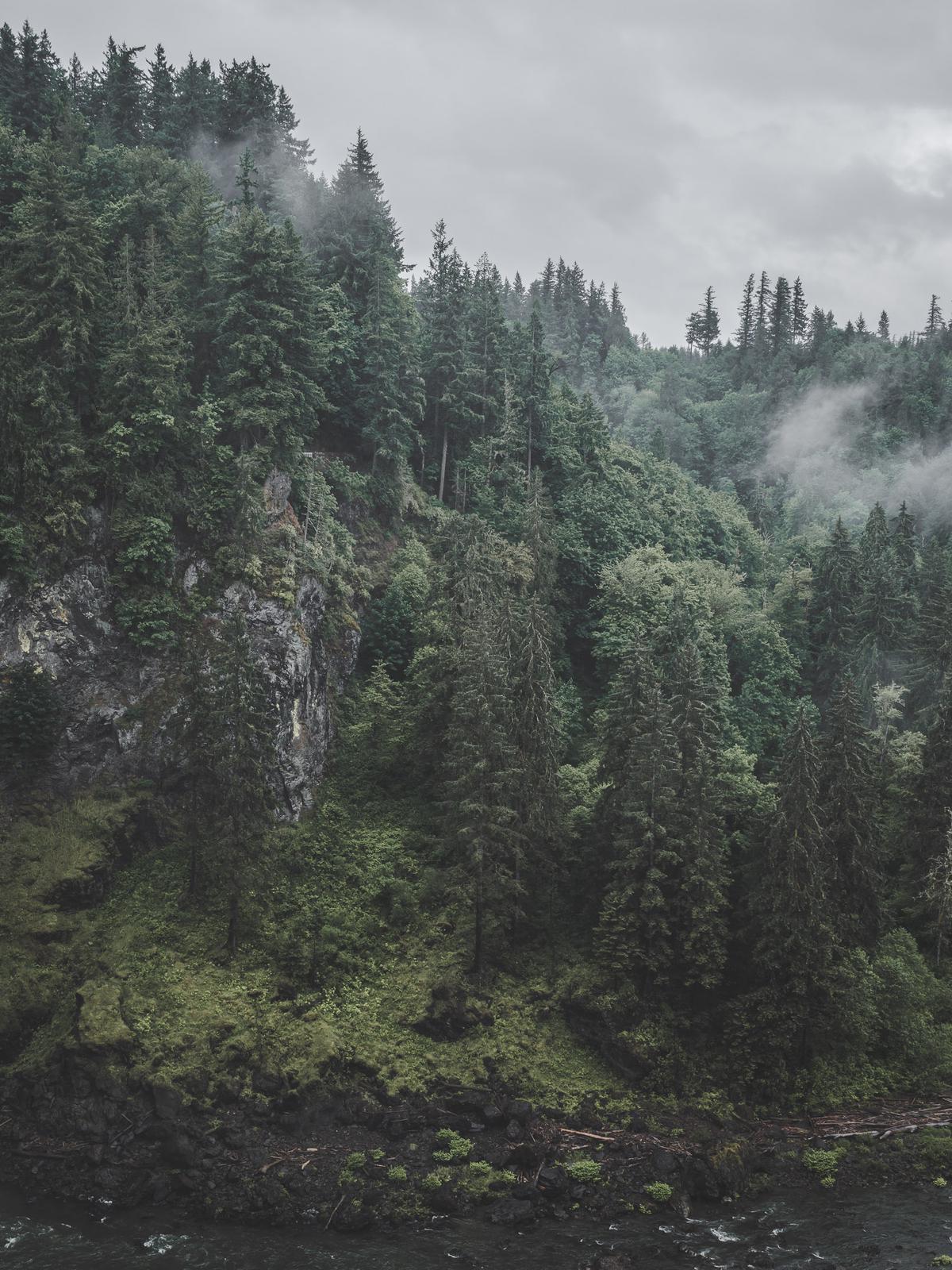
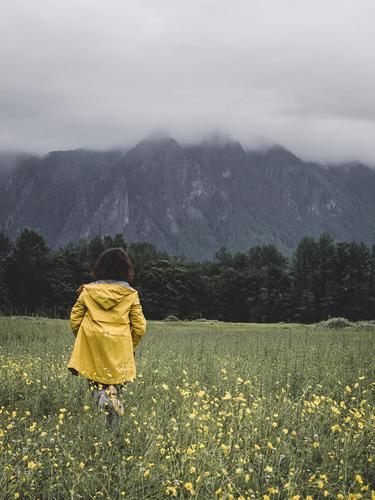
This time, the weather was perfect: low grey clouds clung to the mountainsides and slid down them in melancholy wisps; moisture in the air shifted between light fog and fine drizzle. You couldn’t ask for better conditions to wander the old haunts of Agent Cooper.
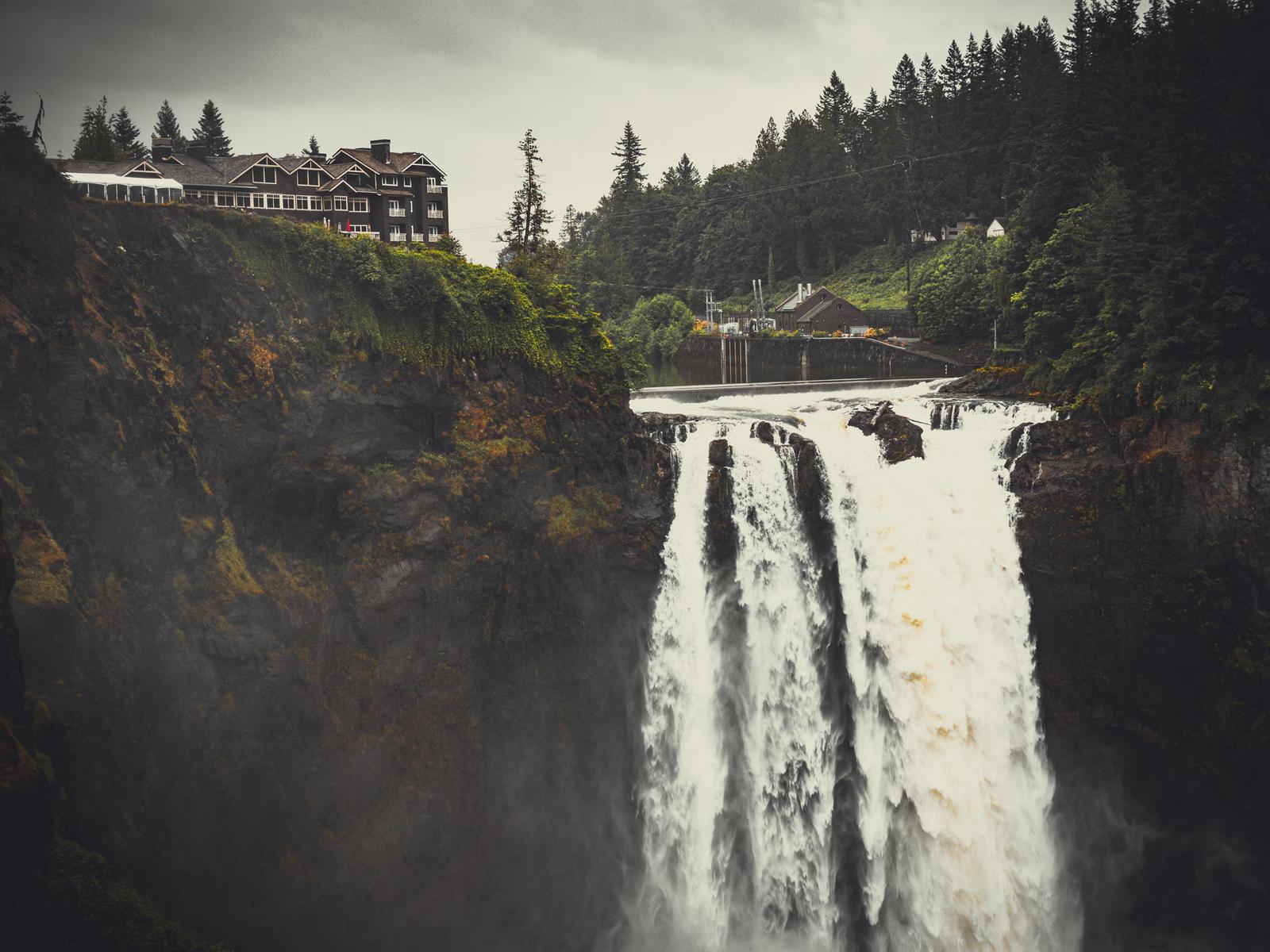
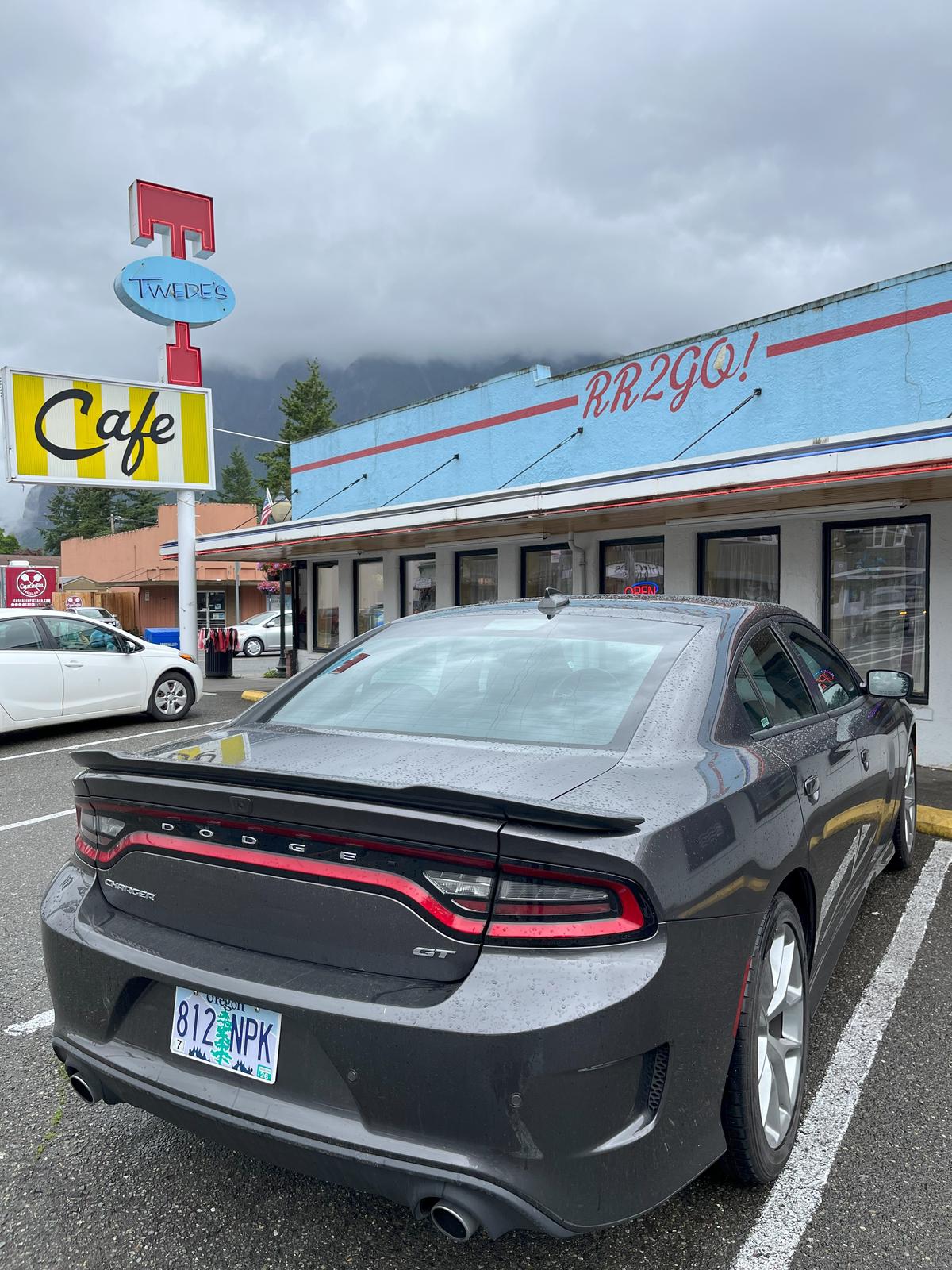
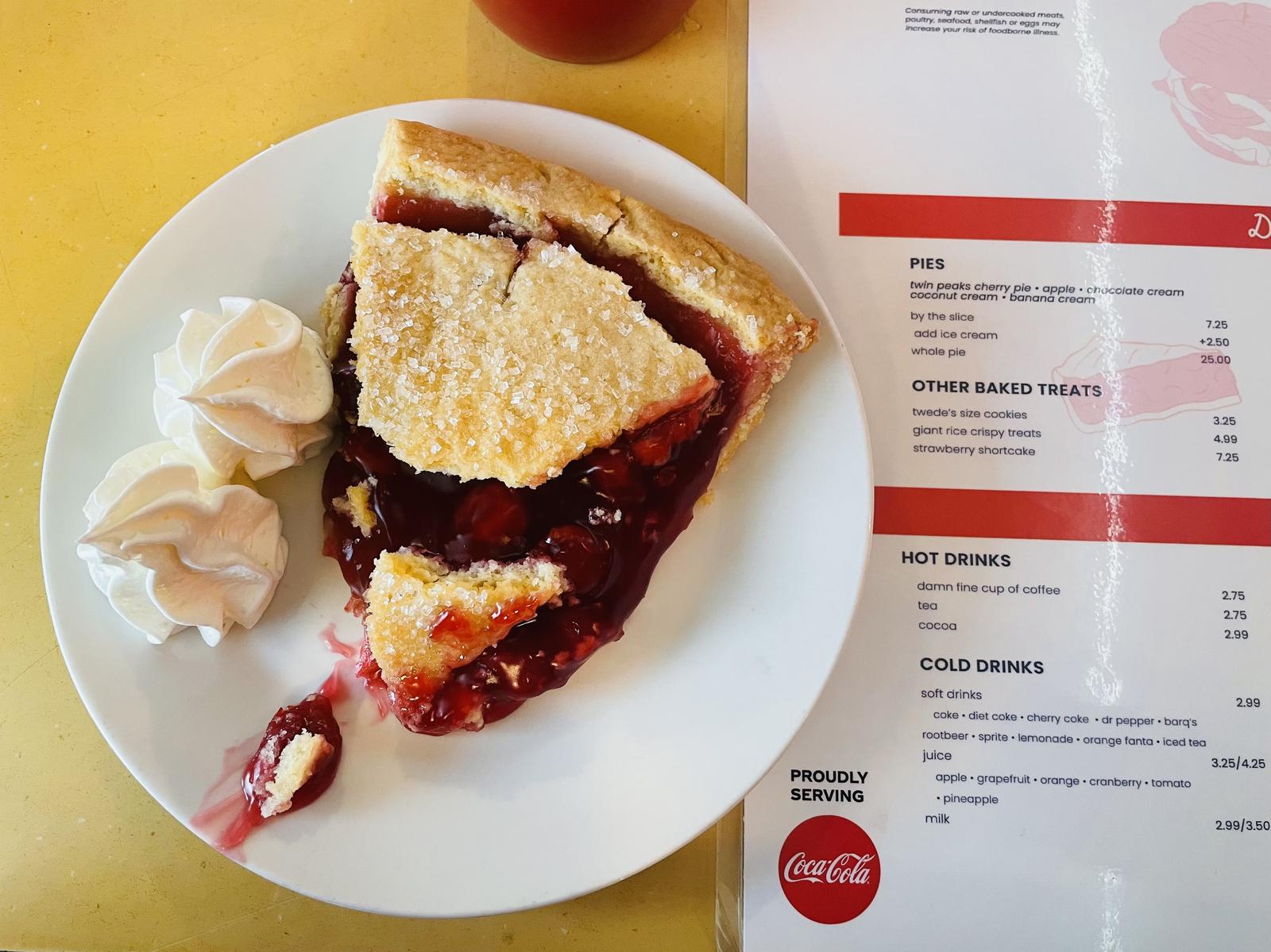
We visited Snoqualmie Falls from the show’s opening credits, the park from the pilot episode, and the huge log from that same sequence. For lunch, of course, we went to Twede’s Café (known in the series as the Double R). The main menu is standard American diner fare, but for dessert you can order the legendary cherry pie and wash it down with “a damn fine cup of coffee” (yes, that’s exactly how it appears on the menu).
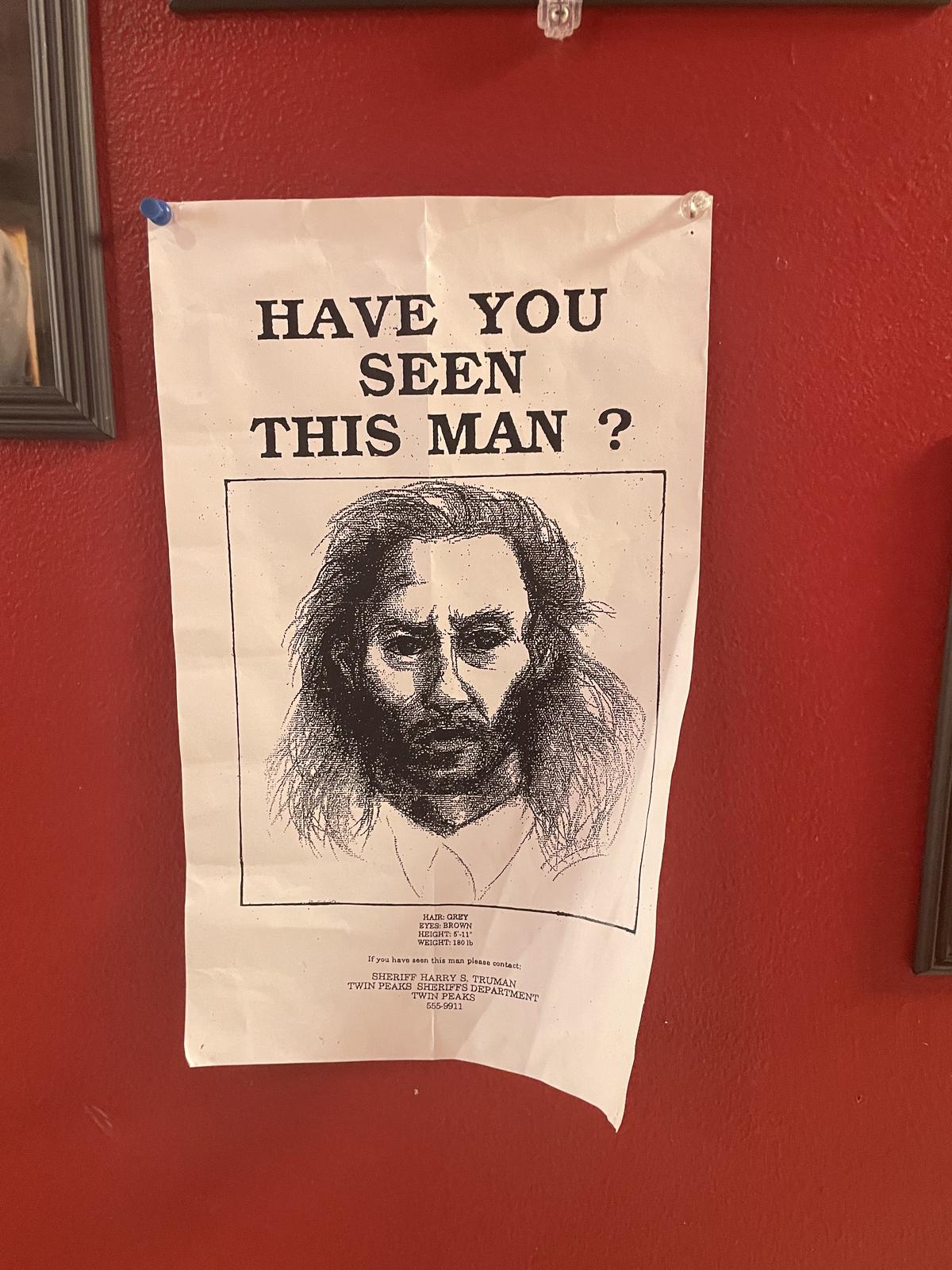
While we were eating, a rather dishevelled man entered: worn jeans with dubious stains, a red plaid flannel shirt, and a mesh‑back baseball cap with a cracked American eagle on it. His dark, greying hair looked unwashed for weeks, and his beard had perhaps never been trimmed. From the doorway, he asked where the toilet was and made his way there under the staff’s disapproving gaze. I assumed that was the sole purpose of his visit—but a few minutes later he emerged, took a table by the window, ordered food, and was soon joined by a woman (apparently his daughter). They chatted quietly, drank coffee, and ate pie. Sometimes people aren’t what they seem.
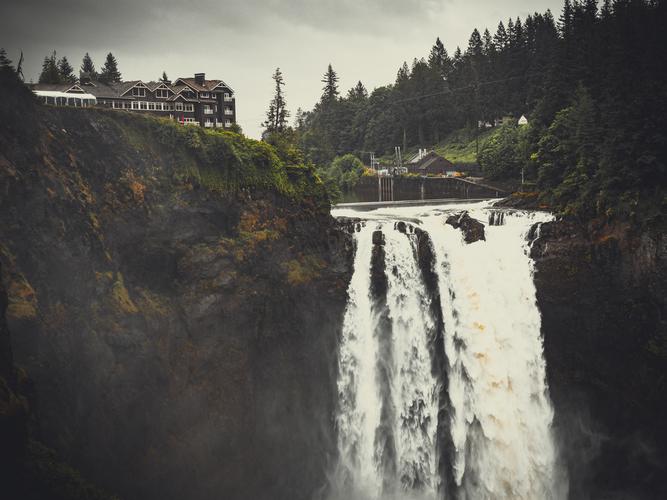
The very waterfall 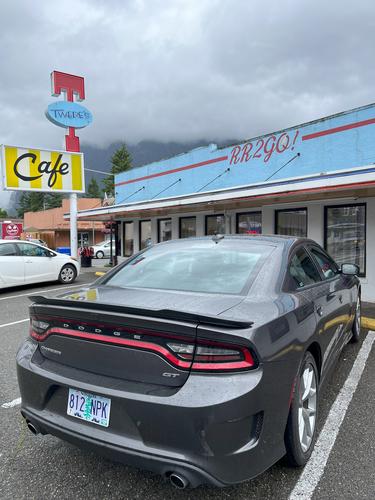
The very café 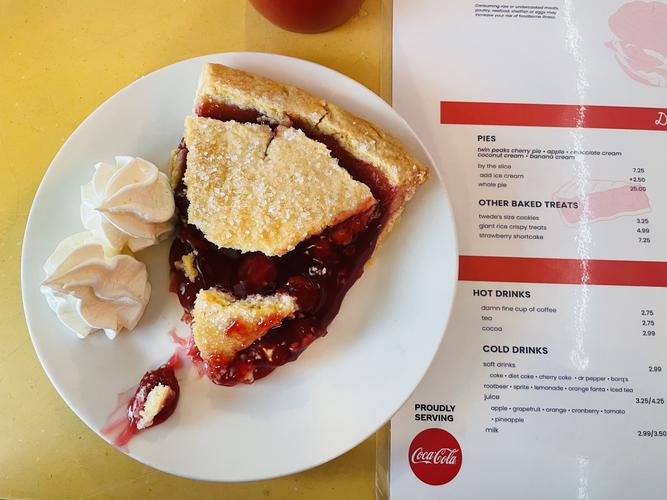
The very pie 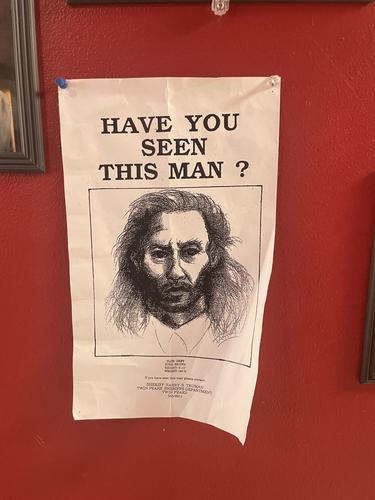
The very man from the story above
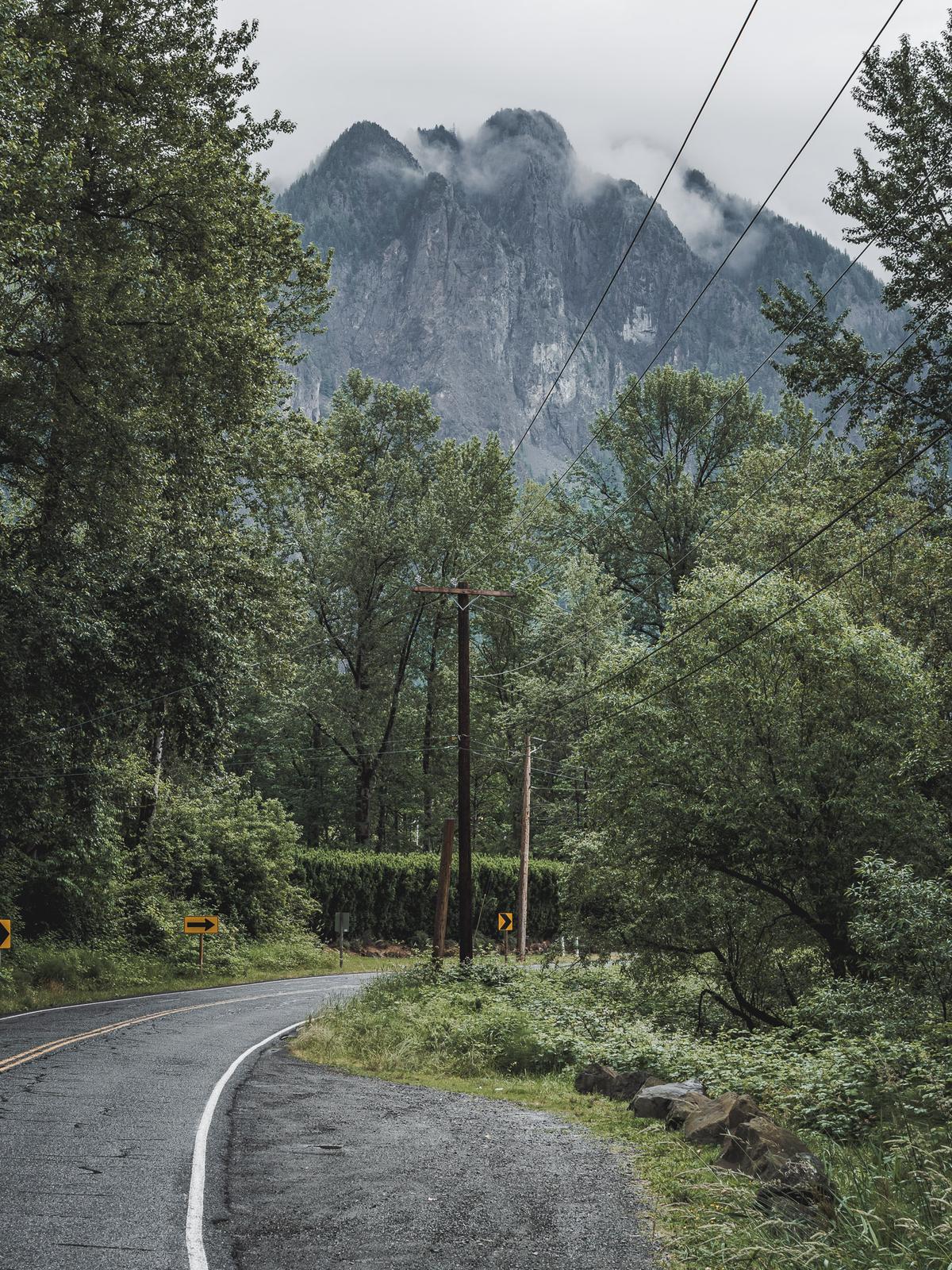
At the end of the day, we went looking for the “Welcome Twin Peaks” sign (spelled exactly that way, without “to”). Its location is marked on Google Maps but, surprisingly, there were no photos or reviews for it. The spot is on a riverbank, and presumably the sign once stood at the roadside. It wasn’t there. We walked a couple of hundred metres up and down the road, reached the forest edge, and peered over the bank—perhaps it had blown into the river? No such luck. Hardly surprising, since no town named Twin Peaks actually exists.
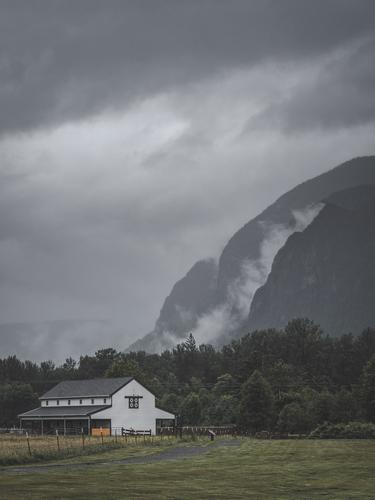
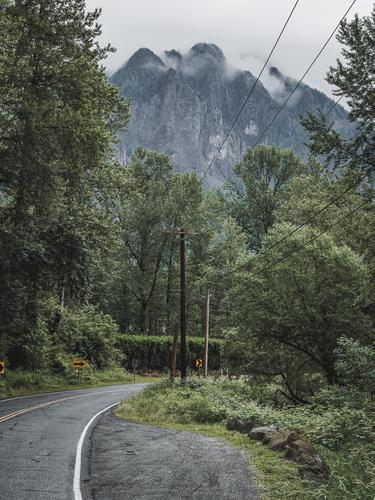
The sign should have been about here