
West Cork, September 2025
Not sure why, but this year we’ve found ourselves heading out to the western reaches of County Cork more often than in all five previous years of living in Ireland. Maybe it’s the weather: more often than not, the forecast for the southwest coast promised low cloud and light rain, which, by local standards, is practically a blessing.
This trip was no exception—my usual trio of weather apps all agreed on scattered clouds, the odd drizzle, and a strong wind that stopped short of being a storm. Expecting anything more pleasant in autumn is a fool’s game, so we booked an attic over someone’s garage on AirBnB, packed our bits, and pointed the car towards Schull.
Cork
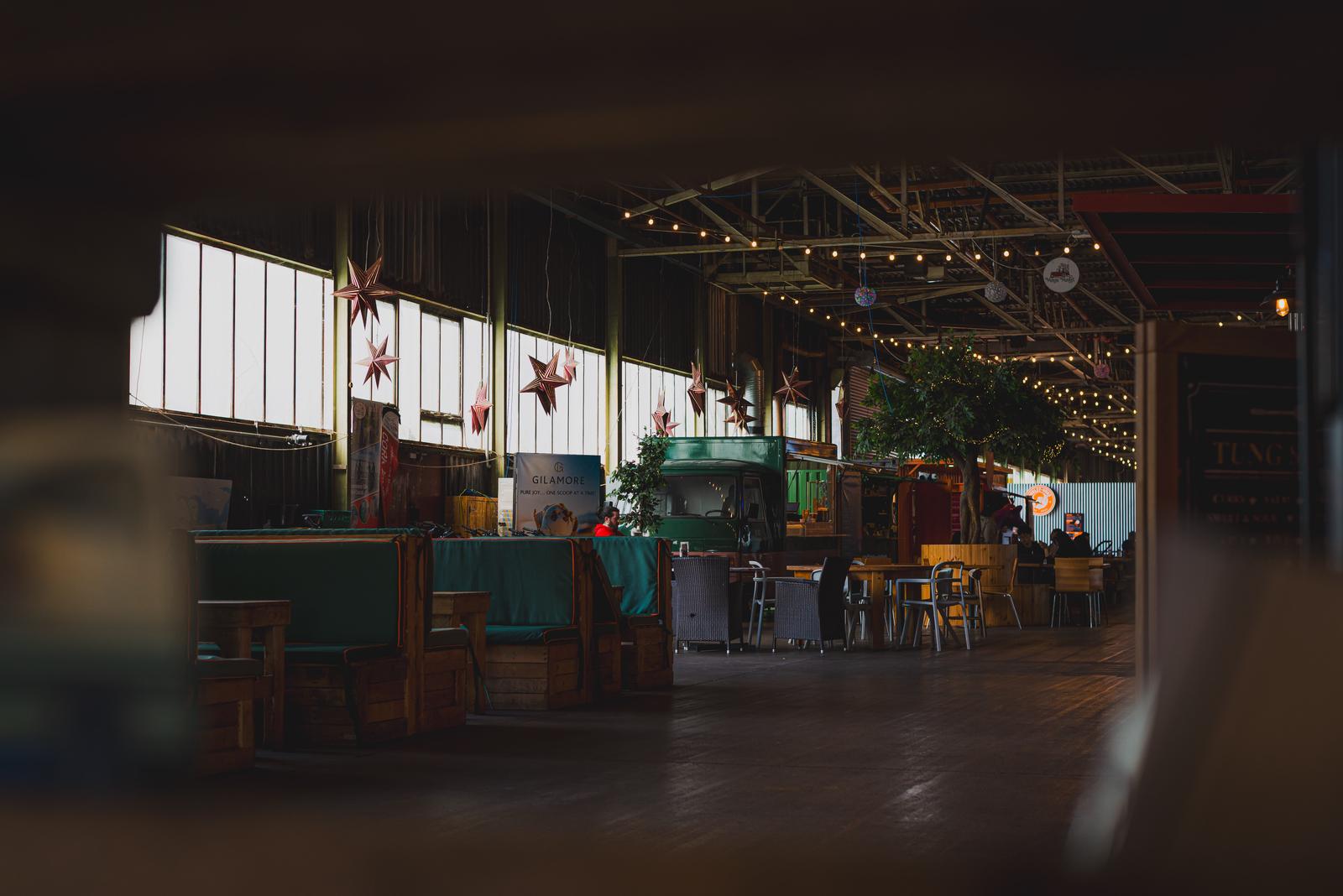
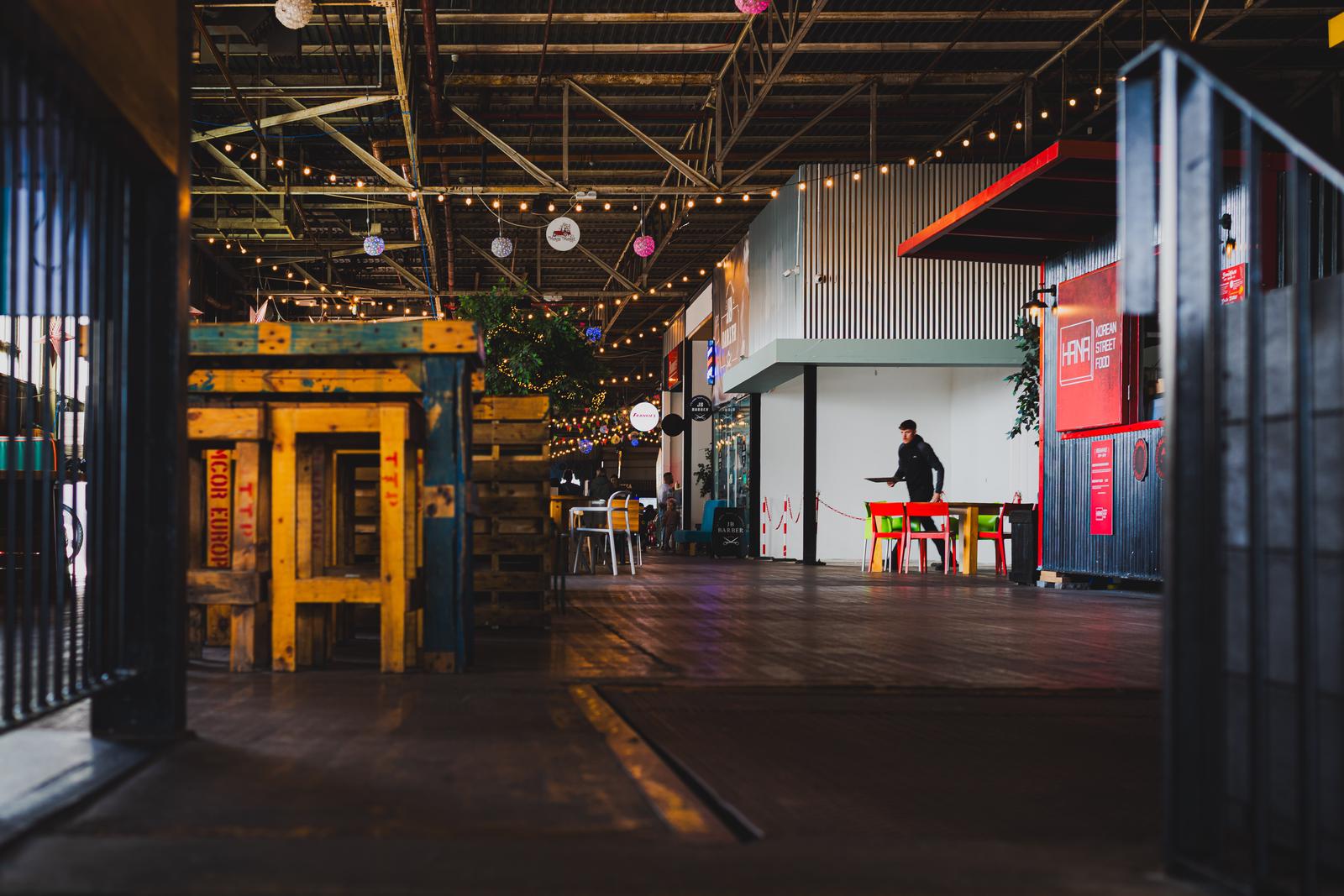
Every good trip begins with careful planning a frantic search for somewhere to eat after a long drive. This time, we fancied seafood, and after a quick scan of Cork’s culinary scene, Natalia found a spot serving lobster rolls. “Ocras Seafood & Snax” is a stall in the Marina Market – a sprawling hangar of a place down by the docks, packed with street food, coffee stands, pastries, jewellery stalls, and vintage clothes. Hipster heaven, really. We’d been to Cork a few times before but somehow missed this gem. We’ll be back for sure.
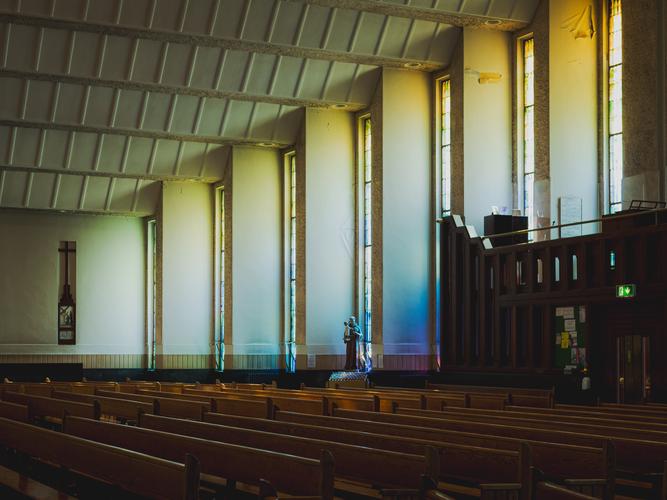
Next stop was a church in the Turner’s Cross area, which I’d spotted while poking around Google Maps over lunch. Christ the King Church stands out with its bold Art Deco architecture and a kind of stern northern minimalism.
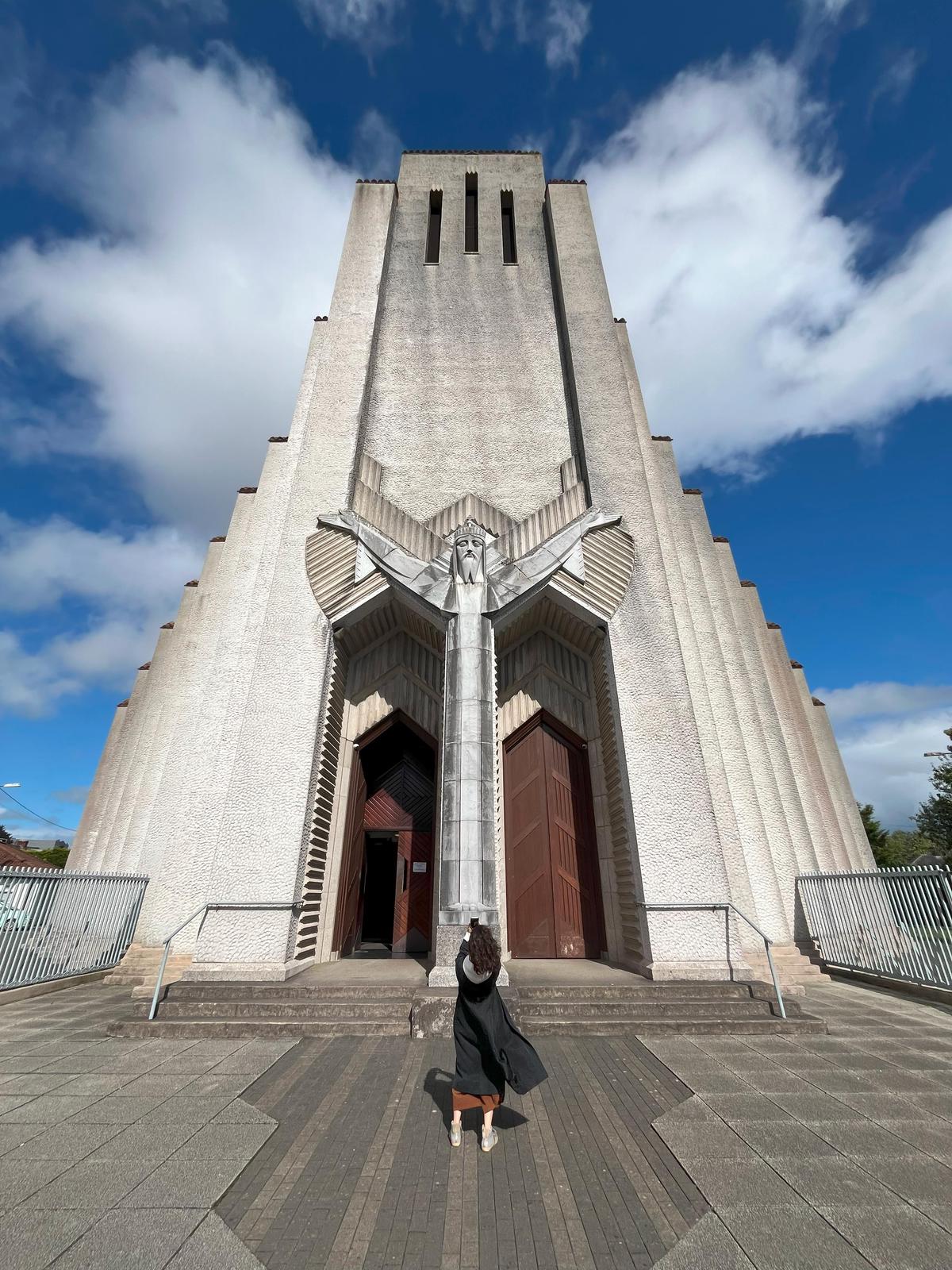
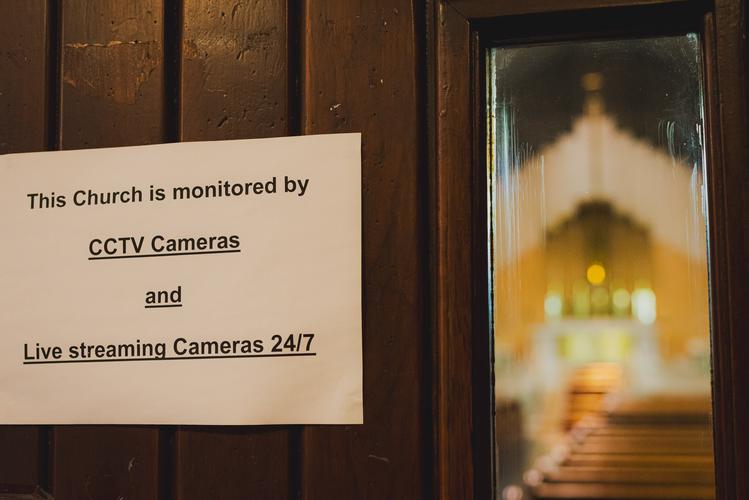
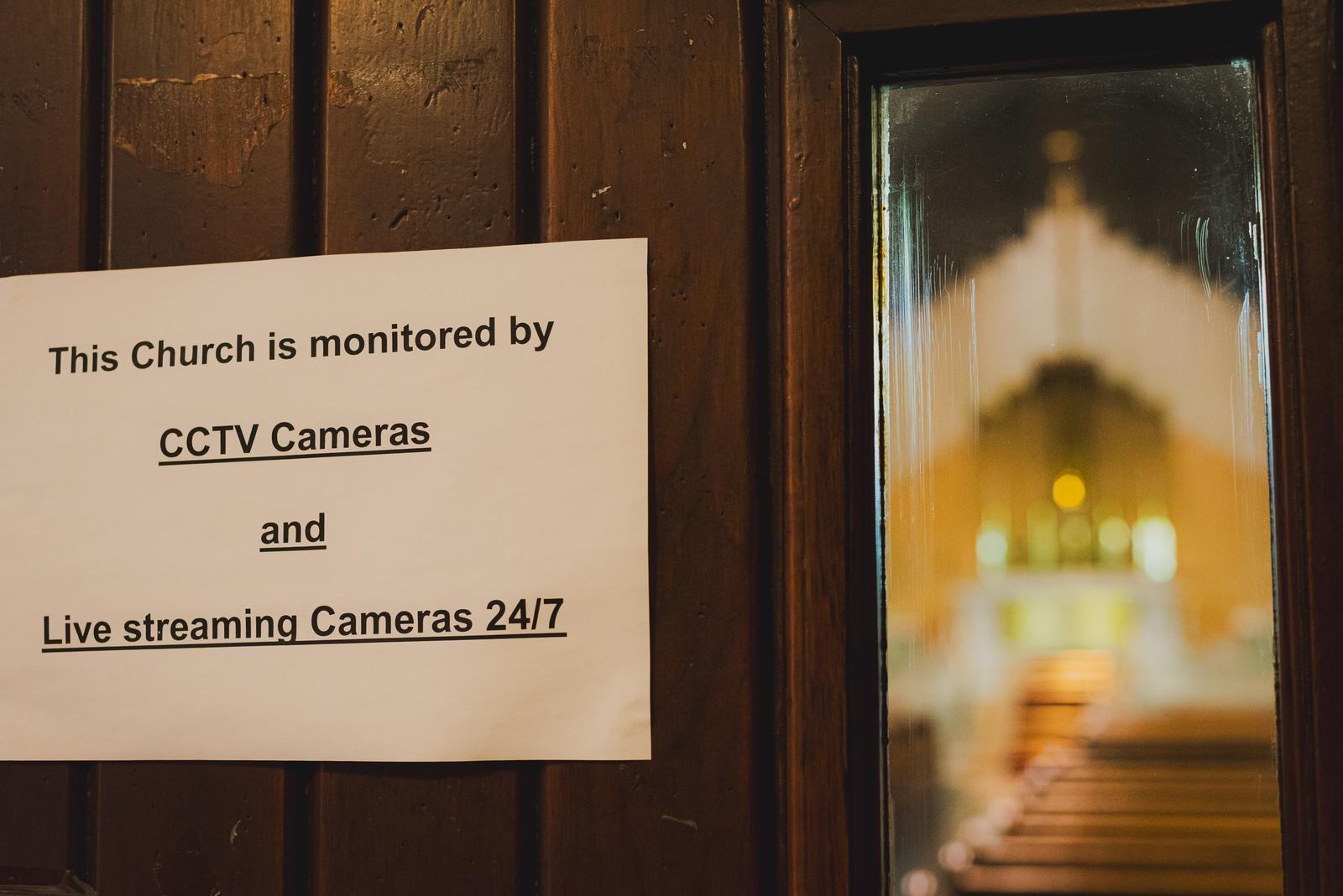
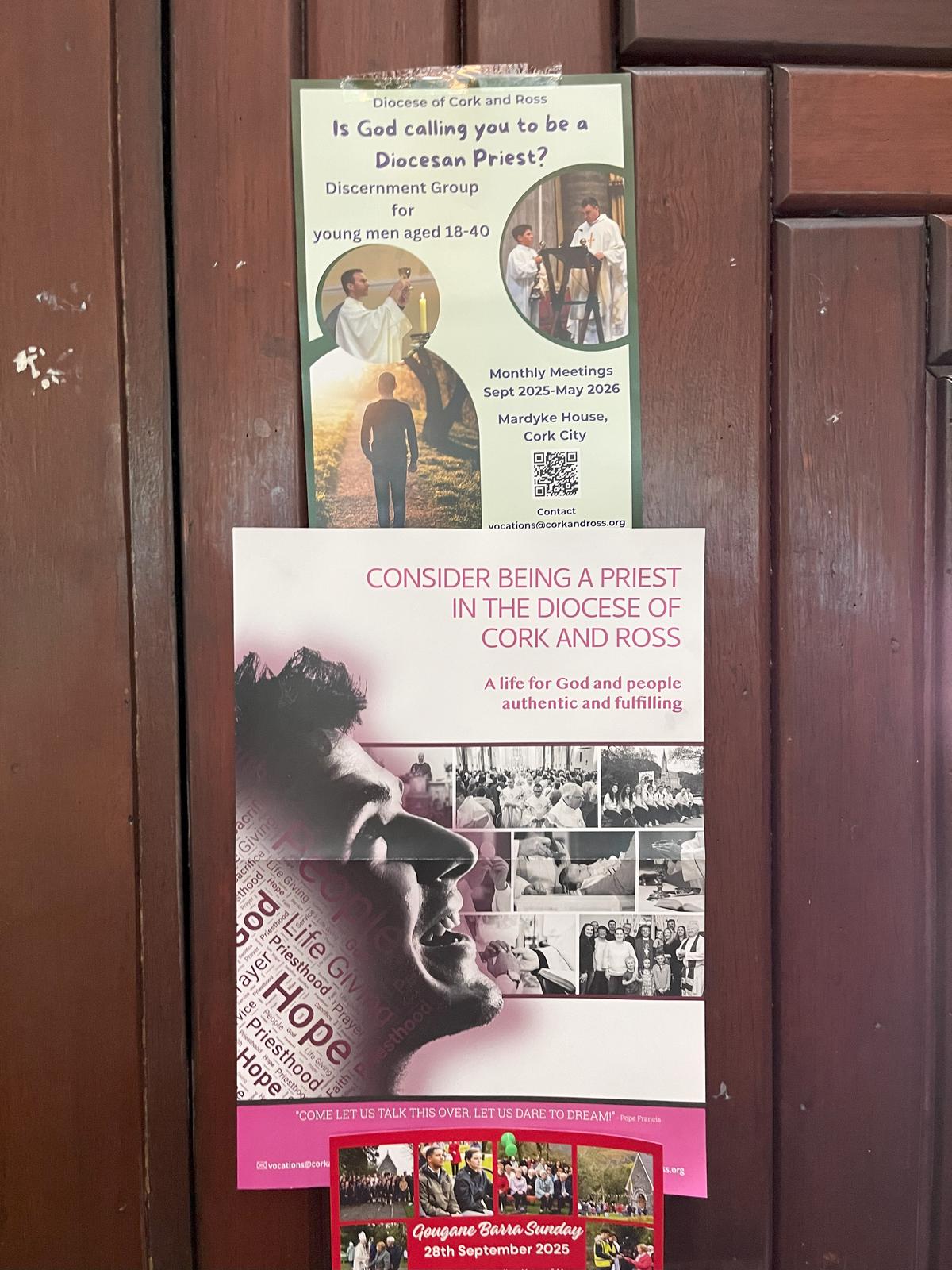
We stepped through the doors beneath the outstretched arms of a six-metre-tall Christ and found ourselves in the foyer – or maybe the narthex? – complete with the usual donation box, noticeboards, and service schedules. Signs everywhere reminded us that not only God but CCTV cameras were watching – so behave yourself! If you’re over 20 but under 40, the diocese invites you to consider a career in the priesthood.
God sees all 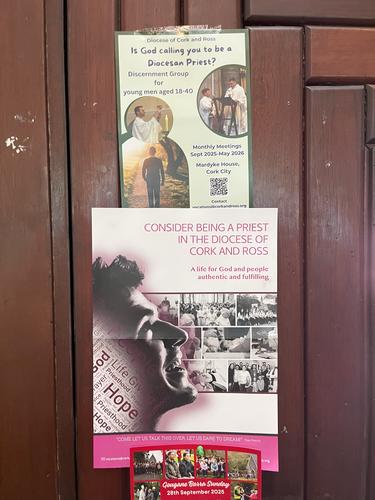
Career opportunities
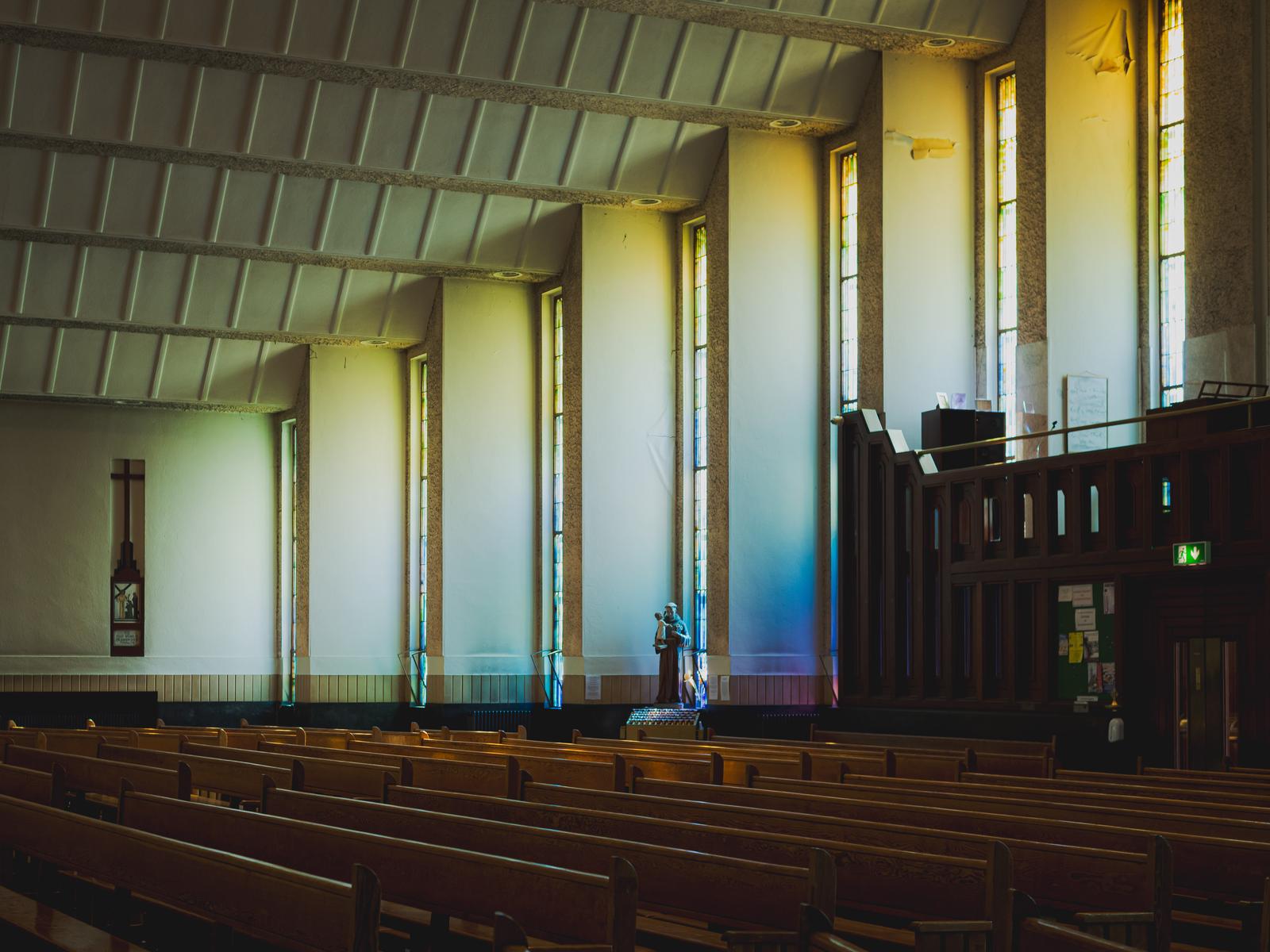
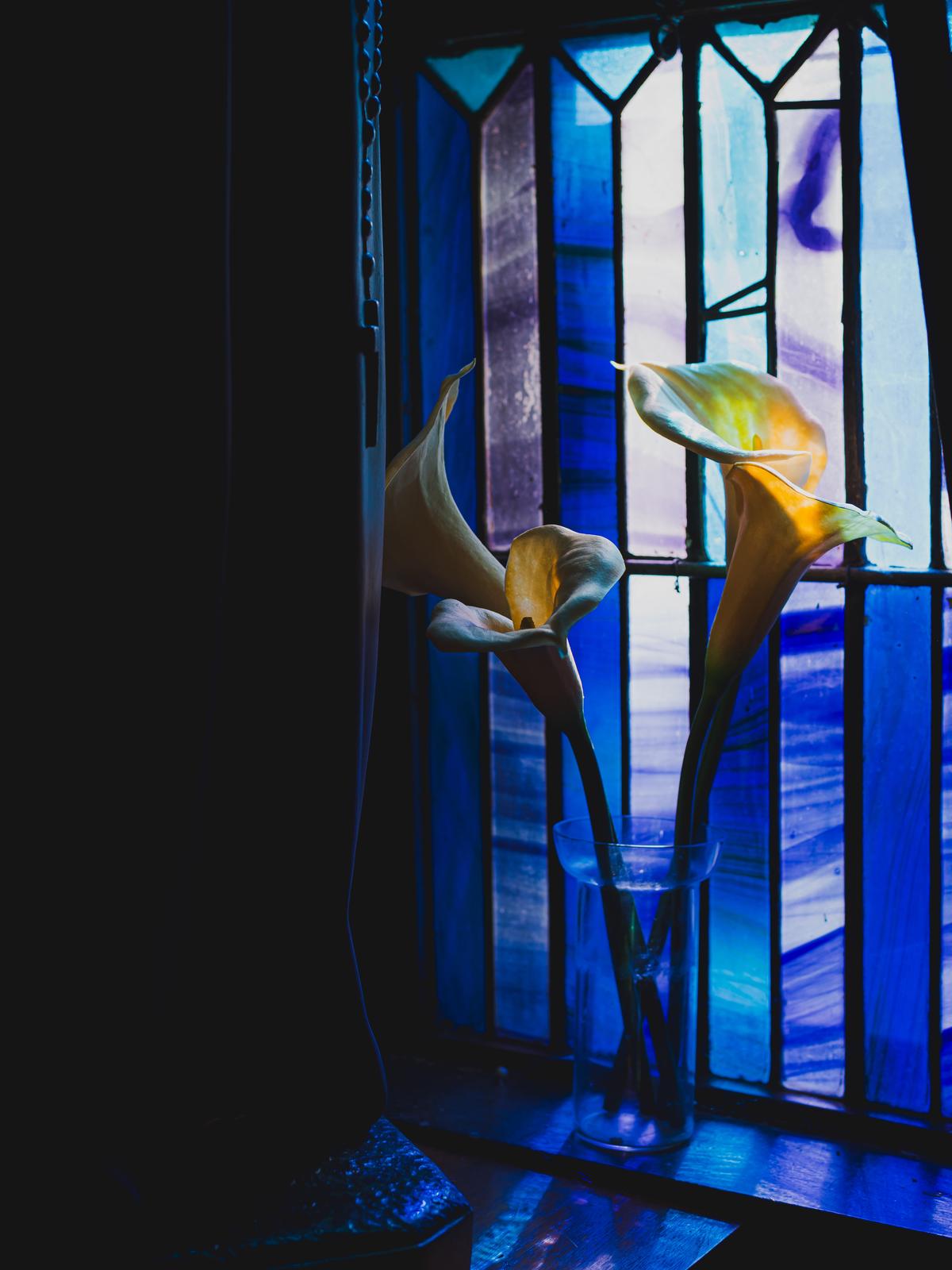
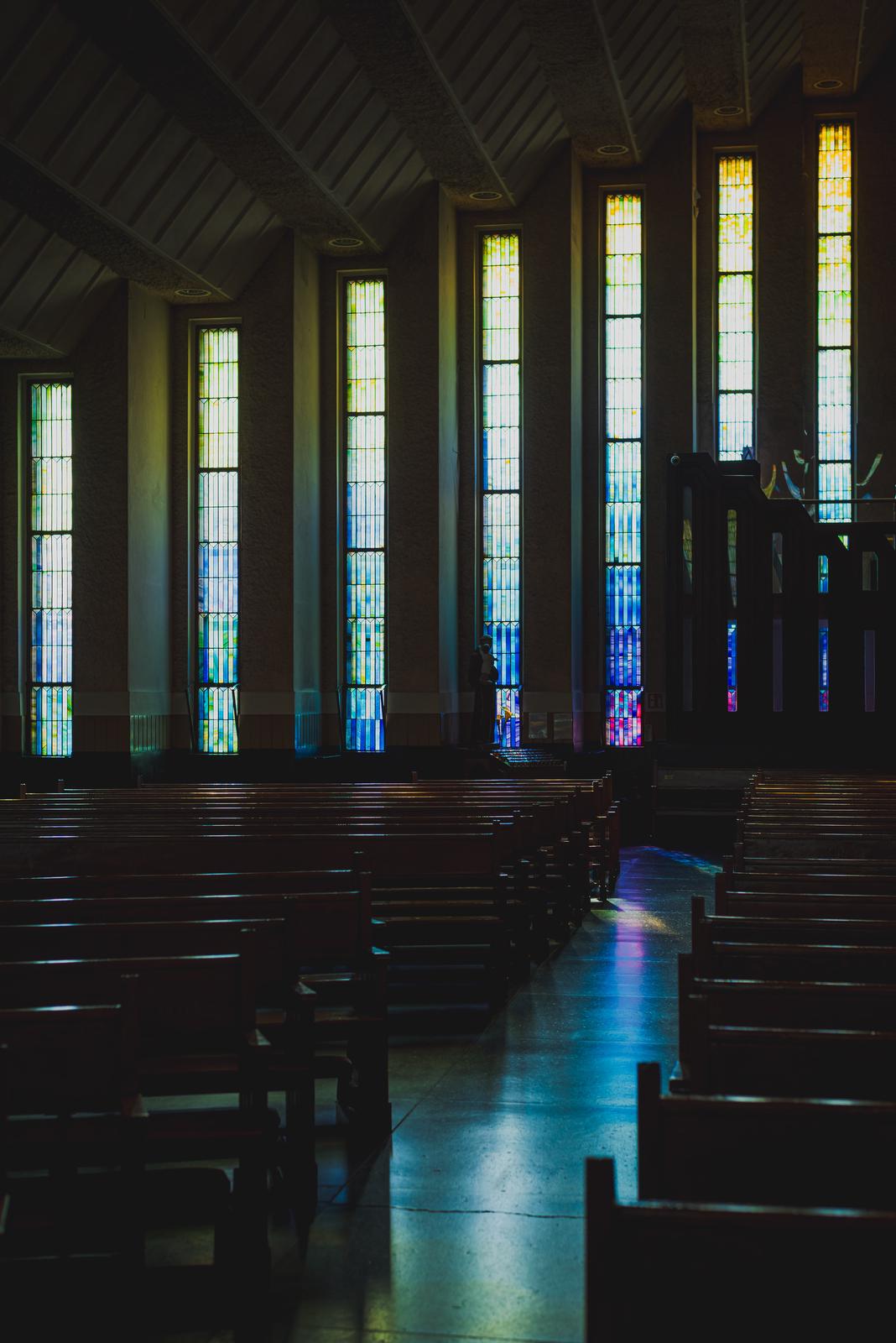
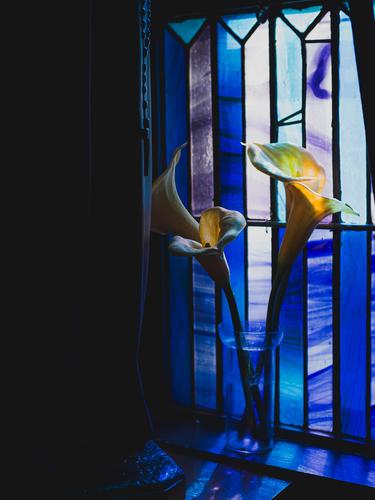
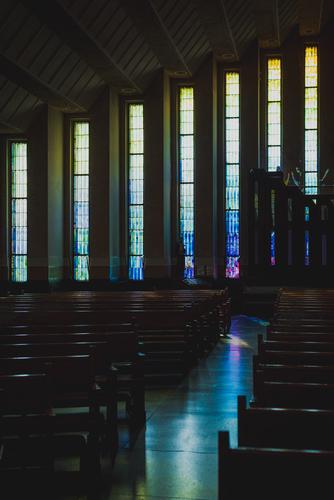
Inside, the main hall seats 1,200, with twelve simple mosaic scenes from Christ’s life lining the walls. Sunlight filters through tall, narrow stained-glass windows on the southern side, casting colourful patches across the otherwise bare white walls.
The church was empty and still, save for the wind nudging the heavy entrance door open and shut.
Kinsale
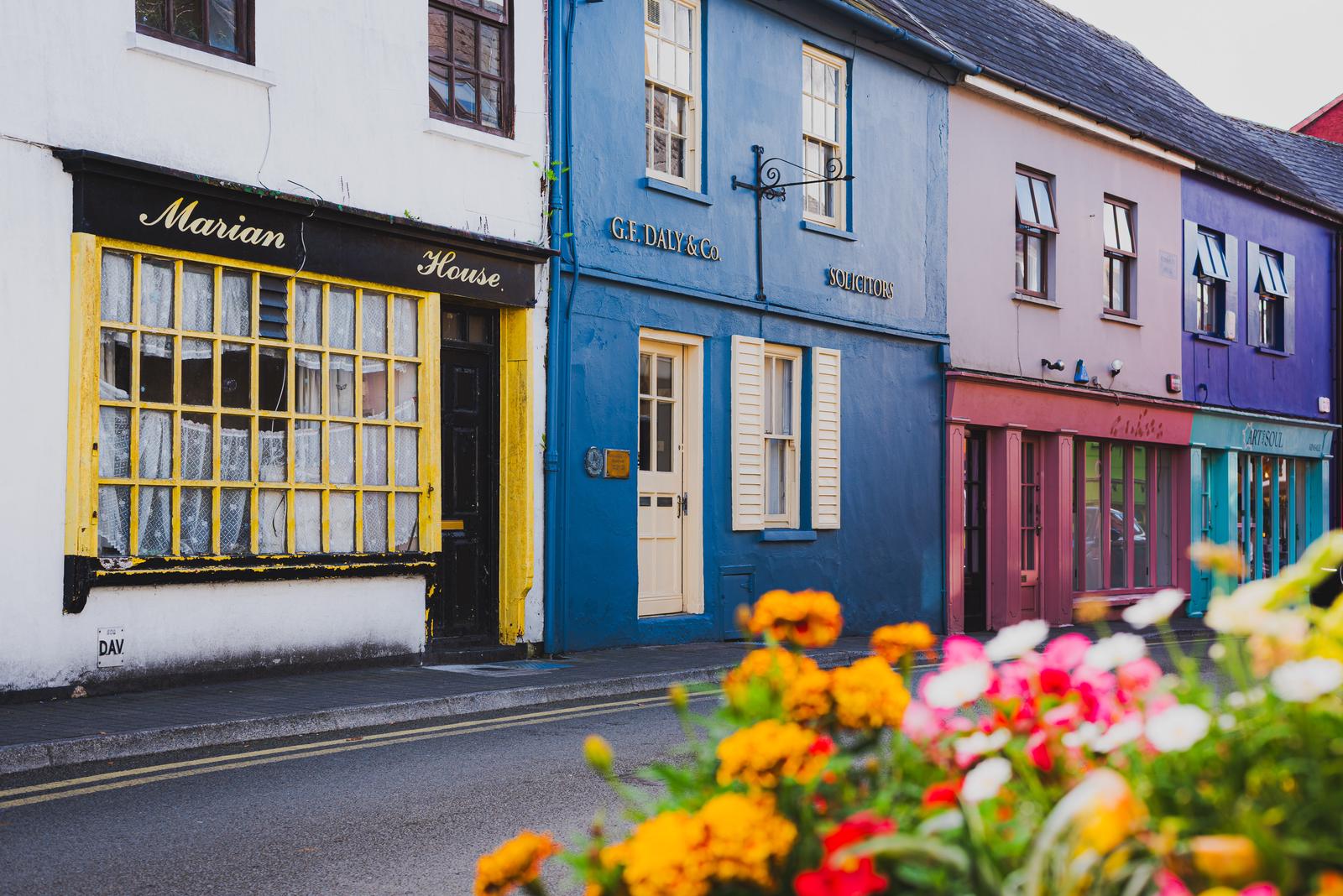
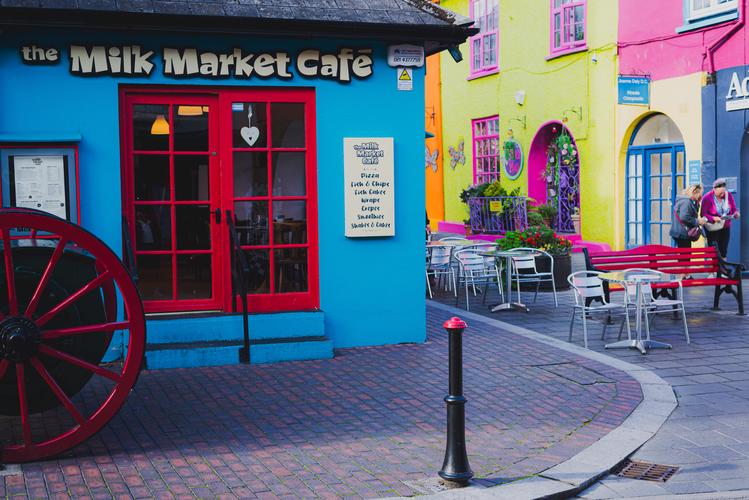
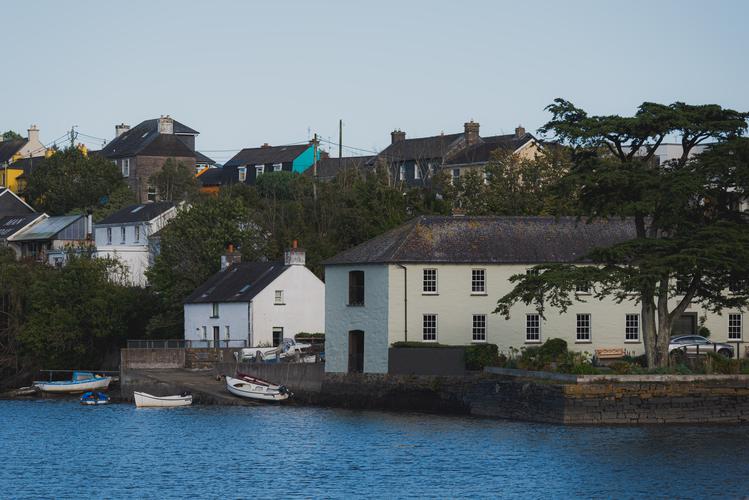
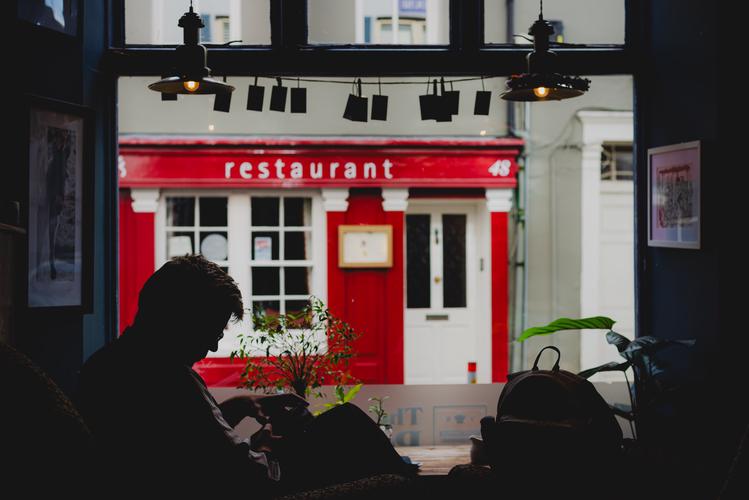
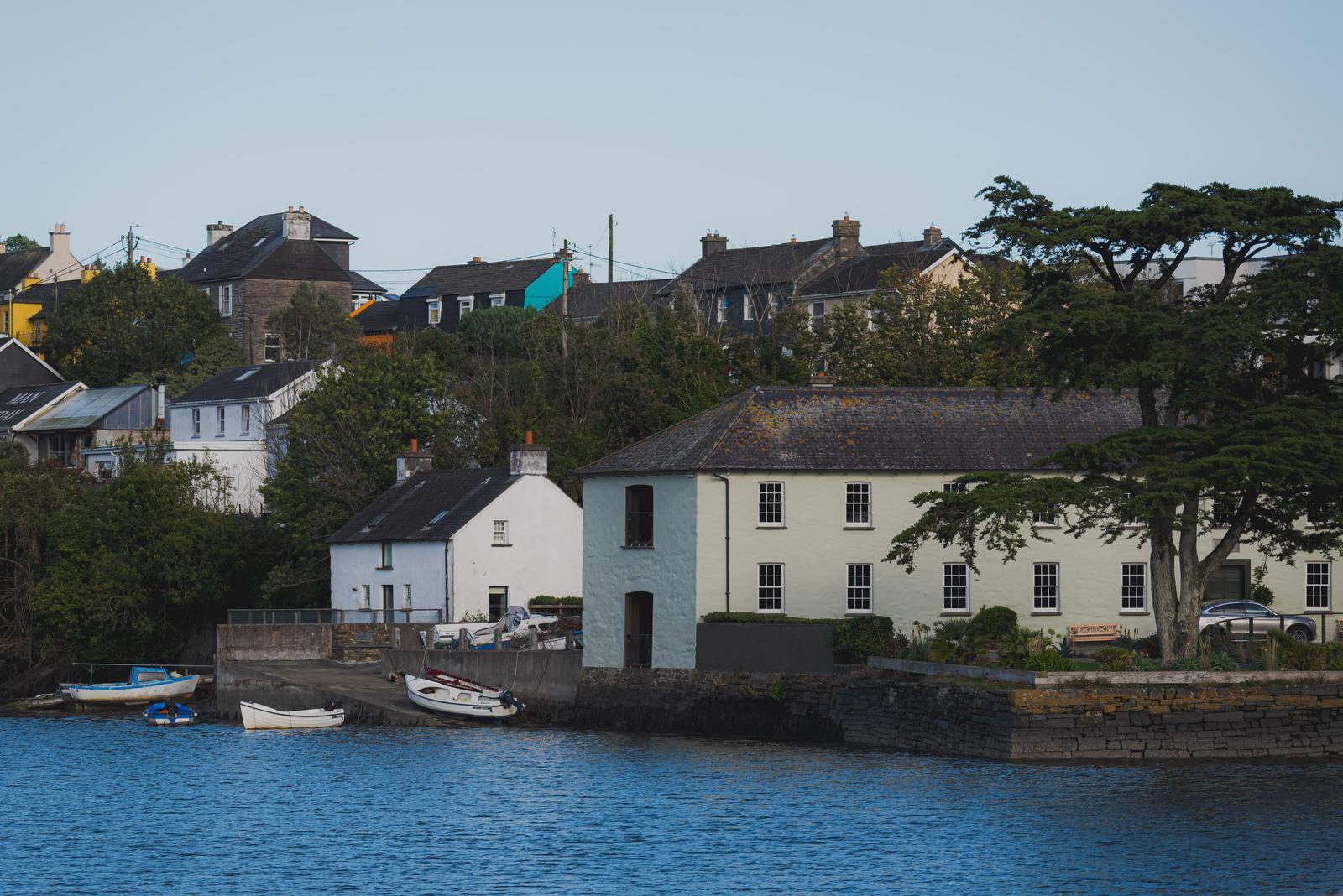
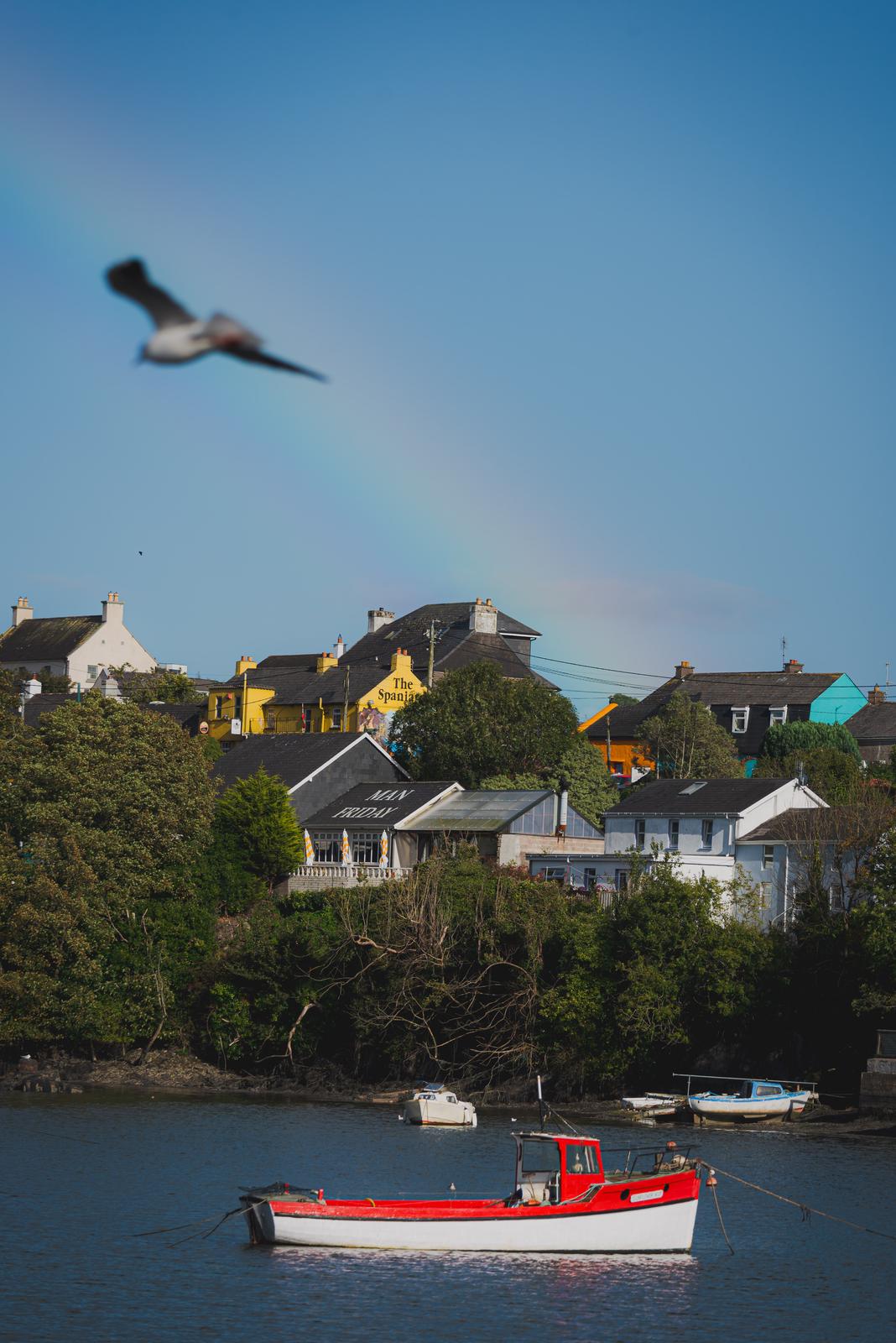
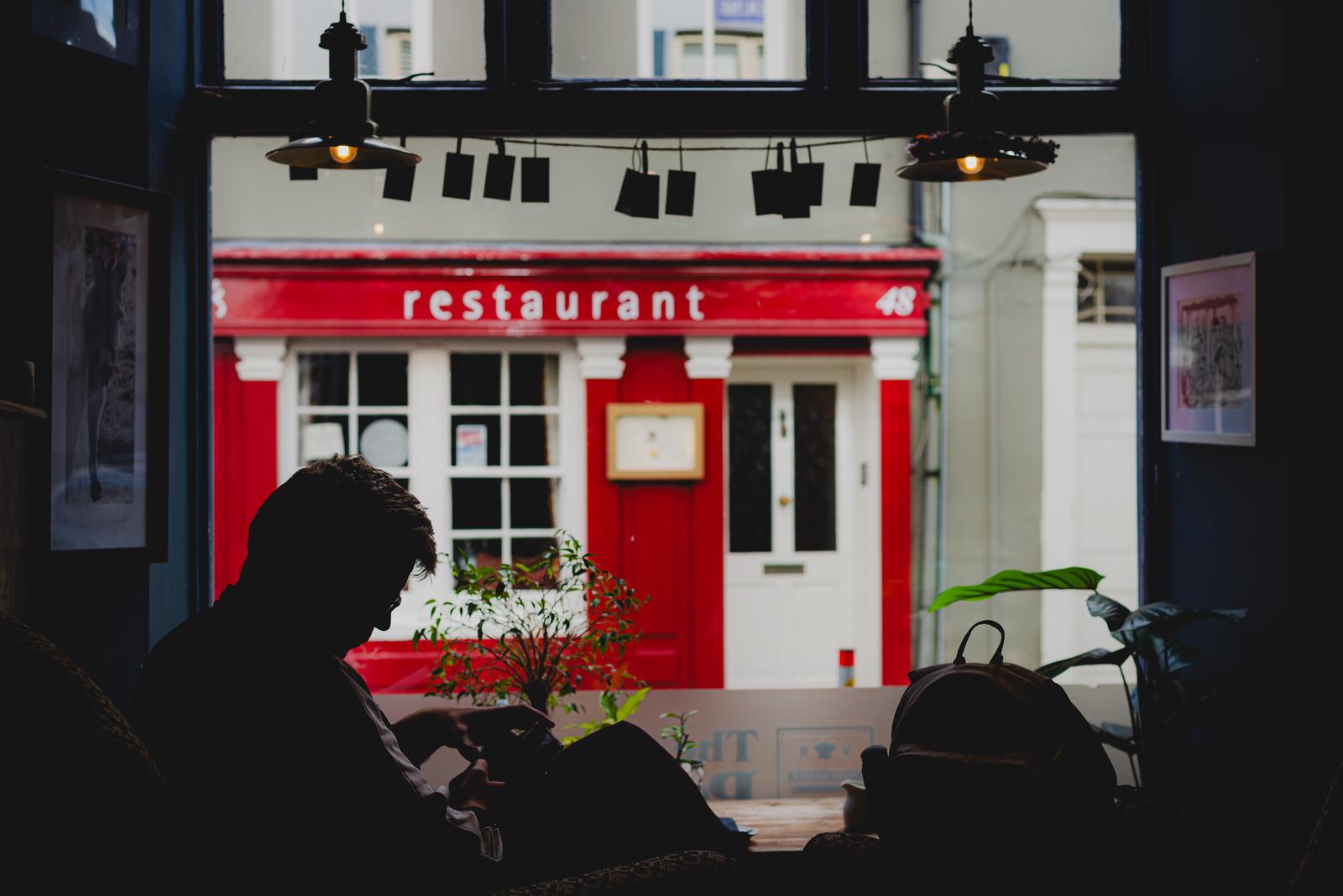
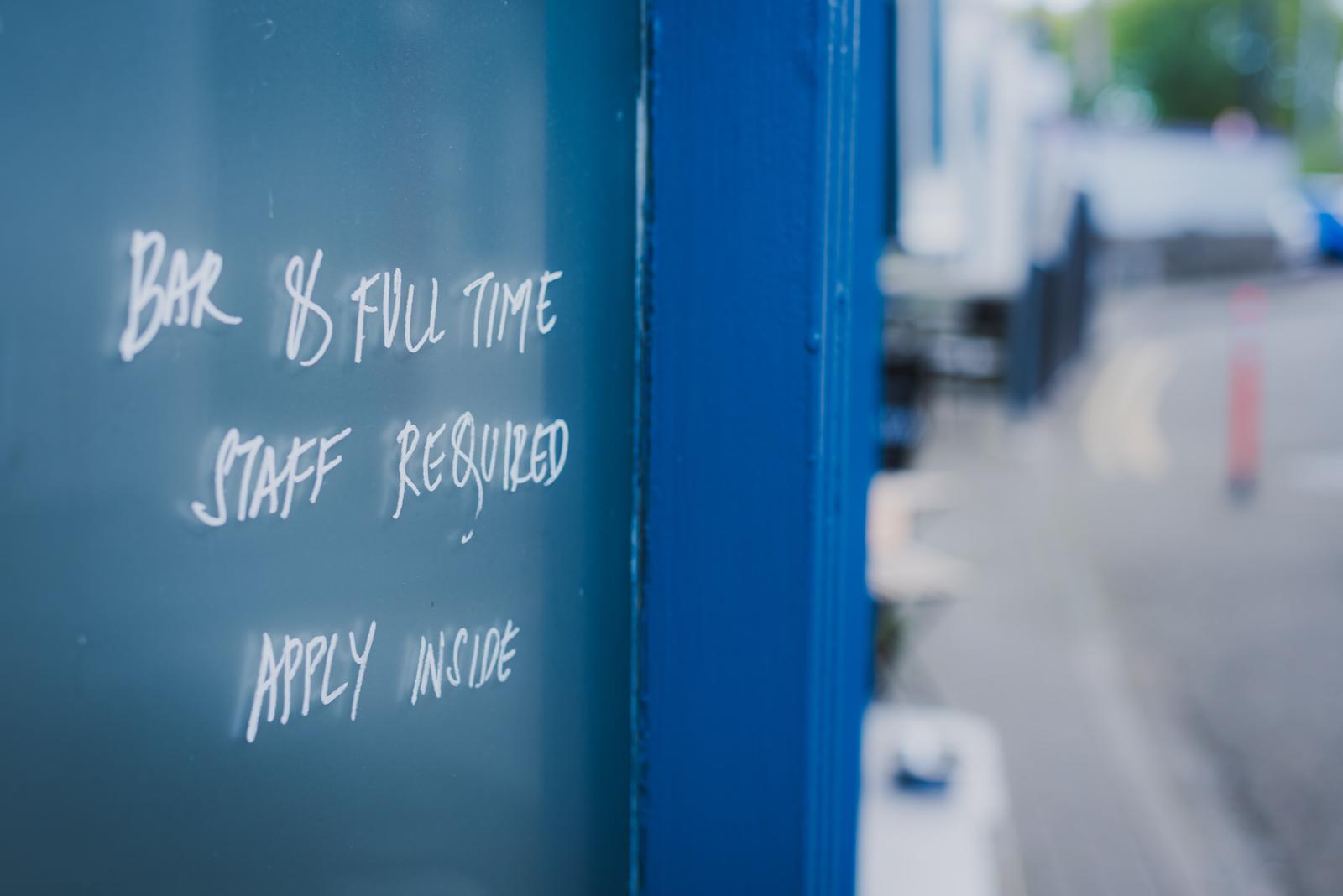
After Cork, both chronologically and geographically (if you’re heading west like we were), comes Kinsale – top of my personal list of Ireland’s most colourful towns. It has the feel of a Mediterranean village, albeit one with chilly winds and parking on the main square. Kinsale has all the trappings of a seaside resort: posh hotels and modest ones, Michelin-starred restaurants and humble cafés, souvenir shops both tacky and tasteful, artisan boutiques, and coffee shops, coffee shops, coffee shops.
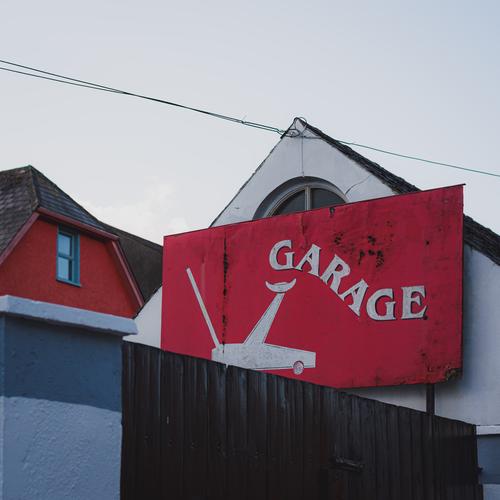
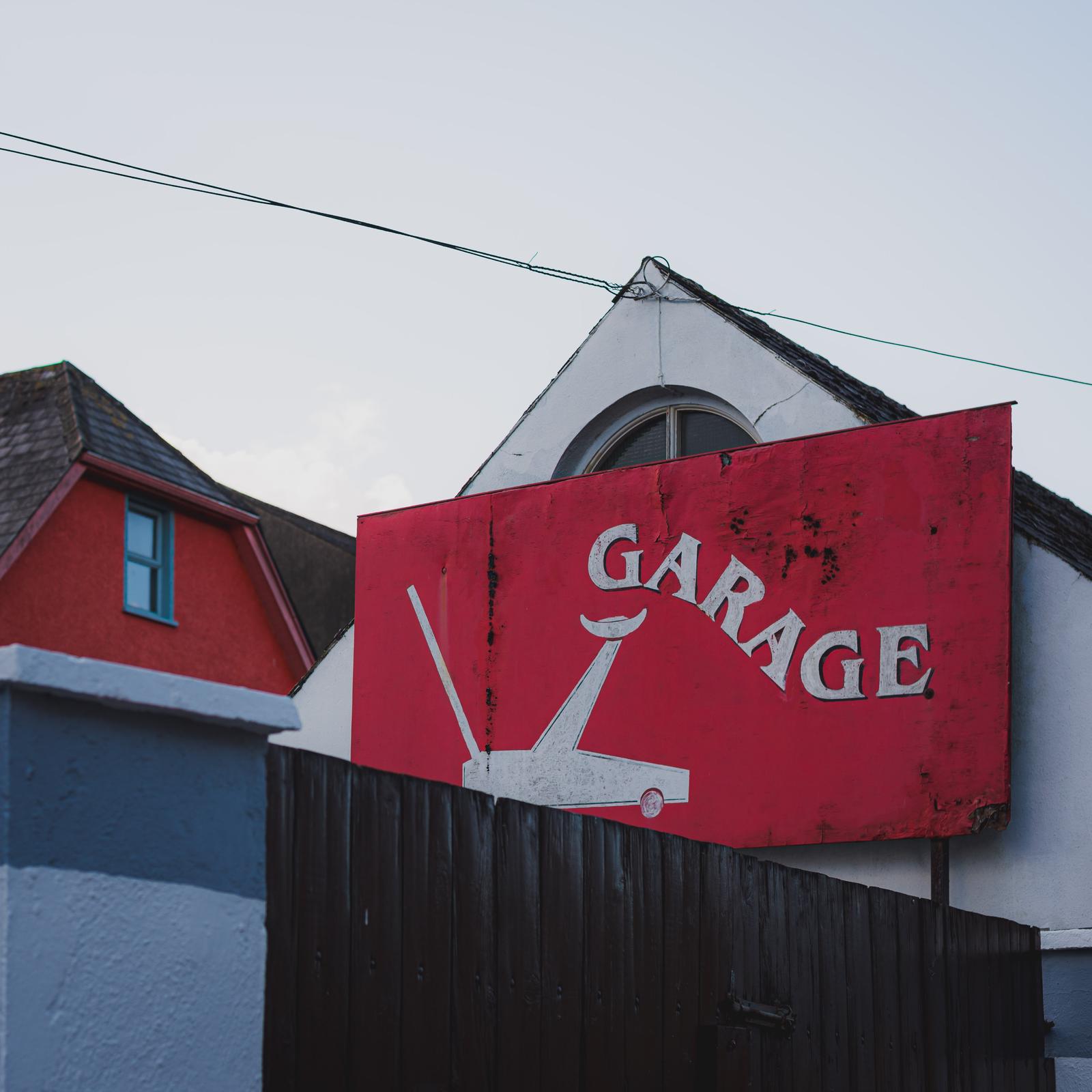
Garage for sale 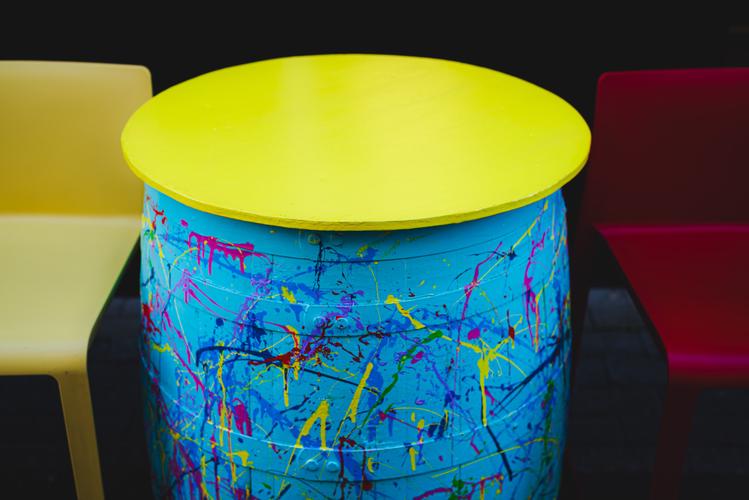
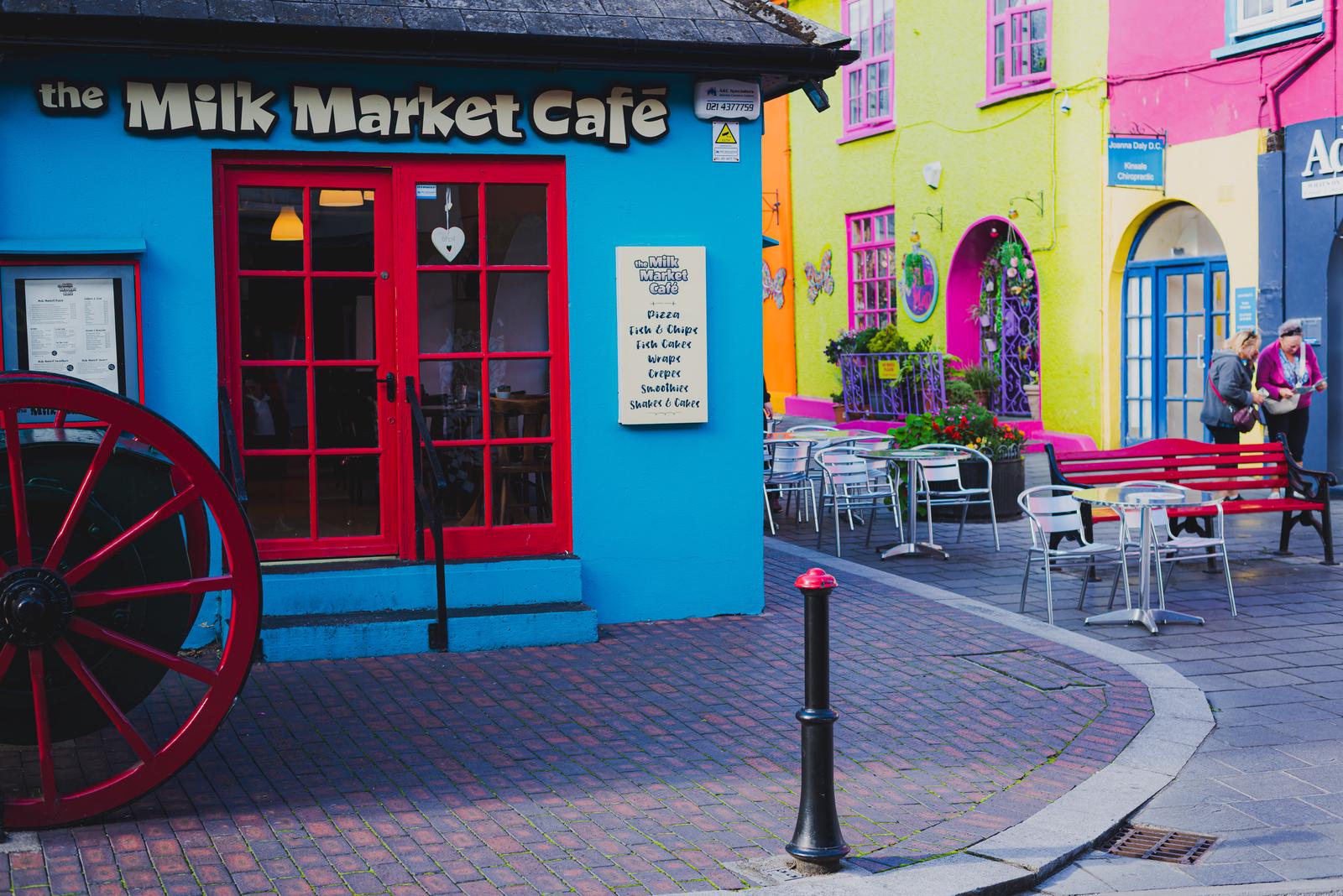
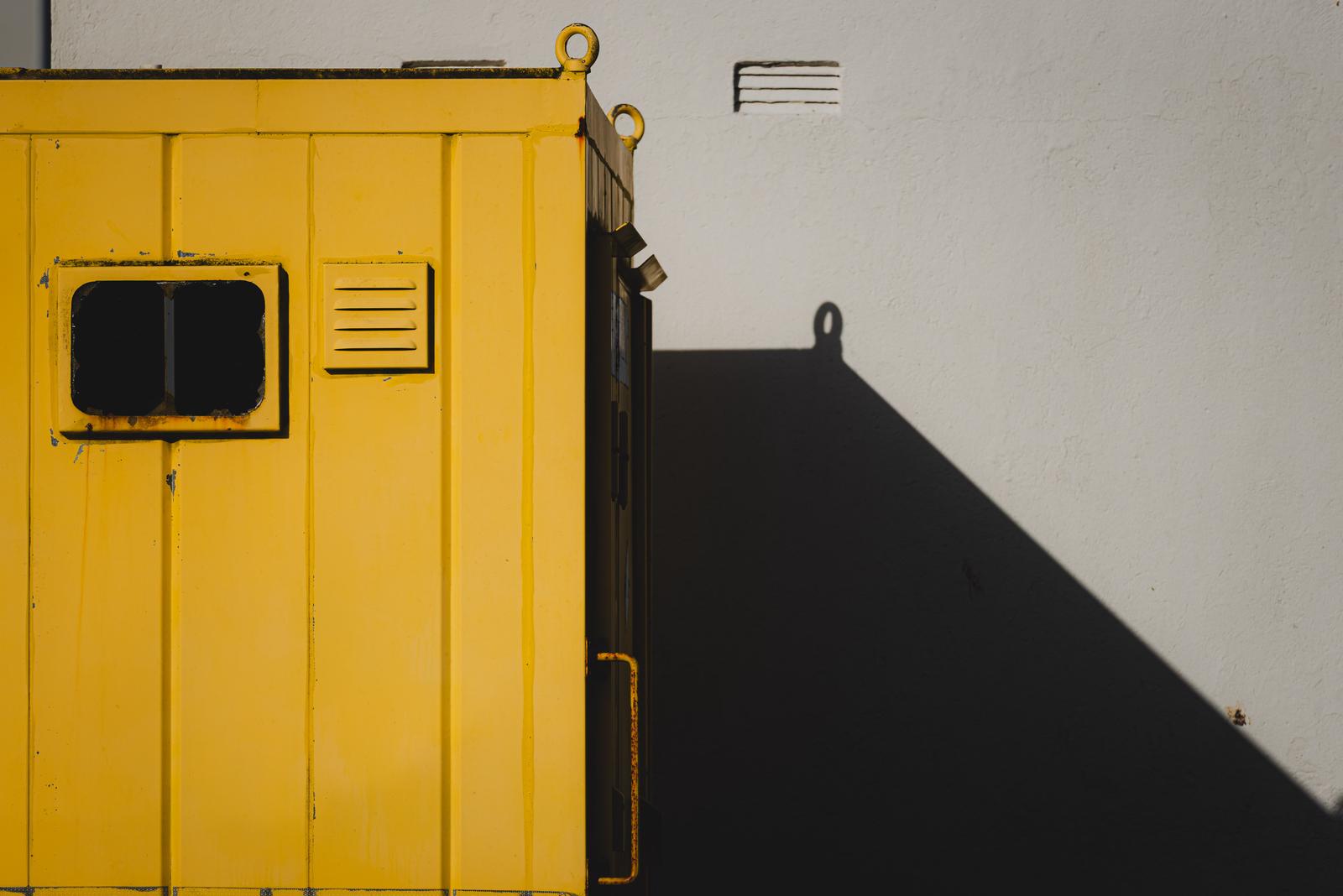
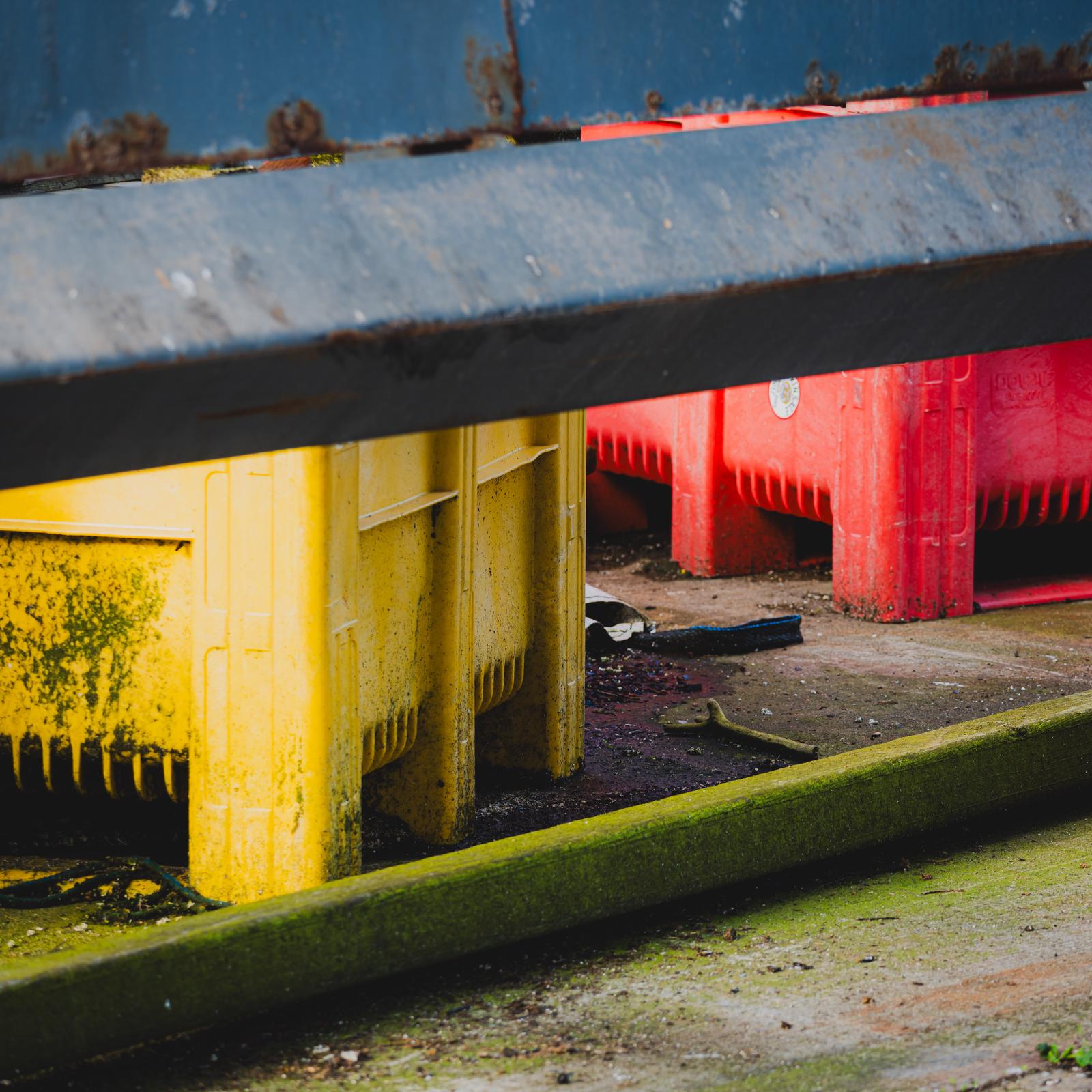
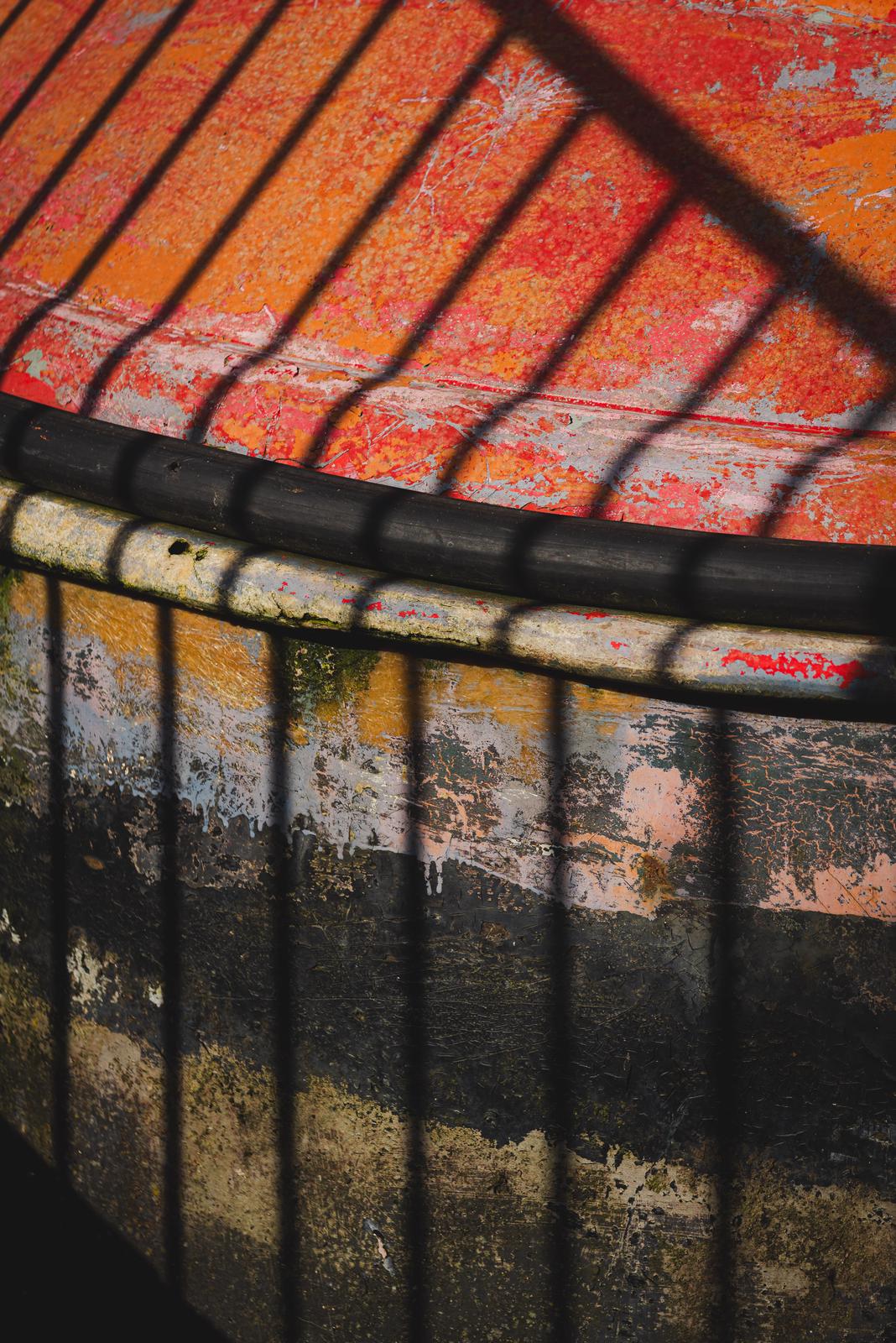
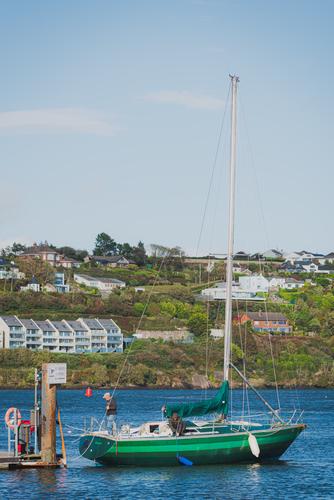
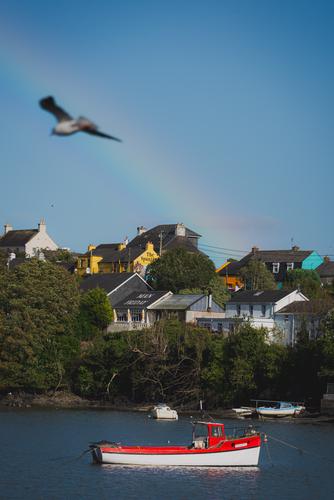
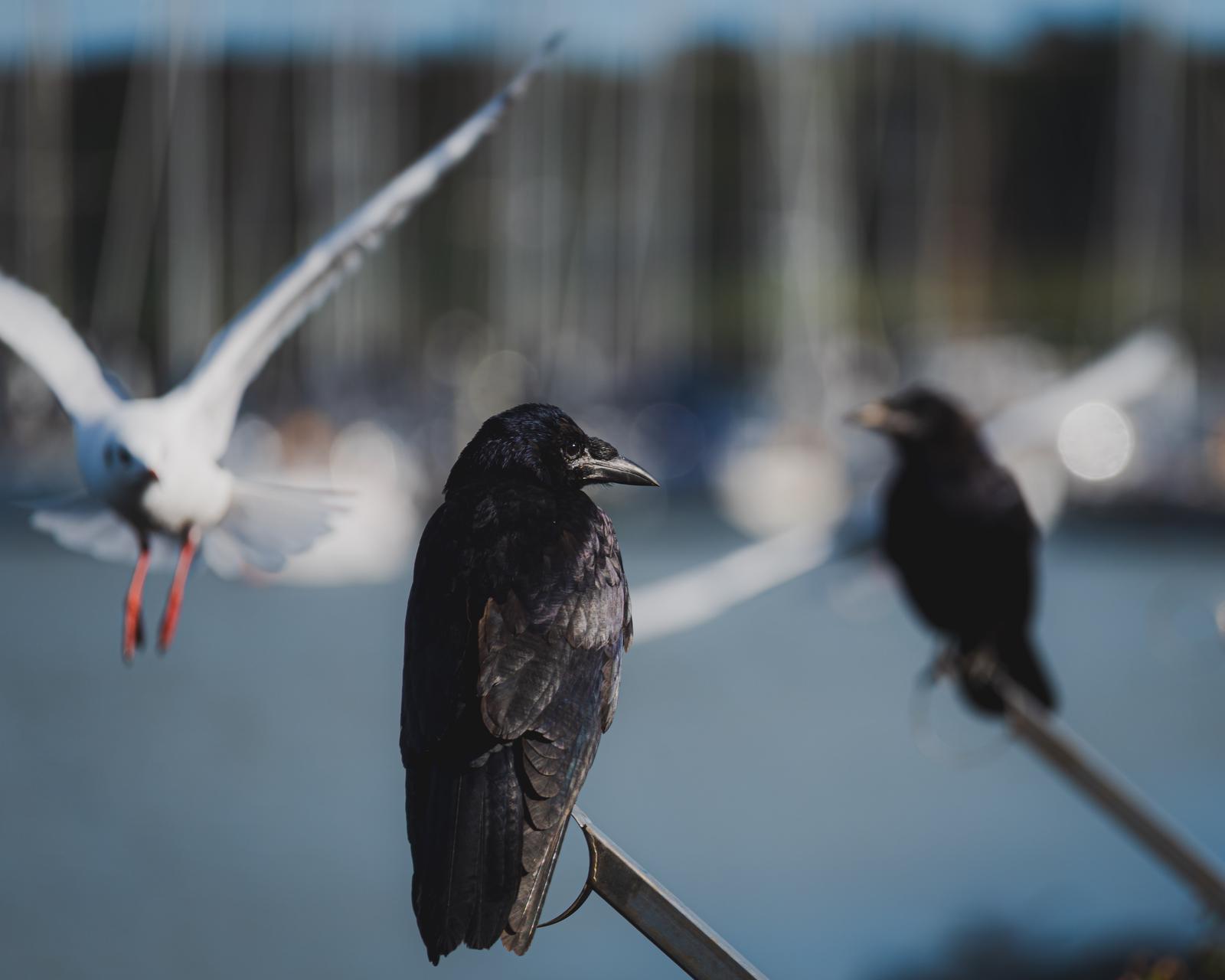
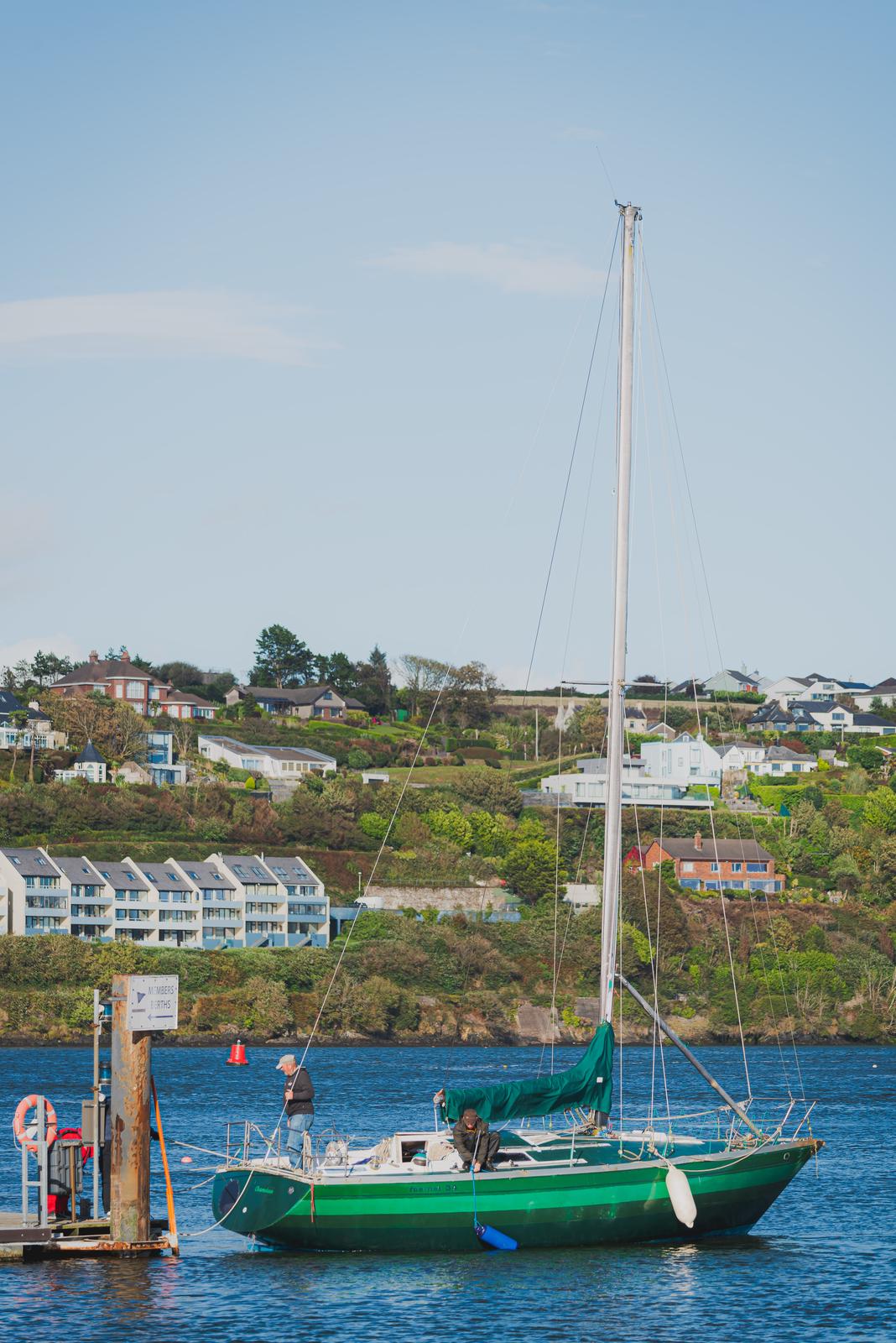
We were strolling along the waterfront, watching a territorial dispute between gulls and ravens, when a fire siren wailed in the distance. It gave a long cry, fell silent, then started up again. Around the corner came a Garda car, followed by a fire truck and a couple of fire service cars – all moving at a snail’s pace, no more than five kilometres an hour. A silver-haired man, seemingly en route to his yacht, paused beside us, took in the scene, and quietly remarked, “Doesn’t look like an emergency.”
Behind the vehicles came a group of cyclists, all wearing identical black T-shirts with bold white letters: “FDNY” (Fire Department of New York). The yachtsman sighed – “Yanks. That explains it,” wished us a good day, and wandered off toward the marina.
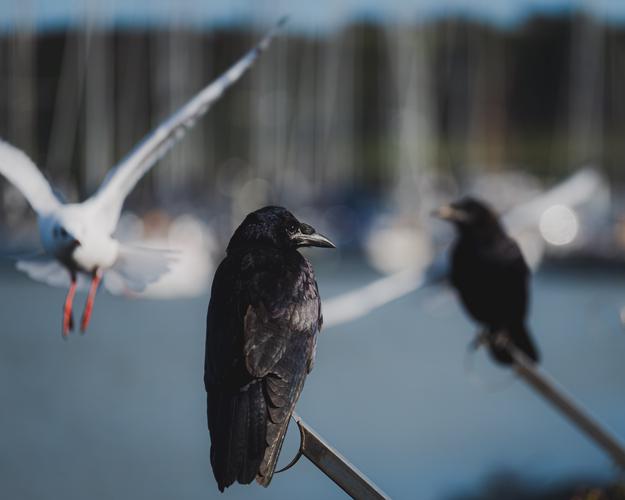
Feathered feud 
Skibbereen
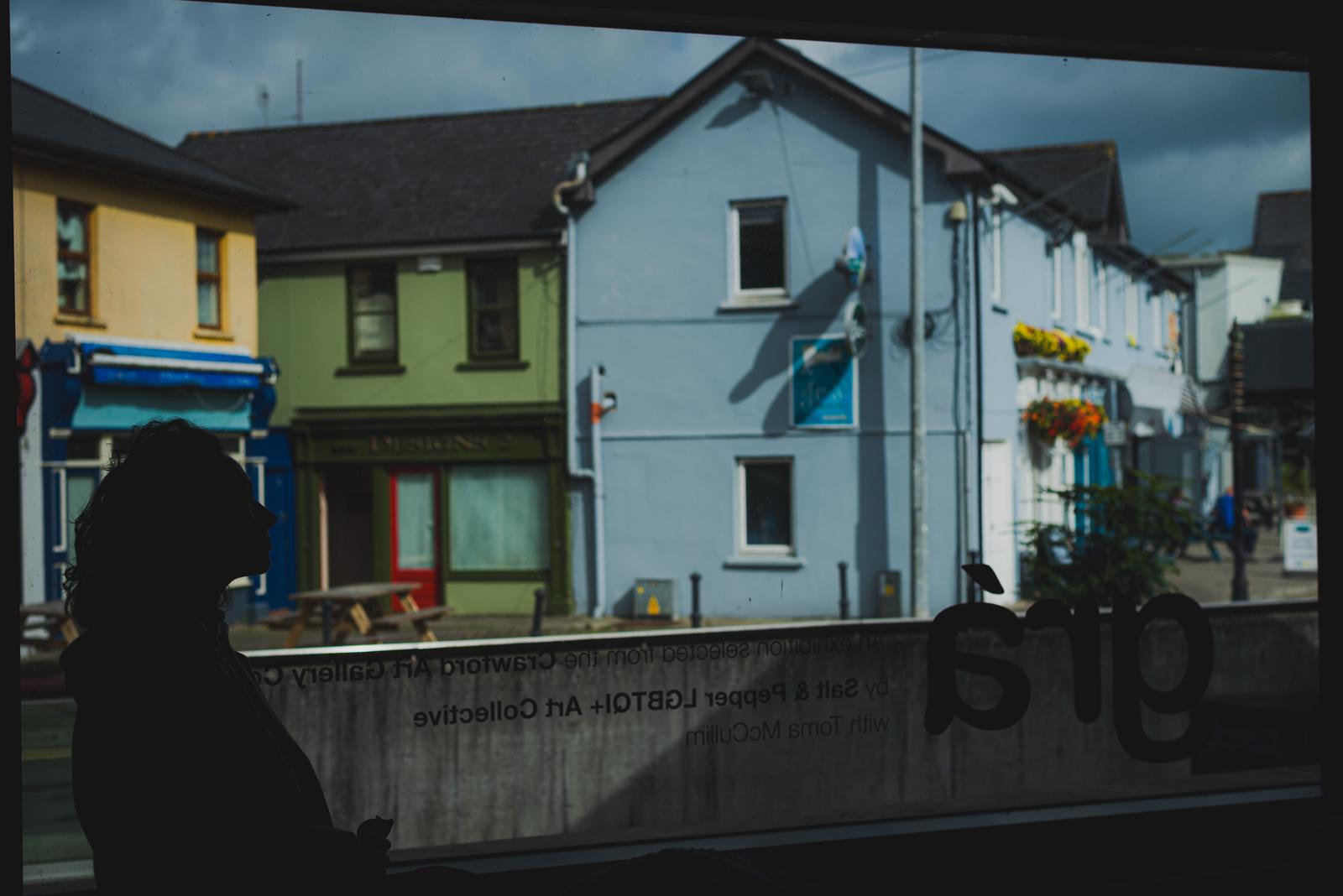
The unofficial “capital” of far West Cork is Skibbereen. With a population just over three and a half thousand, the town punches well above its weight in events—festivals, exhibitions, concerts, and more. Right in the centre stands the ultra-modern West Cork Arts Centre, all concrete, glass, and steel.
ℹ️ Note
A brief digression is in order to explain how this remote corner of Ireland—by Irish standards, a proper backwater – came to host such a vibrant cultural life.
In the 1970s and ’80s, the first wave of “hippies” arrived, seeking freedom from capitalism, consumerism, and rigid social norms. Artists, philosophers, musicians, and spiritual seekers were drawn by the chance to live outside the global system—building homes by hand, growing their own food, and forming communities rooted in mutual aid and creative ideals. Ireland at the time was a poor, agrarian country, and West Cork one of its poorest and most isolated regions. But it offered English, a clear legal framework, and openness to the world. Cheap land, rugged beauty, ancient Celtic tradition, and the New Age spirit brought by these “blow-in” created a cultural microclimate whose fruits are still visible today.
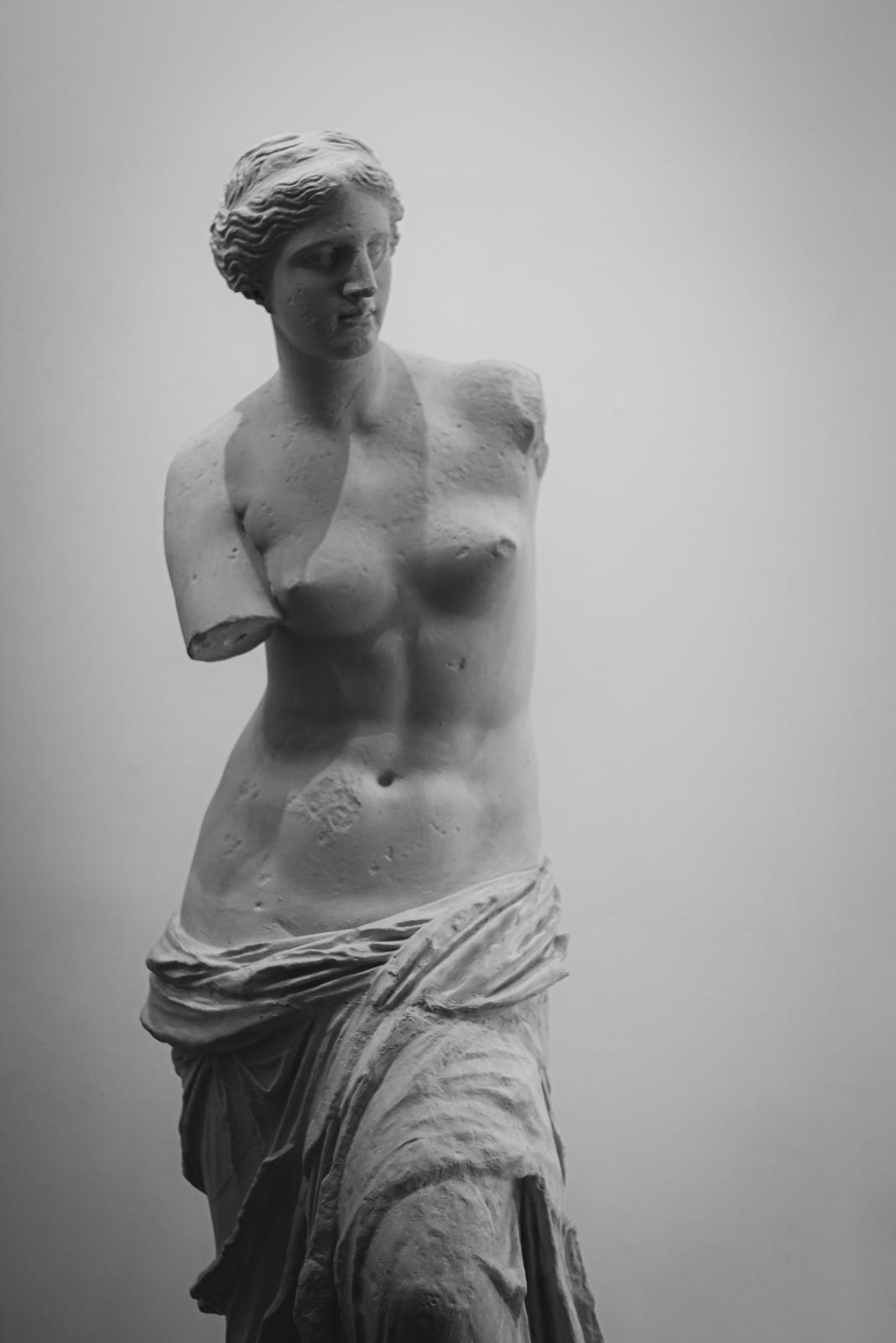
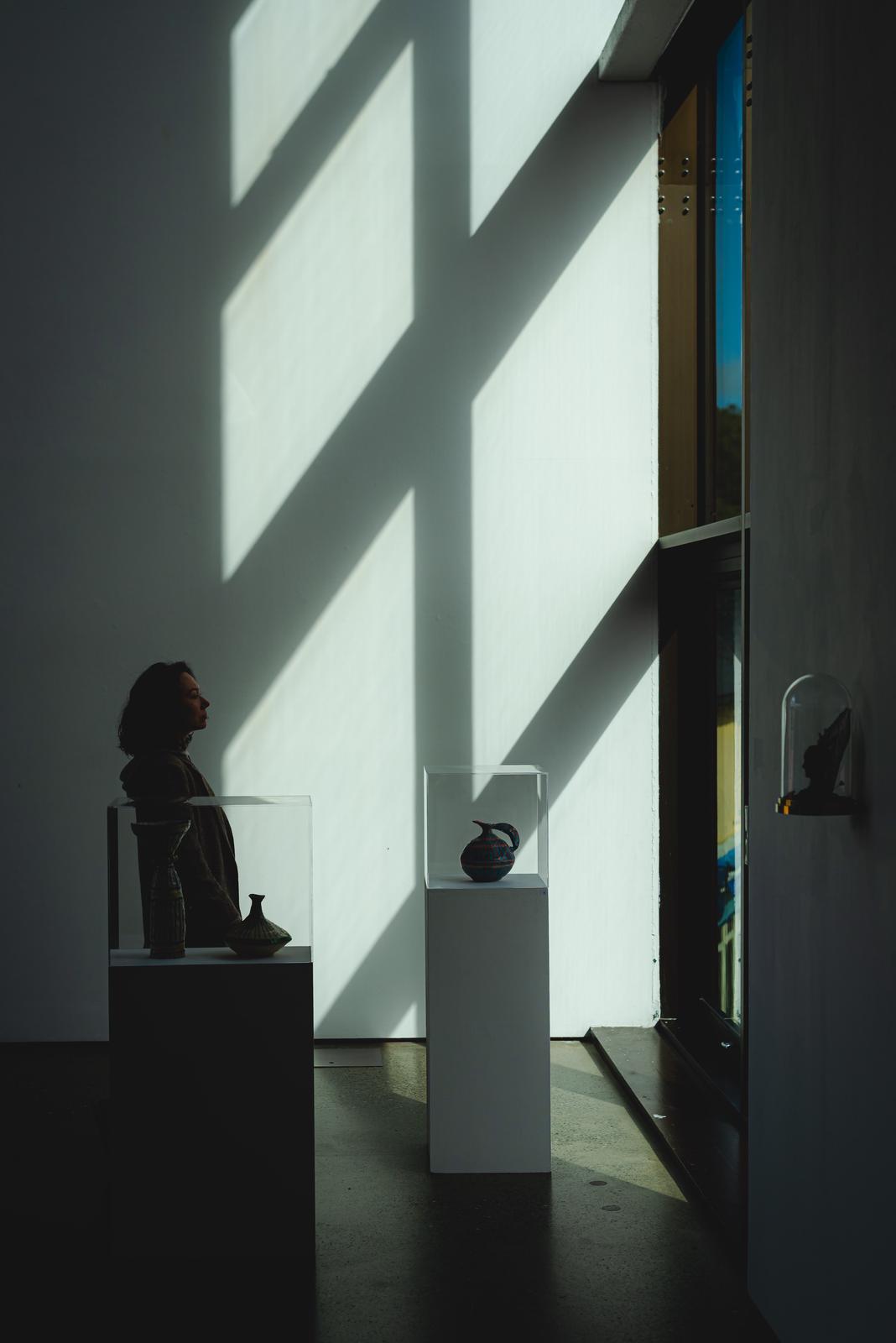
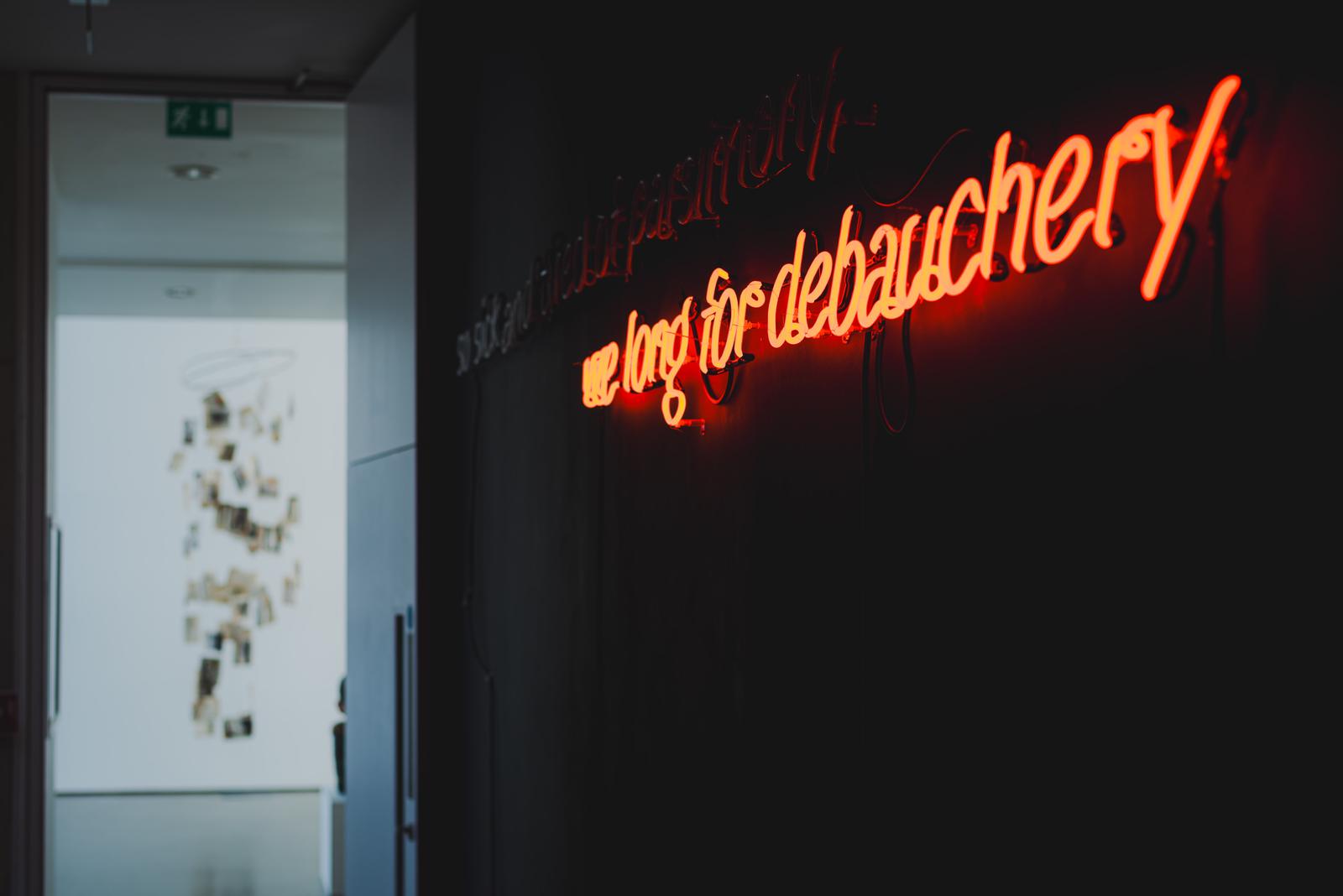
Fittingly, the exhibition space was showing works selected by the Salt & Pepper LGBTQI+ Art Collective from the temporarily closed Crawford Gallery in Cork.
Schull
Our attic-above-a-garage was tucked a couple of kilometres outside the village of Schull – (calling it a town or even a townlet feels a bit generous). We’d passed through before, about six months ago, but only stopped long enough for a coffee.
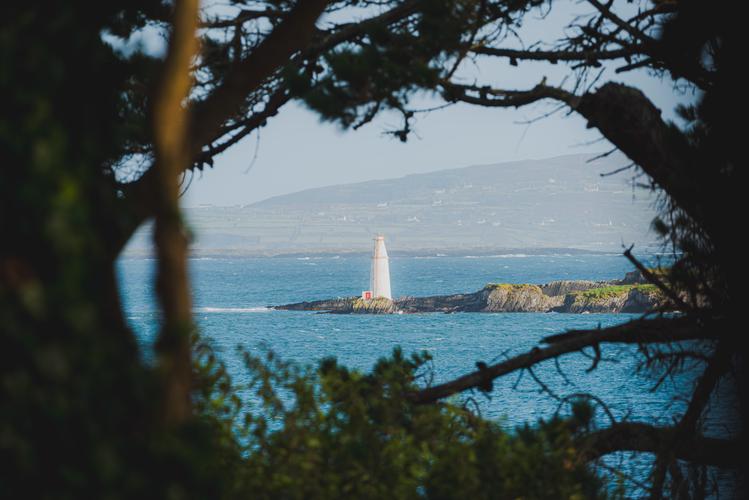
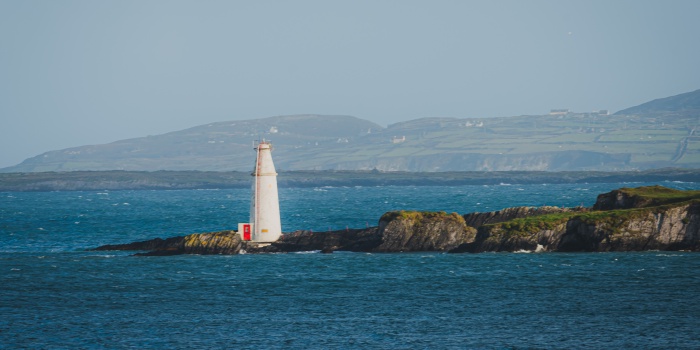
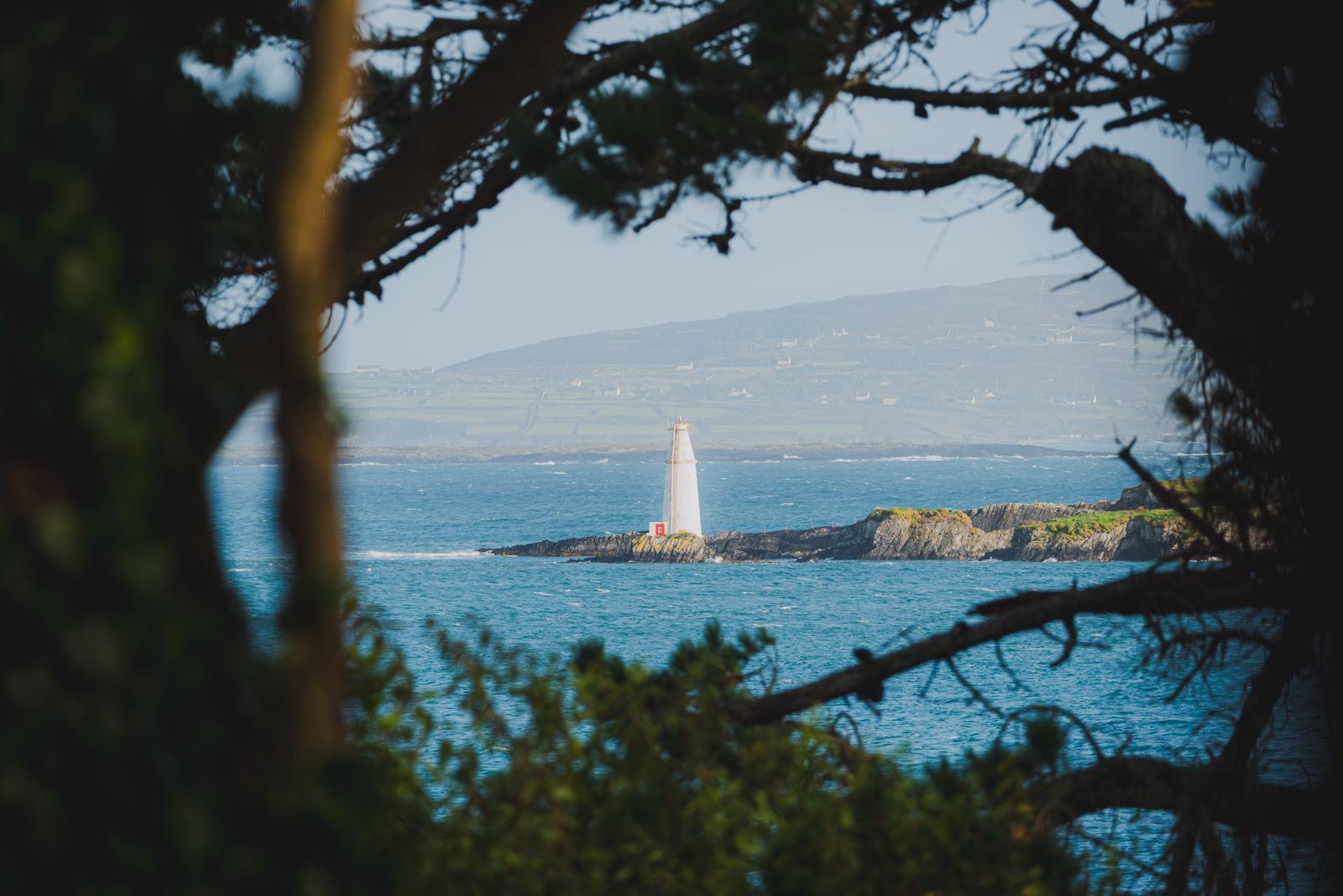
Copper Point Lighthouse 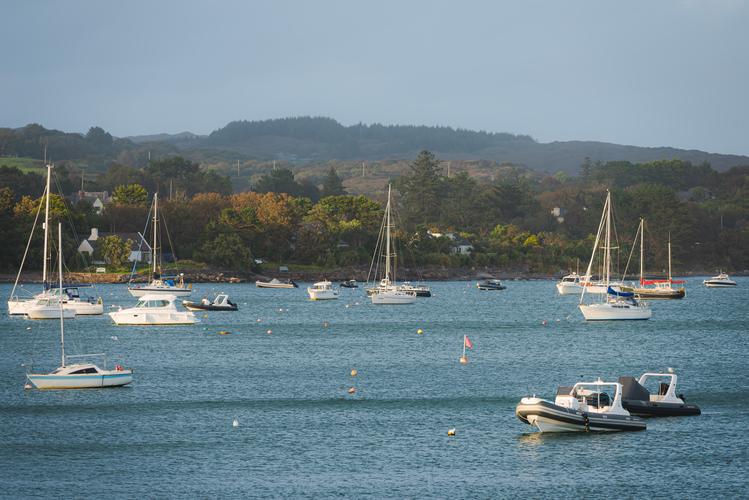
Schull Harbour 
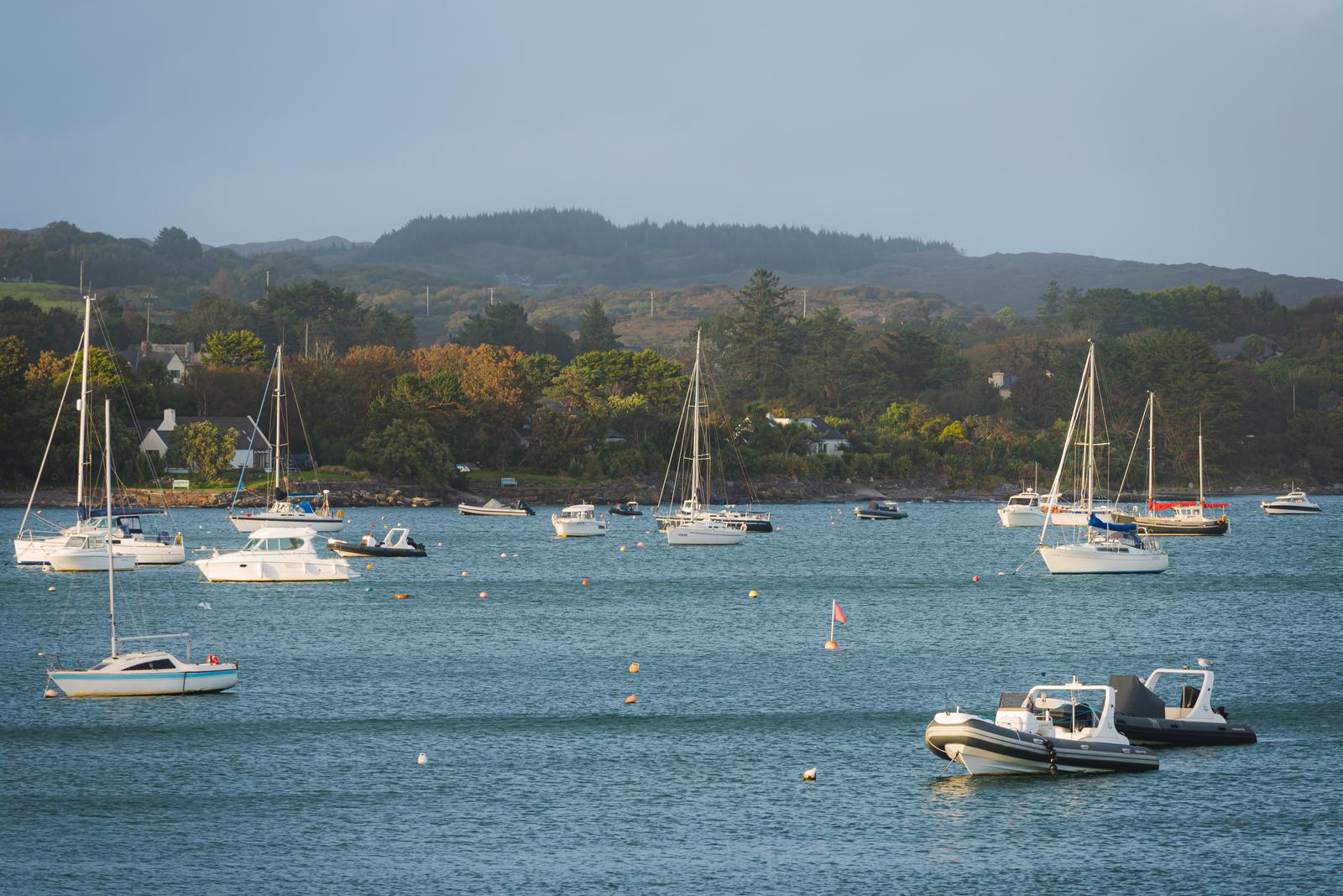
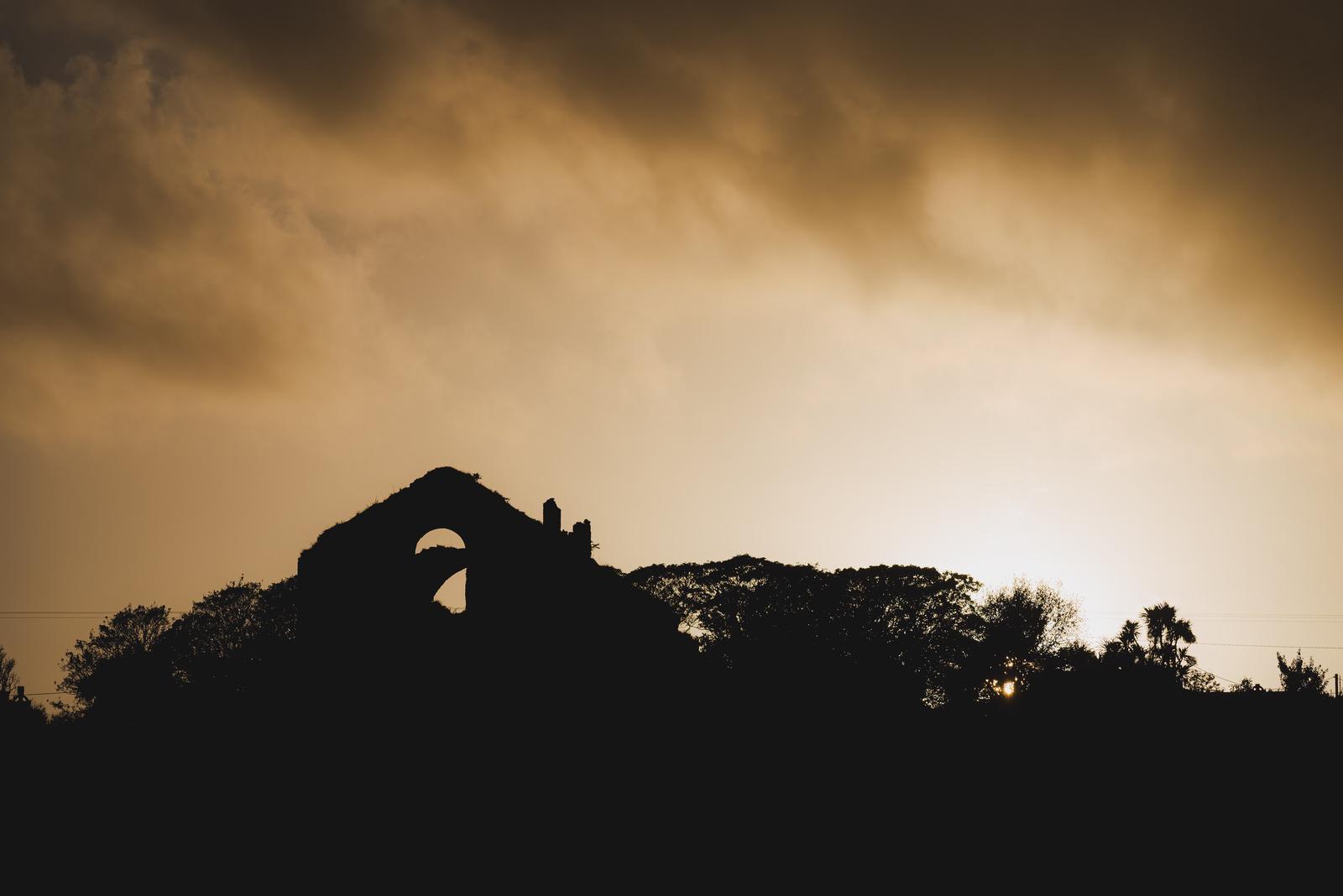
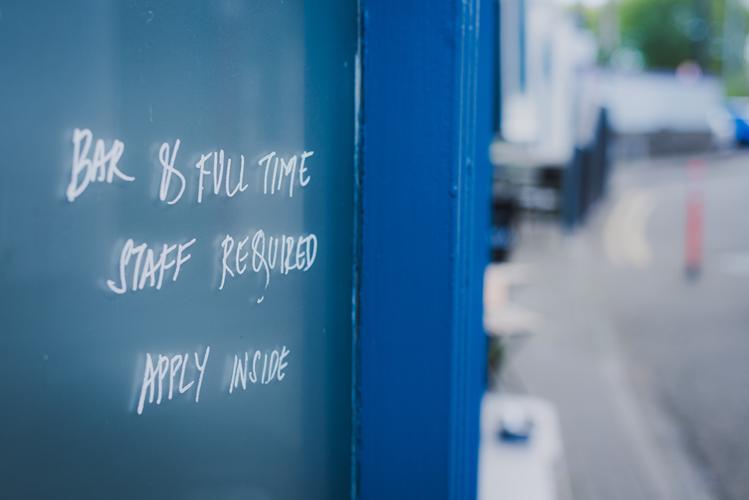
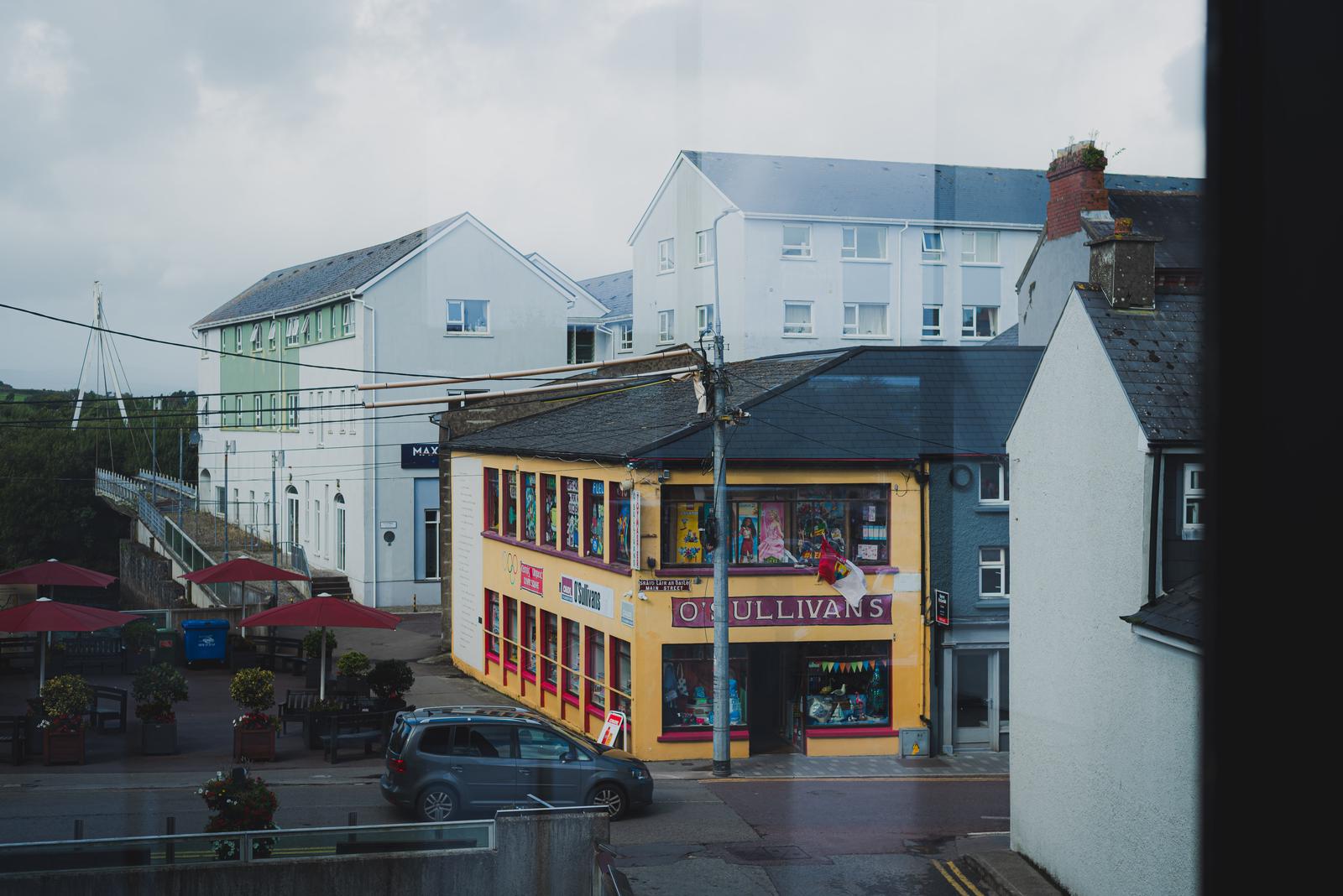
Schull’s very much alive – cafés and restaurants closing and reopening, old buildings slowly getting a facelift, with fresh coats of paint and snug new windows. It looked like a new café had popped up since our last visit, serving a fine spread of baked goods. On our way back to the car, a sudden shower caught us off guard, and we ducked into a little antique-charity shop.
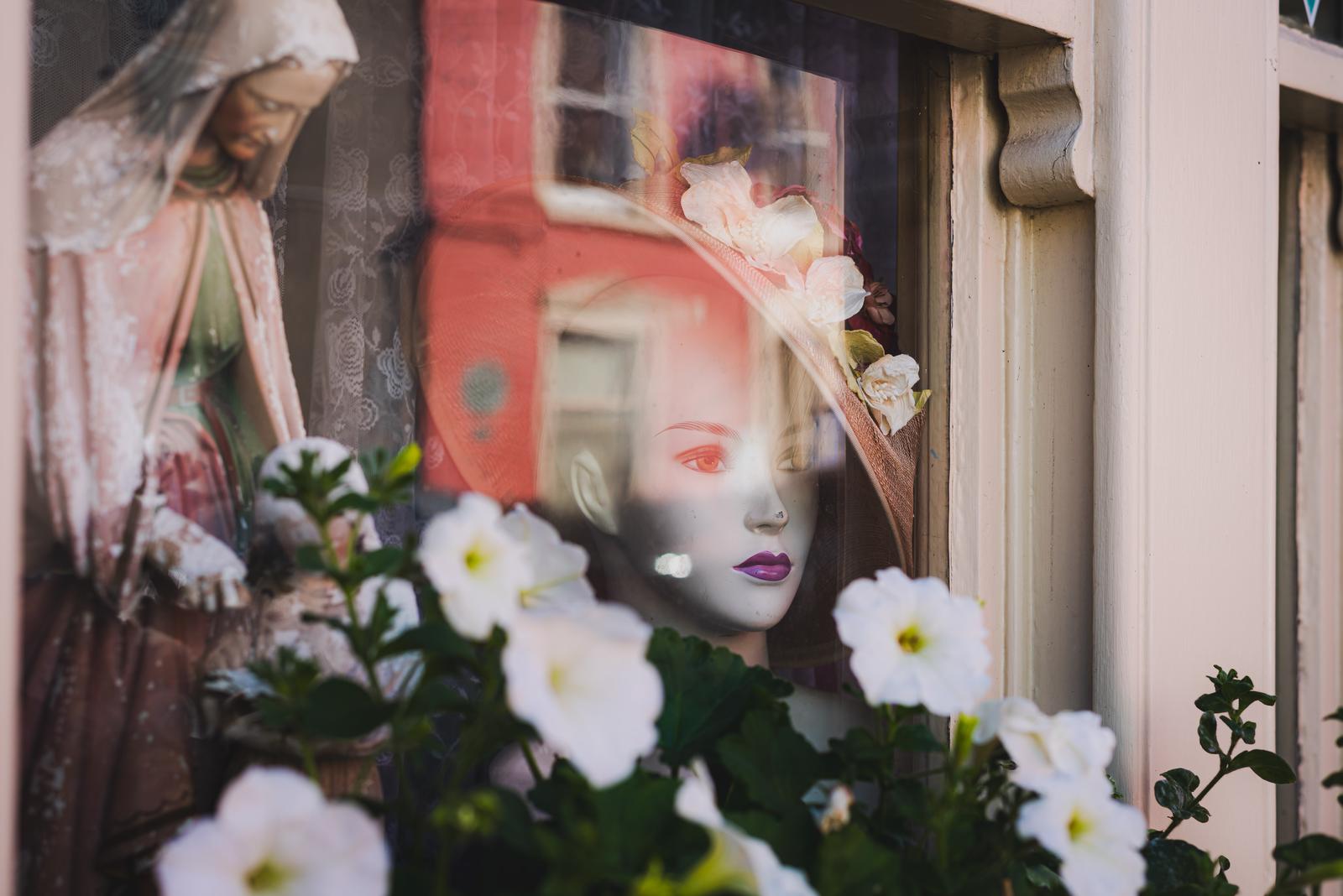
Natalia made a beeline for the back room to explore the vintage clothing, while I lingered in the front, eyeing the bookshelves. There was clearly some kind of system to the arrangement, but I couldn’t for the life of me find the fiction section—let alone sci-fi. I gave up and asked the shopkeeper for help. She laughed and said her husband, the book man, was in charge of the books—and she didn’t understand his system either.
Soon enough, the husband emerged from the depths of the shop and cheerfully explained: “These are the collectible editions – pricey ones. Over here, books about Ireland. That shelf’s children’s literature. And these ones…” He paused, sighed, and finished, “Everything else!”
I picked a book from the “everything else” shelf – Neal Stephenson’s Anathem – and we chatted a bit about the pros and cons of paper versus digital. By then, Natalia had returned from the vintage section with a prize: a wool blazer, “Made in Finland.”
As is often the case in places like this, they only took cash. While Natalia went out to the car to fetch some notes, the shopkeeper’s husband grew curious about my accent.
– I can’t quite place it… Dutch?
– Is it the orange jacket?
– Ha! No, but that would’ve made sense!
I gave him the short version of our emigration story, and asked in turn about his own accent – it didn’t sound Irish. English, perhaps? He turned out to be from York, up north, but after visiting Schull with his wife – who’s local – he decided to stay. Most migration between Ireland and Britain flows the other way, but there are always exceptions.
We said our goodbyes and headed off to Three Castles Head, which has its own entry in this blog (as it happens).
Heading Home
On the way back, the weather turned properly grim. A cyclone was chasing us in from the Atlantic, the sky thick with heavy grey clouds, and rain falling in big, spiteful drops. Our plans to swing by Cobh or Fota Wildlife Park were scrapped on the fly, and we rerouted straight for Dublin.
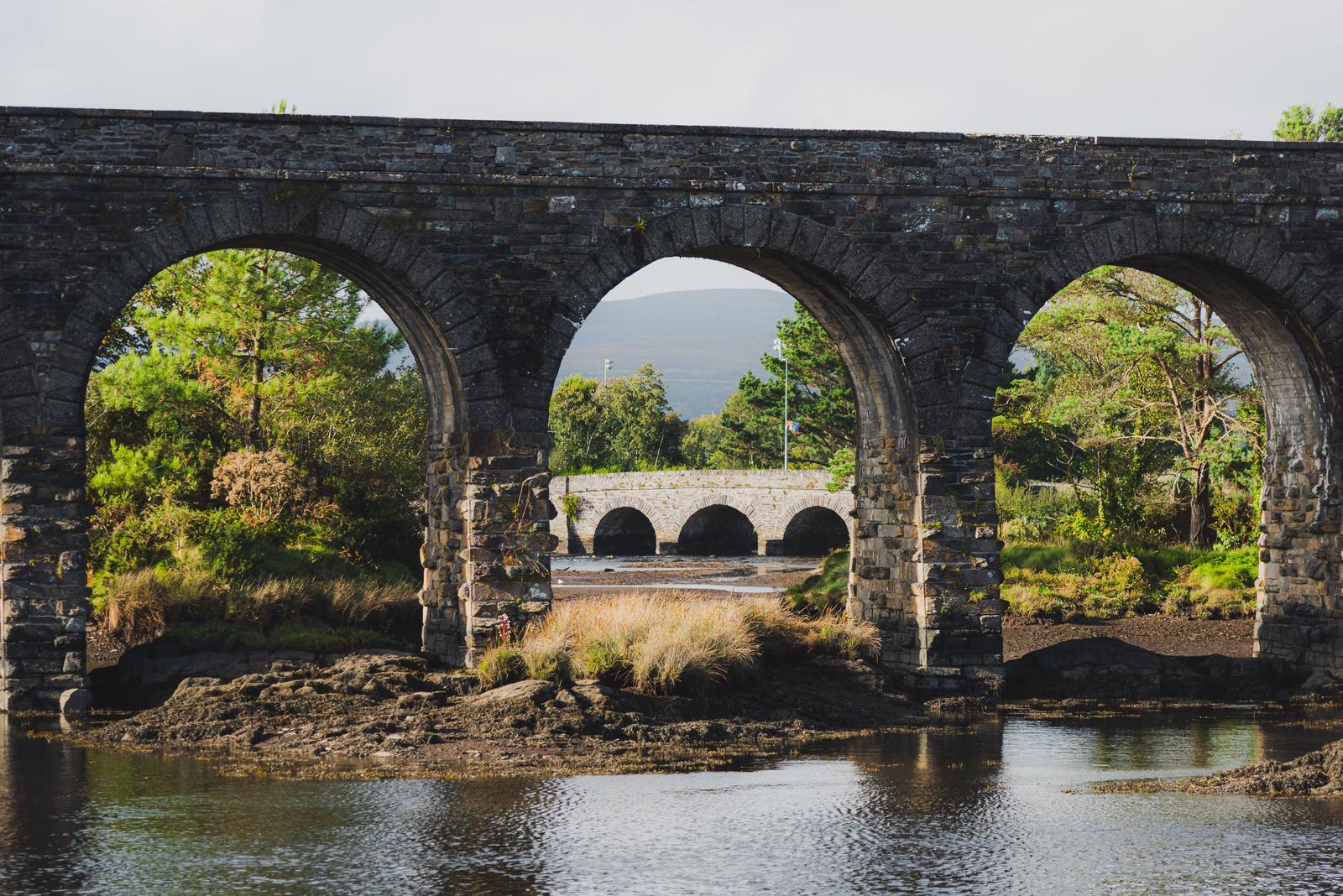
Ah well – we’ll be back again!